
Last updated November 14, 2026
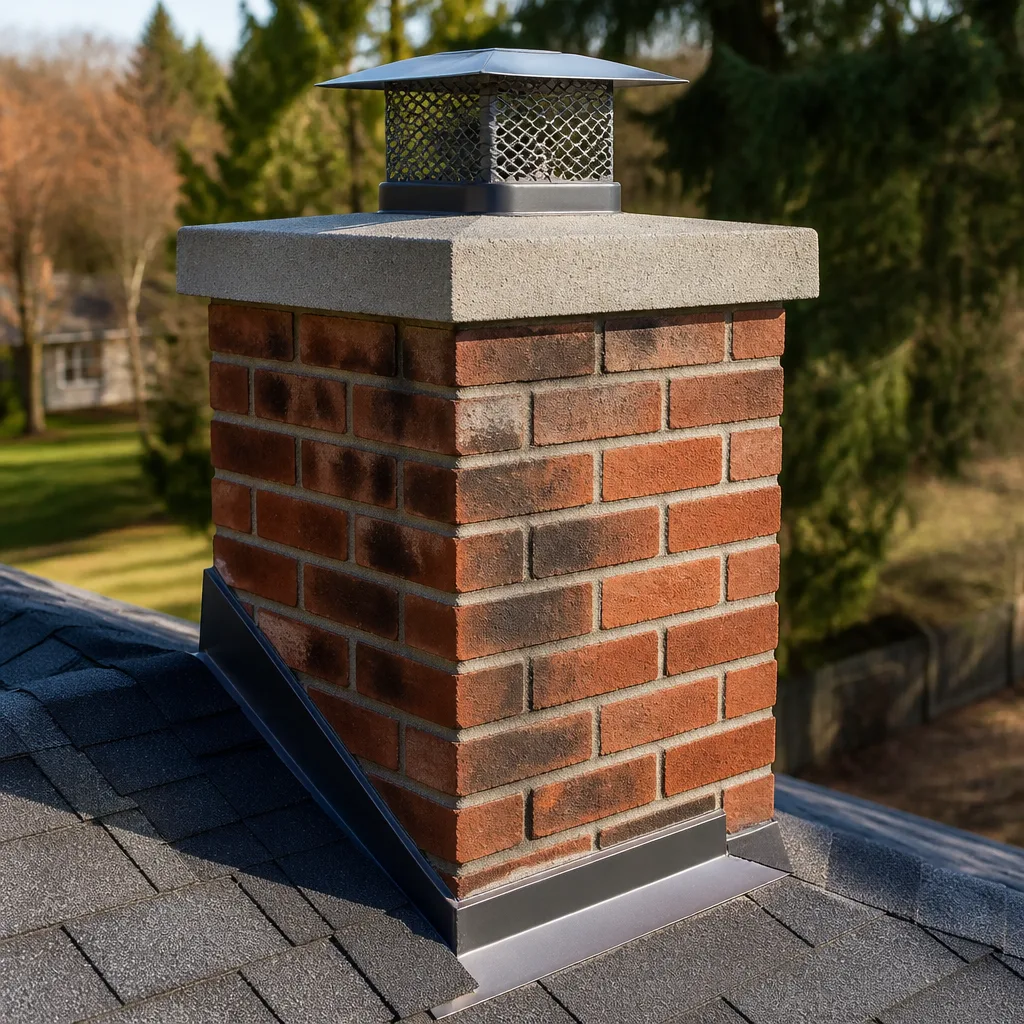 Sweep & inspection
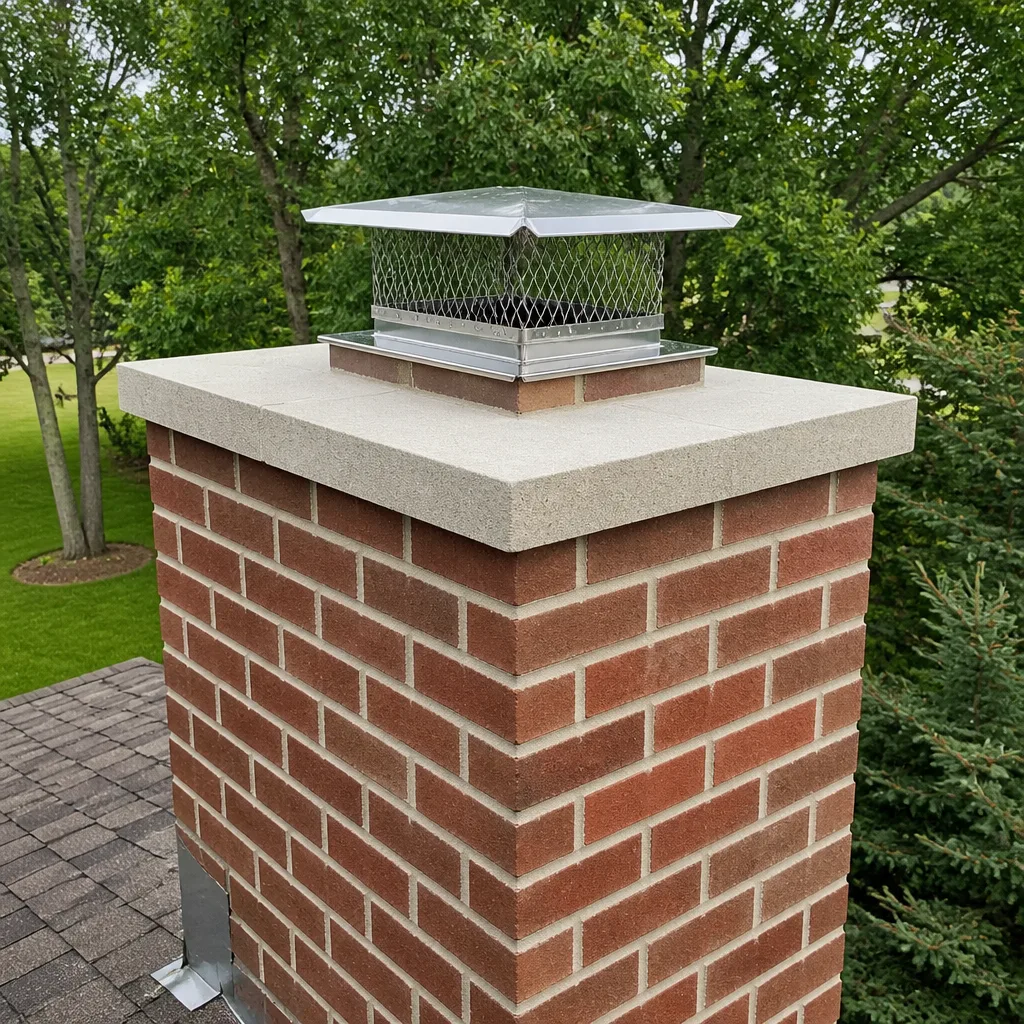 Caps & crowns
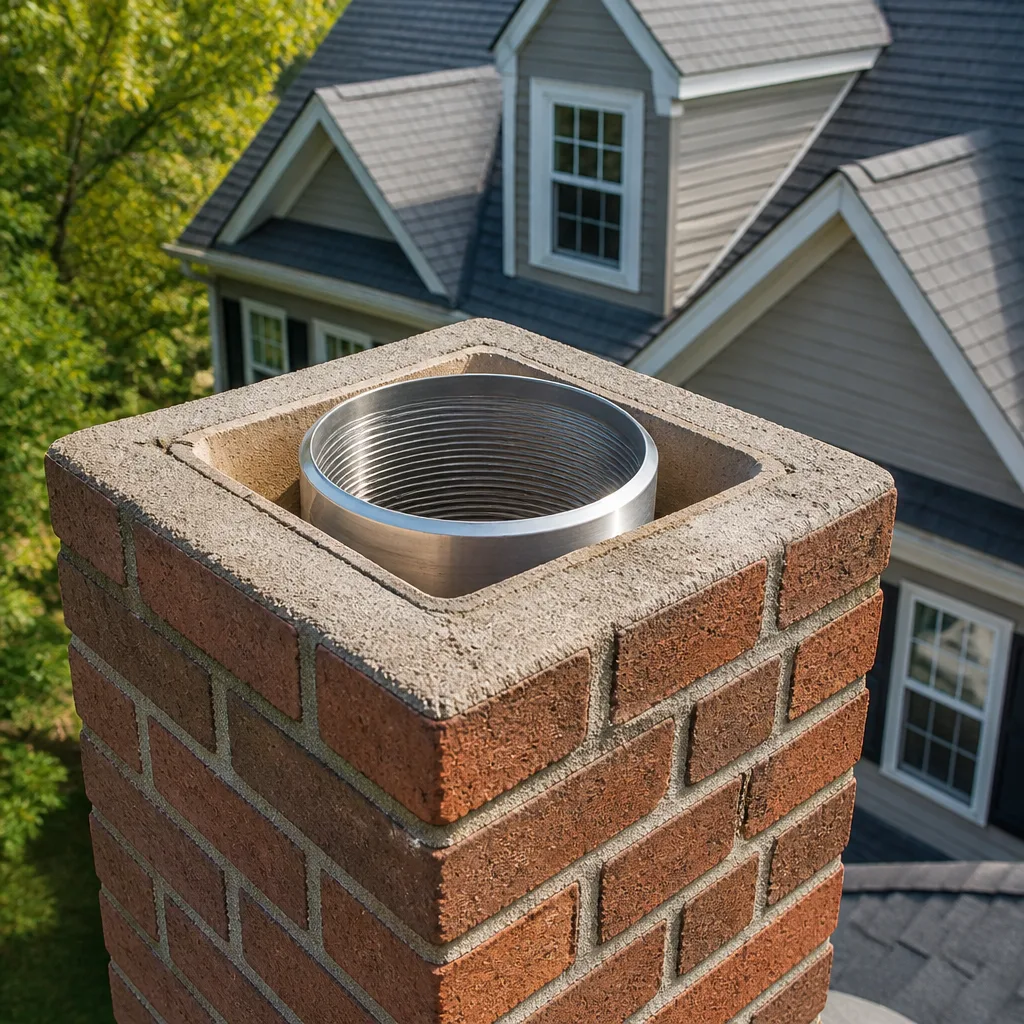 Flue relining
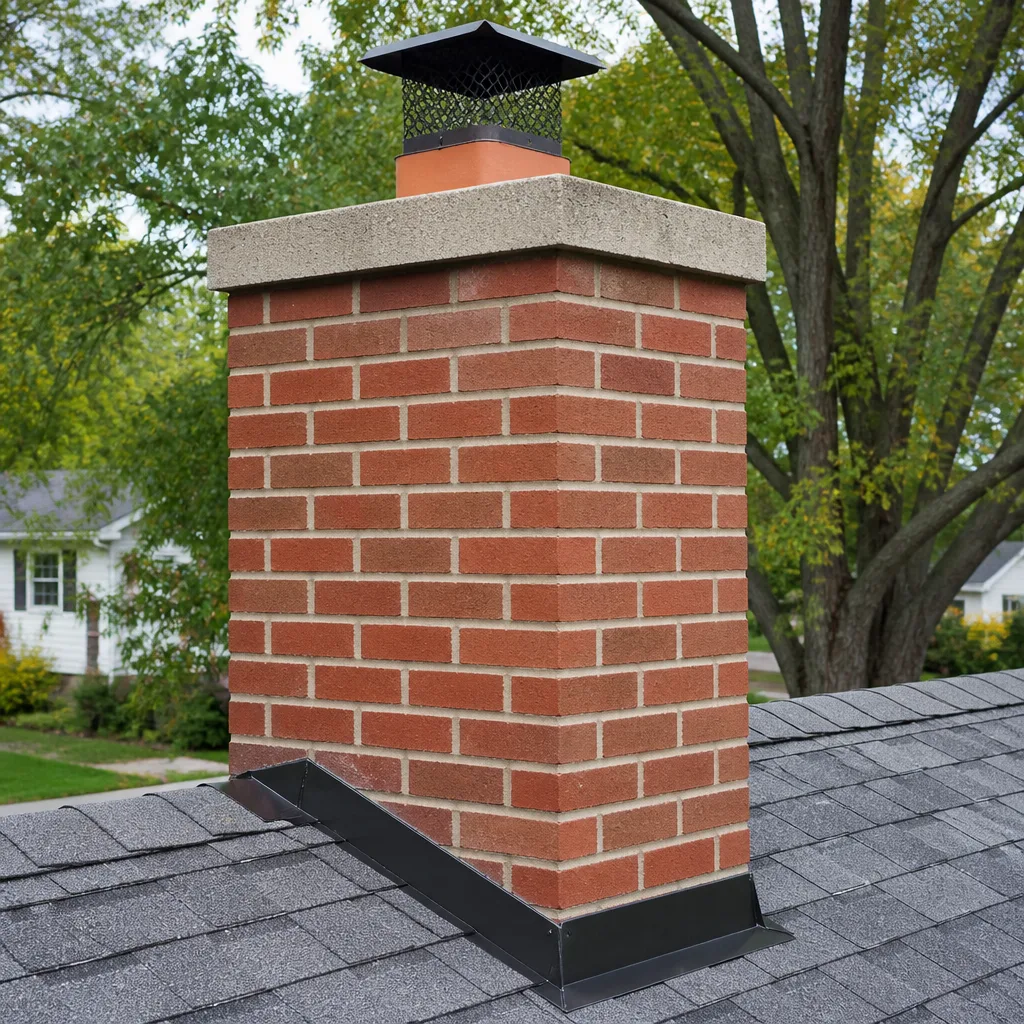 Masonry repair
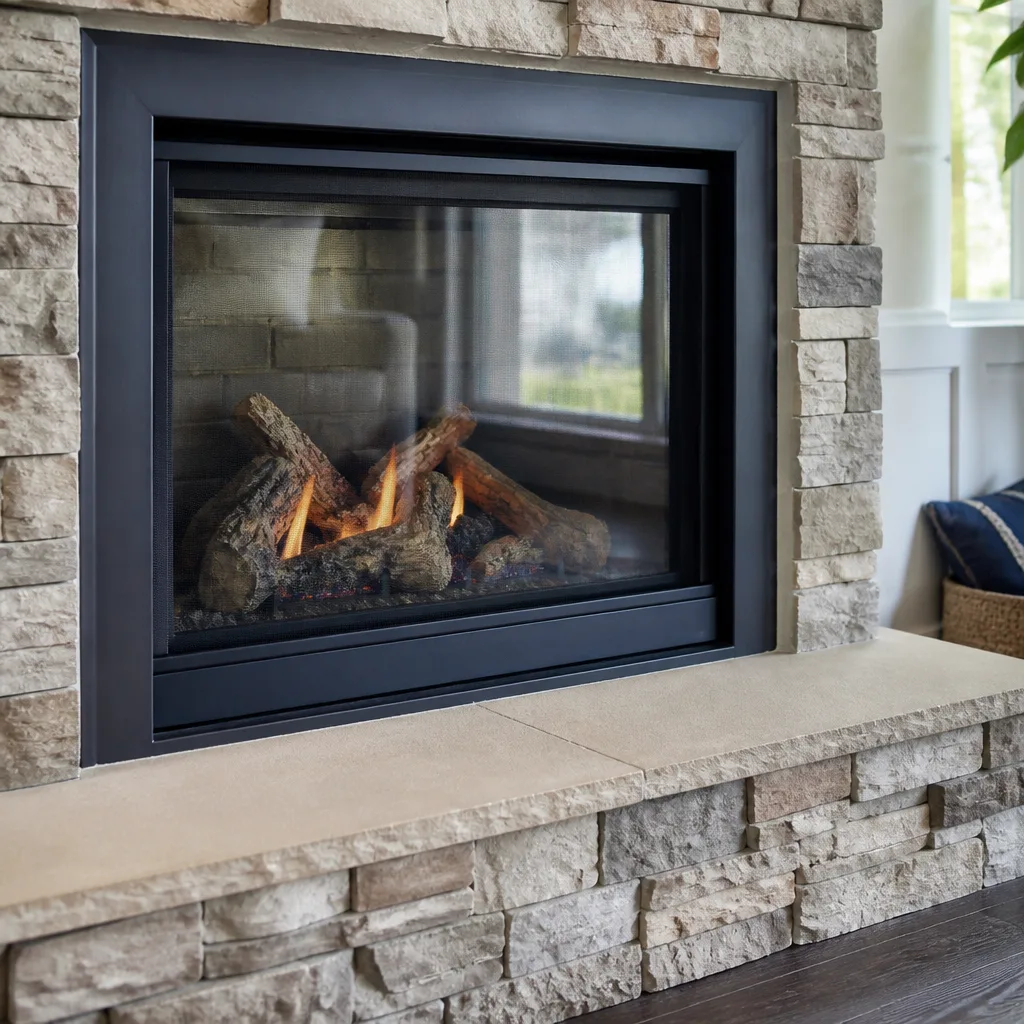 Gas fireplace service
Level 1 sweep and inspection to the NFPA 211 annual standard - flue, crown, cap, and flashing checked and photographed
Chimney sweep logs do not sweep chimneys. They loosen some creosote - which then falls where a brush and vacuum still have to collect it.
Chimney Cleaning Permits, Codes & Inspections in Midland, TX: What You Need to Know
Here’s the part of chimney work that surprises almost every homeowner: a cleaning almost never needs a permit, but a repair often does, and the two get confused constantly. We hear the same assumption over and over in Midland, that because nothing is being built or added to the house, the city has no interest in what happens inside the flue. That assumption is wrong more often than people expect, and the gap between “the sweep came out” and “the installation was inspected” matters when a claim or a sale is on the table. This guide explains what the Texas Residential Code governs, which work falls under routine maintenance, how NFPA 211 inspection levels work, and why paperwork is worth more than a handshake.
Quick Answer
Chimney sweeping is routine maintenance and does not require a permit. Chimney repairs that change the system, including a new liner, a relined flue, a rebuilt crown or a replaced chase top, can fall under permit requirements, and whether yours does depends on the scope and on what the City of Midland Development Services classifies as repair versus replacement. Any change to the chimney system should also trigger a Level II inspection under NFPA 211, and a reputable contractor should document that inspection in writing whether or not a city inspection is required.
Styles & brands we work with
- Sweep & inspection
- Caps & crowns
- Flue relining
- Masonry repair
- Gas fireplace service
Table of Contents
- What Does the Texas Residential Code Govern on Chimney Work?
- Which Chimney Jobs Need a Permit in Midland?
- What Counts as Routine Maintenance?
- What Are the NFPA 211 Inspection Levels?
- Why Liner Installations Are the Paper Trail Problem
- How the Paper Trail Protects You at Sale and at Claim Time
- What a City Inspection Checks vs. What Your Contractor Documents
- Why Midland’s Climate and Housing Stock Change the Conversation
What Does the Texas Residential Code Govern on Chimney Work?
Texas adopts the International Residential Code as its residential building standard, and the chimney and venting provisions sit in Chapter 10, roughly Sections R1001 through R1006. Those sections cover masonry fireplace construction, factory-built fireplaces, chimney sizing and height, clearance to combustibles, and venting. The code is written for construction and alteration, not for sweeping. That distinction is the whole ballgame. When a technician brushes a flue and pulls out creosote and soot, the structure of the system is unchanged, and the code has nothing to review. When that same technician removes an old clay tile liner and installs a new stainless system, the venting assembly has been altered, and the code sections that govern venting now apply to the work.
What the code does not do is tell you who pulls the permit. That is a city function. In Midland, the Development Services department administers permitting, plan review and inspections for residential work, and their classification of a given job is what determines whether a permit is issued. A common misunderstanding is that the code itself lists every permit-required task. It doesn’t. The code sets the standard the work must meet. The city sets the process by which compliance gets verified.
Two practical points follow from this:
- The code applies to the system, not the trade. A liner installed by any contractor, whether a sweep or a general contractor, has to meet the same venting requirements.
- Repair language is deliberately broad. Sections covering chimney and venting address the assembly as a whole, which is why replacing a flue liner is treated differently from wire-brushing one.
If you’re unsure which category your job lands in, the safest move is a phone call to Development Services before work begins, not after. A contractor who knows the local process will make that call for you and can tell you in plain terms what the city wants to see.
Which Chimney Jobs Need a Permit in Midland?
There’s no single published list that covers every scenario, because scope varies. But the categories below reflect how chimney work generally gets classified under residential code and how the City of Midland Development Services tends to treat it. Think of this as a starting framework, then confirm the specifics with the city for your address. Here’s a useful way to sort it:
- Full liner replacement. Removing an existing liner and installing a new one changes the venting assembly. Treat this as permit-eligible until the city tells you otherwise.
- New chimney or fireplace installation. Clearly permitted work. Plan review and inspection are standard.
- Chase cover or chase top replacement. Structural to the exterior of the chimney. Often requires a permit; sometimes handled as a minor repair. Ask.
- Crown rebuild. A full crown replacement that involves formwork and masonry is usually treated as repair work with a permit. A crack sealed with a flexible crown coating generally is not.
- Flue resurfacing. This is where it gets interesting. HeatShield ceramic resurfacing restores a deteriorated flue from the inside without removing the original liner. Whether the city views that as a repair or an alteration is a question worth asking directly.
- Cap and damper installation. Typically maintenance. A top-sealing damper installed with a new cap is generally not permit work, though it should be documented.
- Dryer vent work. Cleaning is maintenance. A full re-route of dryer venting through new wall penetrations is a different conversation and worth checking.
What we tell homeowners in Midland is simple: the cost of asking is a phone call. The cost of skipping a required permit can be a failed inspection at resale or a contested insurance claim. Those two outcomes are not equivalent, and they never show up on the same day.
What Counts as Routine Maintenance?
Routine maintenance is work that keeps the existing system operating as designed without changing its components. Sweeping is the clearest example. So is removing a bird’s nest from the flue, replacing a missing cap with a like-for-like unit, or cleaning out a firebox. None of these alter the venting assembly, so none of them trigger the code sections that govern installation.
Midland’s housing stock makes this distinction worth understanding. The city has a large share of single-family homes with masonry fireplaces, and a fair number of those fireplaces see real use during the cooler months. The demand on a sweep is high. The temptation to skip a permit on a bigger job because “the sweep was already out” is real, and it’s the wrong call. Cleaning and repair are two different services with two different documentation standards.
- No permit expected: sweeping, debris removal, cap replacement with an identical unit, firebox cleanup, damper lubrication or minor adjustment.
- Permit may apply: any change to liner material or diameter, chase modification, crown replacement involving masonry, new wall penetration.
- Permit expected: new chimney construction, new fireplace installation, substantial reconstruction.
One more category deserves a mention: dryer vents. A clogged dryer vent is a fire-safety issue, and dryer vent cleaning is maintenance, not construction. The work that sometimes requires a permit is a re-route that puts a new hole in an exterior wall. Cleaning the existing run does not.
What Are the NFPA 211 Inspection Levels?
NFPA 211 is the standard for chimneys, fireplaces, vents and solid fuel appliances, and it defines three inspection levels. Knowing which level applies to your situation is the single most useful piece of chimney literacy a homeowner can have. The levels are cumulative: Level II includes everything in Level I, and Level III includes everything in Level II.
Level I. A visual inspection of readily accessible portions of the chimney and venting, with the appliance connected and in normal operation. This is the inspection that accompanies an annual sweep. If nothing has changed, a Level I is appropriate.
Level II. Everything in Level I plus inspection of accessible attic, crawl space and other concealed areas, and a video scan of the flue interior. The critical trigger: a Level II is required after any change to the chimney system. That includes a new liner, a change in fuel type, a change in appliance, a replacement appliance, or a property transfer. When a contractor installs a DuraFlex liner in your Midland home, a Level II scan before and after the work is the standard of care.
Level III. Everything in Level II plus removal of components or construction to access concealed areas. This is a diagnostic level, used when a Level II finds a problem that can’t be resolved without opening something up.
The pattern to remember: cleaning calls for Level I, system change calls for Level II, unresolved diagnosis calls for Level III. A contractor who installs a liner without a Level II scan has skipped a step the standard requires, and a homeowner has no way to know that happened unless they ask.
Why Liner Installations Are the Paper Trail Problem
Liner work is where code compliance, insurance exposure and contractor competence all meet. It’s also where we see the widest gap between what a homeowner believes happened and what the record shows. When we reline a chimney, we reline with DuraFlex, a flexible stainless system sized to the appliance and the flue. The installation itself is a professional-grade job. The documentation around it is what protects you later.
Here’s why the paper matters. An insurance policy responds to a claim based on the condition of the property and the cause of the loss. If a chimney fire traces back to an installation that was never inspected and never documented, the carrier has a legitimate question to ask about how that installation was verified. Some policies handle that differently than others, and we’re not going to tell you what yours says. What we will say is that the absence of a record is not neutral. A permit inspection report, an NFPA 211 Level II scan report, and photographs of the completed work are all evidence. A verbal assurance isn’t.
For flues that are deteriorated but not failed, resurfacing changes the calculus. HeatShield is a ceramic resurfacing product applied to the interior of a clay tile flue to restore a smooth, sealed surface. It’s a repair, not a replacement, and it’s the appropriate middle option for a flue that’s rough but structurally sound. We’re certified to apply it, and it’s exactly the kind of job where the permitting question needs a direct answer from the city rather than an assumption.
How the Paper Trail Protects You at Sale and at Claim Time
A home sale is when chimney documentation earns its keep. Buyers’ inspectors look at the firebox and the visible flue, and they routinely recommend a Level II scan as a condition of sale. If you’ve had liner work done and you can produce the permit record and the scan report, that conversation ends quickly. If you can’t, the buyer’s inspector has no way to distinguish a professionally installed liner from one that was never verified, and the negotiation starts from a defensive position.
For a claim, the logic is similar. After a chimney fire, an adjuster will want to know the condition of the flue before the loss and the history of the system. Documentation answers both questions. Here’s what a well-organized file looks like:
- The permit application and any inspection card or sign-off from the city
- The NFPA 211 inspection report with the level stated clearly
- The video scan, saved and dated
- The written estimate and invoice describing exactly what was installed
- Photographs of the flue before, during and after work
None of this is unusual to ask for. A contractor who does quality work should be able to hand you these items without being chased. If a contractor can’t produce a written description of what was installed, that’s a signal about the work itself, not just the paperwork.
What a City Inspection Checks vs. What Your Contractor Documents
A city inspection and an NFPA 211 inspection are not the same thing, and confusing them is one of the most common misunderstandings we encounter. The city inspection verifies that permitted work meets the adopted code. It is a compliance check on specific items, performed by a municipal inspector at defined stages of the job. The NFPA 211 inspection is a broader evaluation of the chimney system’s condition, performed by the contractor, and it covers the flue interior, clearances, and appliance connections in a way a municipal inspection doesn’t attempt.
In practical terms, here’s the rough division:
- City inspection typically covers: the permitted scope, installation compliance with the adopted code, and final sign-off on the job as described in the permit.
- Contractor NFPA 211 documentation typically covers: the flue scan and its findings, clearance measurements, appliance connection, condition of the crown and cap, and any observed deterioration or obstruction.
Both exist for the same reason: so there’s a record. A municipal inspector may or may not perform a video scan of the flue interior, depending on the job and the scope of the permit. Your contractor’s Level II report should. That’s why we tell homeowners in Midland to ask for both, and to keep both.
Why Midland’s Climate and Housing Stock Change the Conversation
Midland’s climate is dry and the winters are mild, which shapes chimney use in a specific way. Fireplaces here tend to be used in bursts rather than continuously through a long heating season. That pattern has a real effect on creosote: intermittent burning with cooler flue temperatures produces more of the glazed, harder-to-remove deposits than a hot, steady fire does. A flue that looks lightly used can carry a meaningful layer of creosote, which is one reason an annual sweep matters even in a mild climate. It’s also a reason not to assume cleaning is unnecessary because “we barely used it.”
The housing stock matters too. Midland has a substantial number of homes with masonry fireplaces and older clay tile liners, and clay tile is prone to cracking as it ages and as it moves with the house. A cracked tile is a pathway for heat and gases to reach framing. HeatShield resurfacing exists for exactly this condition, restoring the flue interior without a full tear-out, and we lean on it whenever the flue is salvageable rather than failed.
Exterior components take a beating here as well. UV exposure and wind-driven dust wear on crowns, caps and flashing, and a cracked crown lets water into the chimney structure. Gelco caps and covers are the products we install for that work, and Olympia Chimney is where we source venting components so a repair isn’t held up by a special order. Trade-grade materials, installed by someone who knows the local conditions, make a difference you can measure in years of service.
Common Mistakes to Avoid
- Assuming a sweep covers repair compliance. Cleaning and repair are separate scopes with separate documentation needs. A clean flue tells you nothing about whether a prior liner installation was permitted.
- Skipping the Level II scan after liner work. NFPA 211 calls for a Level II inspection after any change to the system. Installing a liner without one leaves a gap in the record that’s hard to fill later.
- Accepting a verbal description of what was installed. Ask for the written scope: liner material, diameter, length, and the appliance it’s sized for. If it isn’t written down, it can’t be verified.
- Waiting until a sale to look for the paperwork. Permit records and scan reports are easy to produce when you have them and difficult to reconstruct when you don’t.
- Treating a cap as cosmetic. A missing or damaged cap lets water, birds and debris into the flue. It’s a cheap fix that prevents expensive problems.
- Overlooking the dryer vent while focused on the chimney. Clogged dryer venting is one of the leading residential fire causes, and it’s checked in the same visit as a chimney service.
- Letting a contractor start without stating the permit position. Before work begins, you should know whether a permit is being pulled, and why or why not.
See the difference
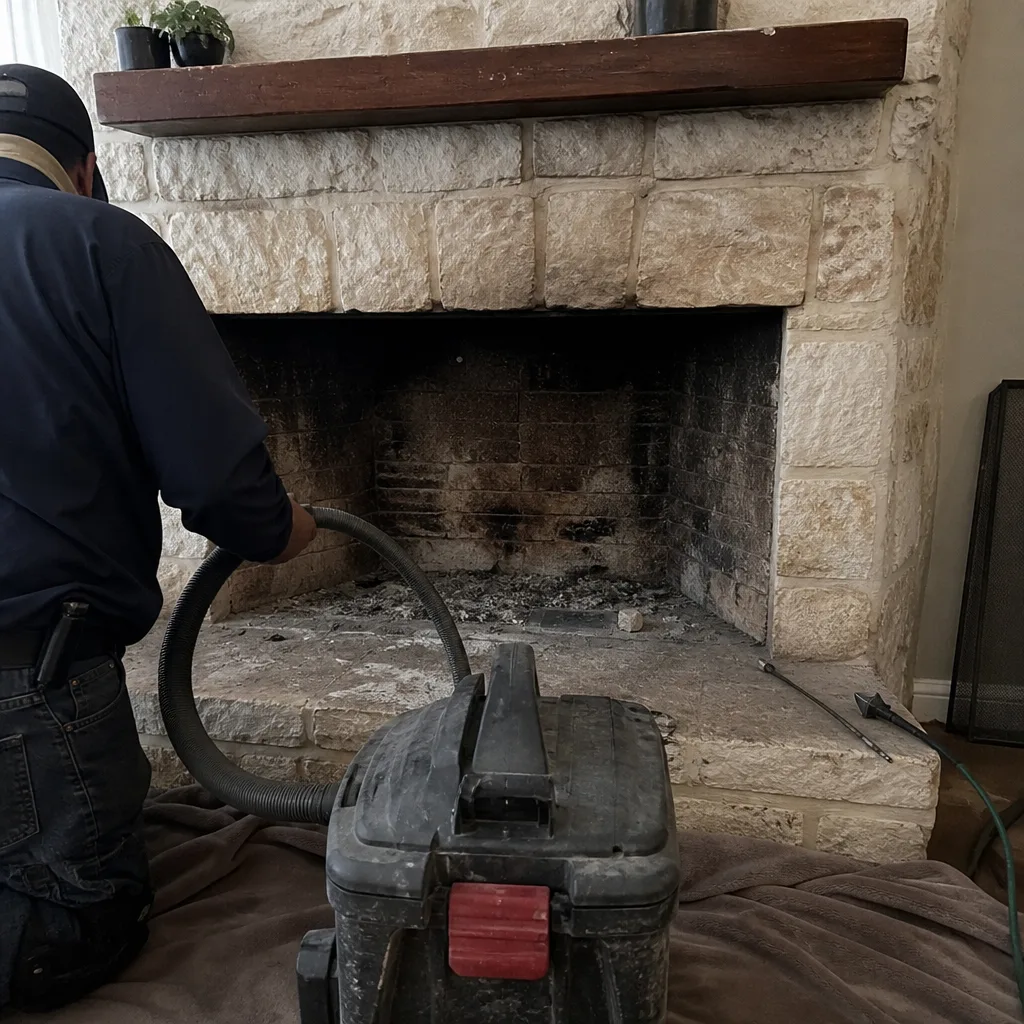 Before
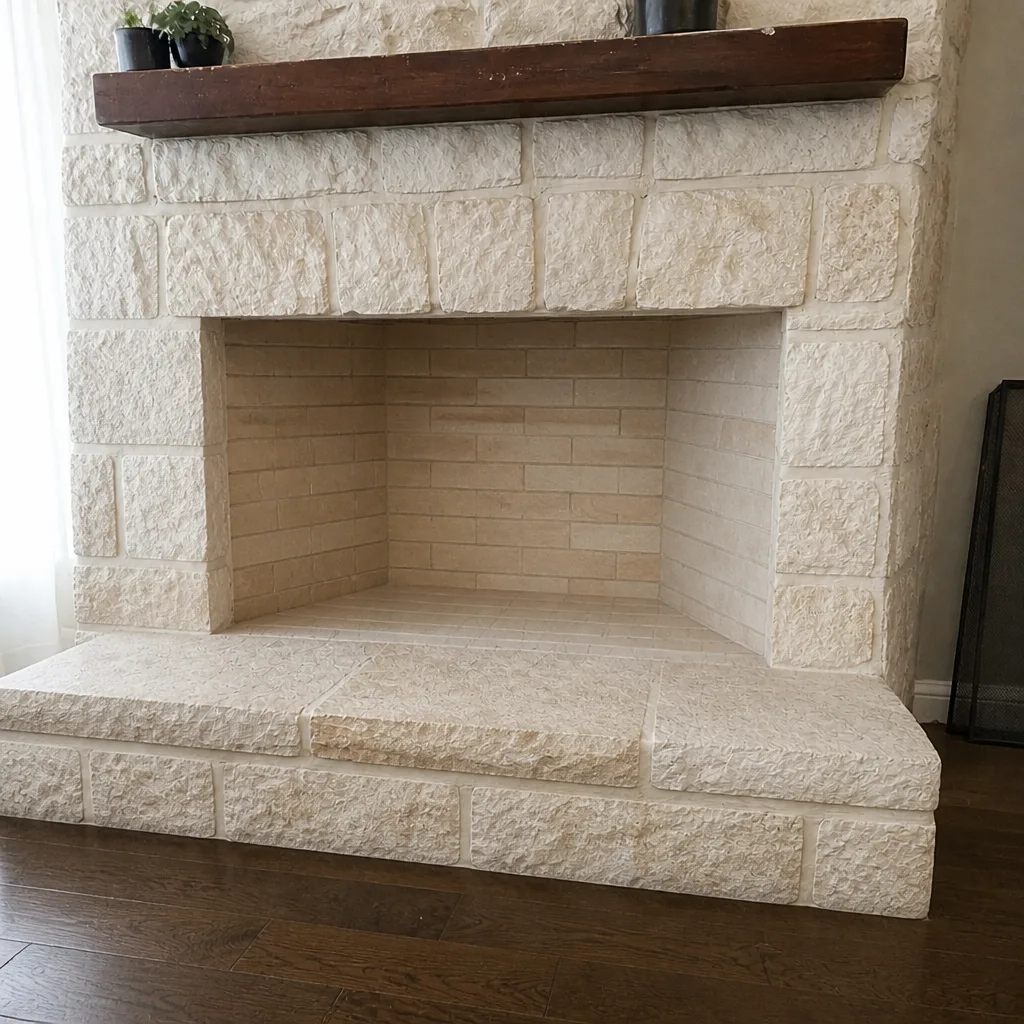 After
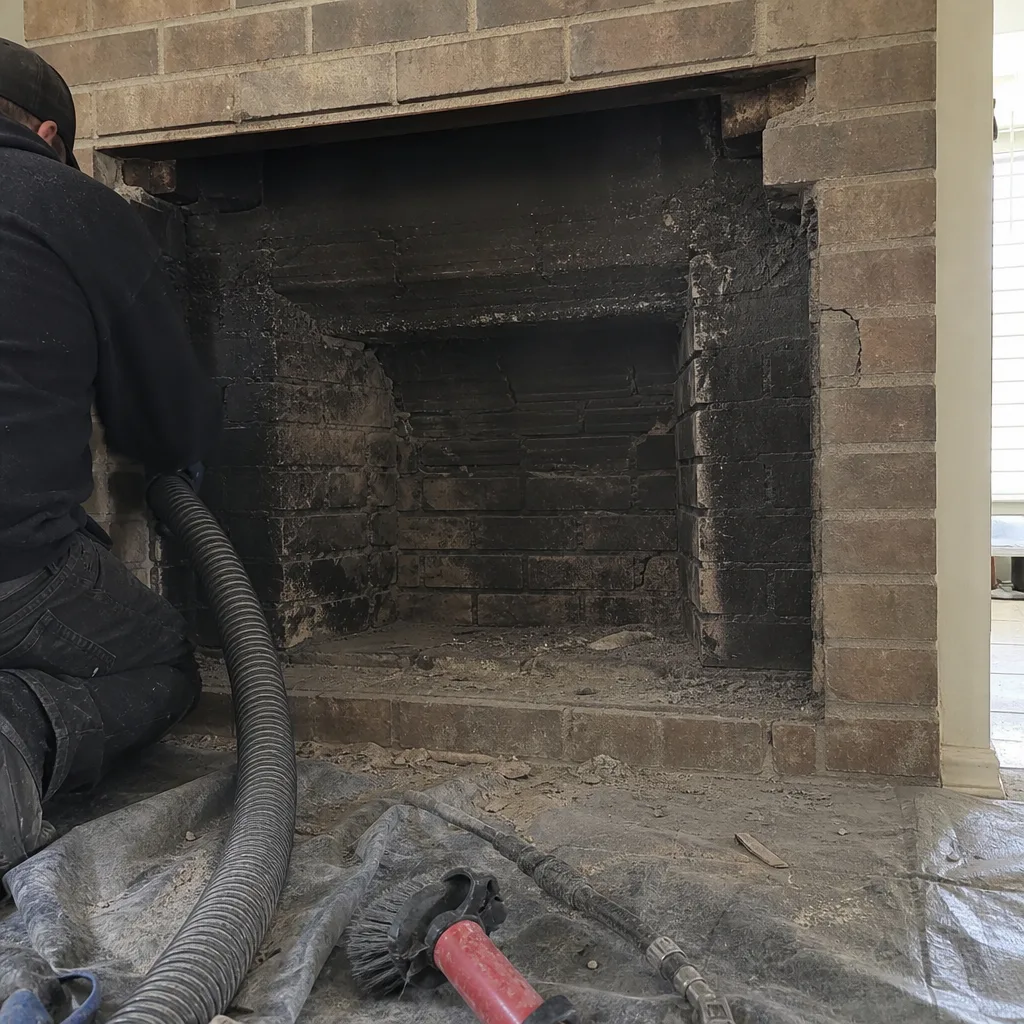 Before
 After
 Before
 After
When to Call a Professional
Call a professional if you’ve never had the flue inspected and you’ve been burning wood, if you’ve had liner or crown work done and can’t find the documentation, or if you’re preparing to sell a Midland home with a fireplace. Call if you notice a strong odor from the firebox in warm weather, if smoke rolls into the room when you light a fire, or if the damper doesn’t operate smoothly. Those are signs worth evaluating before the next burning season rather than during it. The same goes for a dryer that takes longer than it used to, which is often a venting issue rather than an appliance problem. Chimney Sweep Midland offers free estimates in Midland, and we can work with your insurer on documented claims. Call (866) 942-7865.
Frequently Asked Questions
No. Chimney sweeping is routine maintenance and does not require a permit. The permit question only arises when the work changes the chimney system itself, such as a liner installation or a structural repair. Call (866) 942-7865 for an exact quote on cleaning, and estimates are free.
It can, and the answer depends on how the City of Midland Development Services classifies the scope of your specific job. A liner replacement alters the venting assembly, which is the kind of work that falls under permit review. Confirm with the city before work begins. Call (866) 942-7865 and we’ll walk through what your job involves.
A Level II inspection under NFPA 211, which includes a video scan of the flue interior. NFPA 211 triggers a Level II after any change to the chimney system, and a new liner is a system change. That scan is separate from a municipal inspection and should be documented in writing. Call (866) 942-7865 for a free estimate.
It can create a documentation gap that a carrier may examine after a chimney-related fire, because there’s no inspection record for the installation. We can’t tell you what your specific policy says, and you should ask your carrier. What we can do is provide thorough documentation on the work we perform. Call (866) 942-7865 to schedule.
A city inspection verifies that permitted work meets the adopted code at defined stages. A chimney inspection under NFPA 211 evaluates the condition of the whole system, including the flue interior via video scan. You want both when a permit applies, and the NFPA report is the one you keep for resale. Call (866) 942-7865 for a free estimate.
Annually is the standard recommendation for a fireplace in regular use, and it holds in Midland’s mild climate because intermittent burning can produce harder creosote deposits than steady use. A Level I inspection comes with the sweep. Call (866) 942-7865 for an exact quote, and estimates are free.
If you’d like a sense of what a routine visit involves before you book, our chimney sweep page covers the process step by step. For homeowners comparing local providers, reading up on what to expect in Midland helps you ask better questions. And if you want a sense of how we approach the work overall, the team at Chimney Sweep Midland is glad to talk it through.
The Bottom Line
Cleaning is maintenance, repair is regulated work, and the line between them runs through the scope of the job, not the size of the invoice. If your project changes the chimney system, expect a permit conversation and a Level II inspection, and ask for the paperwork before work begins. Keep the permit record, the scan report and the written scope together; that file is what protects you at resale and at claim time. Midland’s dry climate and older clay tile flues make the condition questions worth asking early. A conversation with a qualified contractor costs nothing and clarifies most of this in a few minutes.
Chimney Sweep Midland handles sweeping, repair and dryer vent work as a single scope, using trade-grade products from DuraFlex, HeatShield, Gelco and Olympia Chimney. Call (866) 942-7865. We answer 24/7. Fast dispatch from 7am to 7pm, Sunday through Friday.
Written by the team at Chimney Sweep Midland, serving Midland since 2011.