
Last updated November 14, 2026
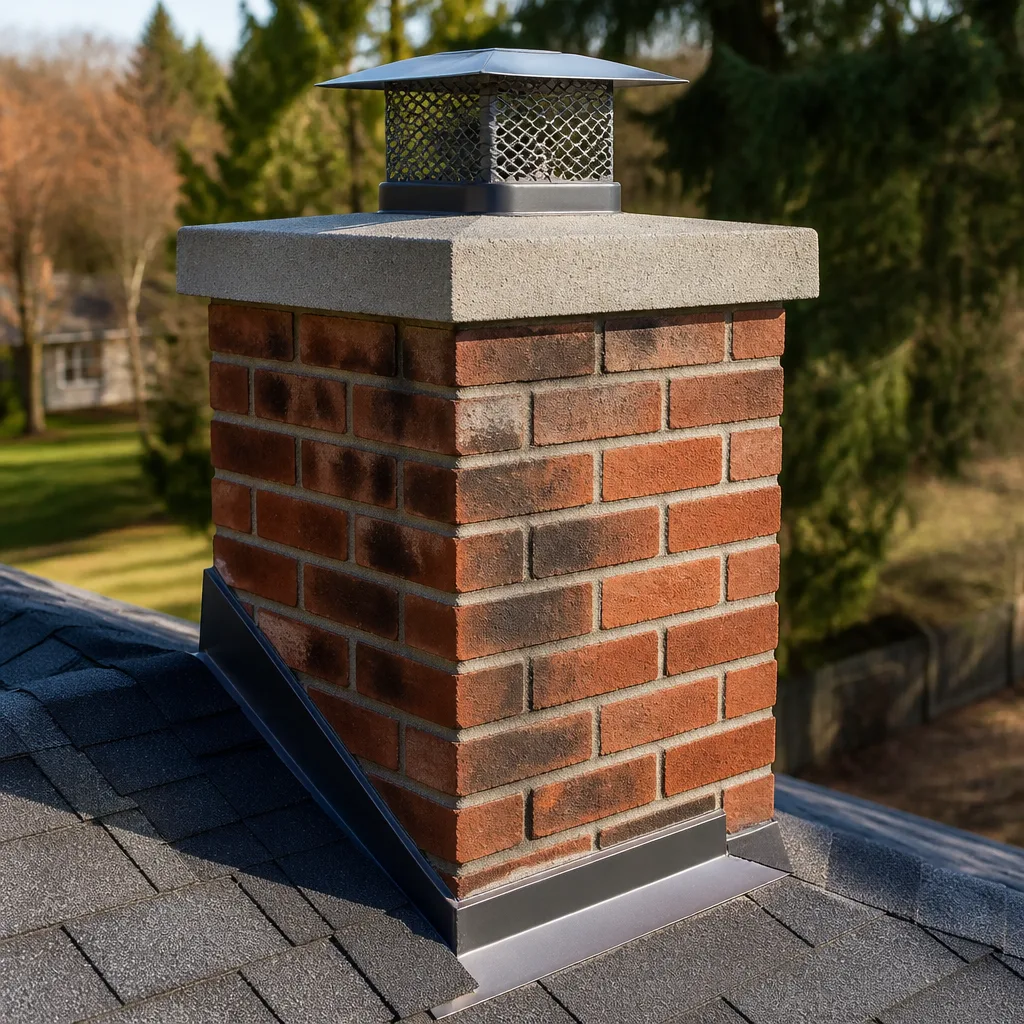 Sweep & inspection
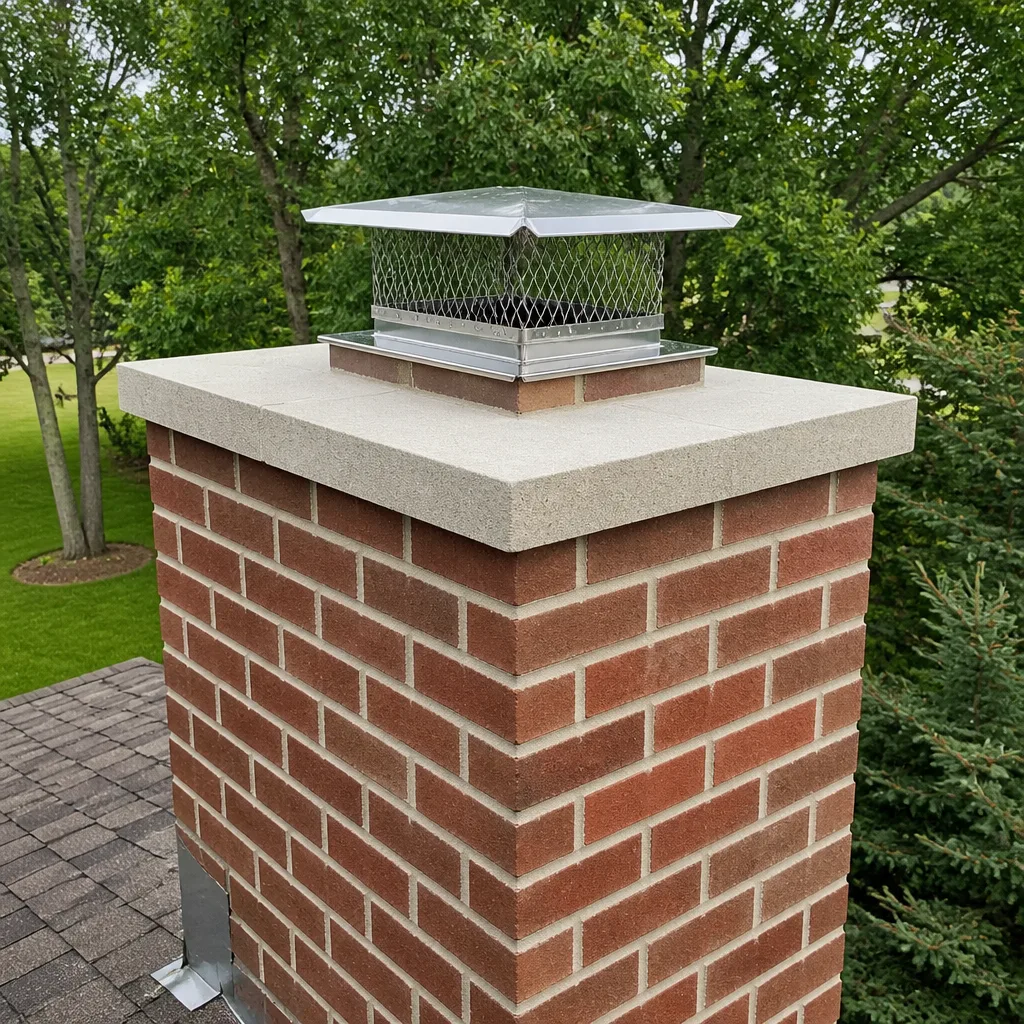 Caps & crowns
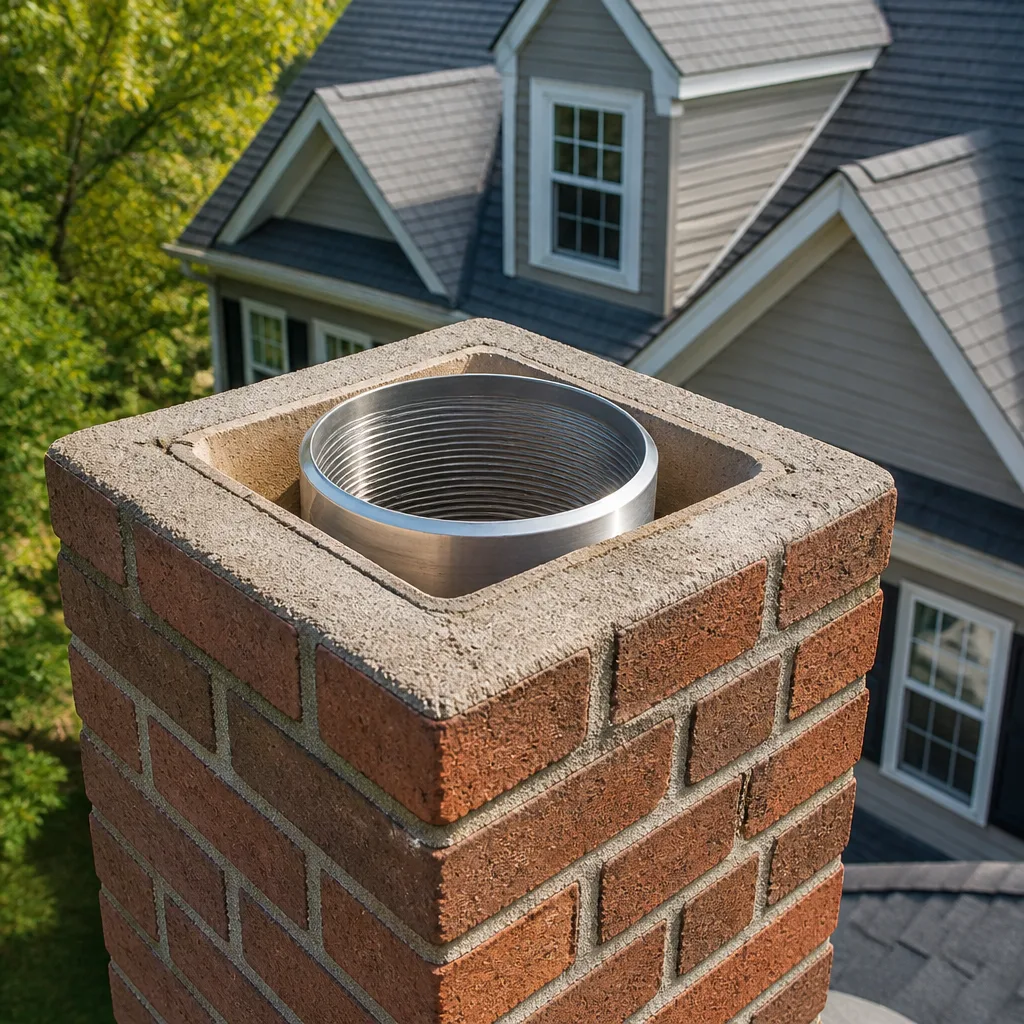 Flue relining
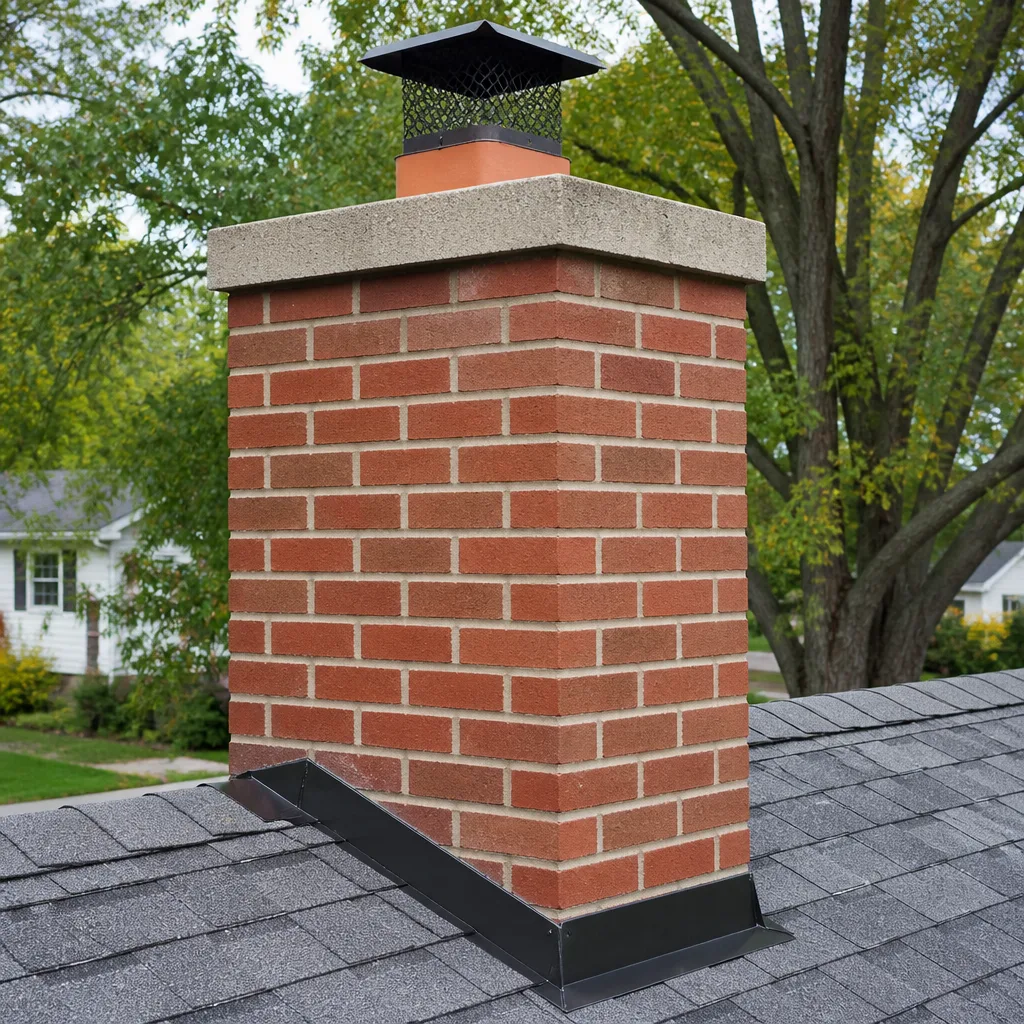 Masonry repair
 Gas fireplace service
Level 1 sweep and inspection to the NFPA 211 annual standard - flue, crown, cap, and flashing checked and photographed
Chimney sweep logs do not sweep chimneys. They loosen some creosote - which then falls where a brush and vacuum still have to collect it.
Chimney Sweep Maintenance Schedule: What to Do and When
The standard “once a year” sweeping advice assumes you burned 100 or more fires last winter. If you used your Midland fireplace six times, your schedule should look completely different. That single assumption drives most of what’s wrong with generic chimney calendars, and it’s why homeowners either overpay for unnecessary sweeps or skip the checks that actually matter for their situation. Fuel type, the number of fires you burn, the region’s dust and heat cycle, and whether your flue has been relined all move the timeline independently. This guide lays out a usage-tiered schedule built around how you actually burn, plus the specific West Texas timing that catches problems before they start.
Quick Answer
In Midland, most wood-burning fireplaces should be swept and inspected once per year if you burn 25 to 75 fires a season, inspected every two years if you burn fewer than 25, and swept every 80 to 100 fires, or once per year, if you burn 75 or more. The best inspection window here is late September, after the summer heat peaks and before your first fire. The one exception to any calendar: a chimney with no cap, a visible crack, or storm damage should be checked right away, not when the schedule says so.
Styles & brands we work with
- Sweep & inspection
- Caps & crowns
- Flue relining
- Masonry repair
- Gas fireplace service
Table of Contents
- Why Your Fire Count Sets the Schedule
- The Three Usage Tiers Explained
- The Late-September Window That Matters Most in Midland
- Why the Dryer Vent Runs on Its Own Calendar
- Products That Buy You Time Between Sweeps
- Your Post-Storm Checklist for High-Wind Events
- A Month-by-Month Maintenance Rhythm
- Common Mistakes to Avoid
Why Your Fire Count Sets the Schedule
Chimney sweeping exists to remove creosote, and creosote builds in proportion to how much wood you burn, not how many months are on the calendar. A homeowner who lights a fire on three cold nights has a chimney that looks almost exactly like it did in the fall. A homeowner who burns every cool evening from November through February has accumulated a real layer of deposit by spring. Treating those two homes the same is guesswork dressed up as maintenance.
We’ve seen the same pattern across Midland homes for years. Usually, the properties on a fixed annual calendar are split into two groups: those who burned enough to need a sweep and paid for one, and those who barely used the fireplace and paid anyway. Neither homeowner has any way to verify which group they’re in without looking inside the flue.
That’s where the fire count comes in. Every fireplace produces a measurable amount of creosote per cord of wood, and the industry’s glide path of “sweep at about 80 to 100 fires” is a usable starting point. From there, your actual burn habit adjusts it up or down.
Here’s the simple version: count the fires you lit last season. If you can’t remember, estimate the cords. A half cord means you’re likely in light territory. A cord to a cord and a half means moderate. Two cords or more, or fires more nights than not, puts you in heavy use and back on the annual sweep.
The count matters for safety, not just tidiness. A chimney packed with a heavy glaze of creosote is the condition most closely tied to a residential chimney fire, and a Midland chimney that’s gone two winters without attention is the one that deserves a camera inspection. If your last real look inside was more than a year ago, start with a chimney sweep and let the technician document what’s actually in there.
The Three Usage Tiers Explained
Here is the schedule we build with Midland homeowners, organized by how much they actually burn. These are inspection intervals, not rules handed down by code. If you haven’t had the flue inspected even once, that first inspection is the one that sets the baseline for every year after.
Light Use: Under 25 Fires per Season
- Inspection: every two years, or any time you change fuel type or notice smoke rolling back.
- Sweep: only when the inspection shows a real deposit layer, not automatically.
- Cap and crown check: annually, because a quiet fireplace spends months exposed to Midland wind and sun.
- Dryer vent: still yearly, regardless of how often you use the fireplace.
Light users are the group most often oversold. If you burned fewer than 25 fires and the last inspection was clean, a sweep this year may not be necessary. But the cap, crown, and flashing still need a look every year: those components age with weather, not with fire count.
Moderate Use: 25 to 75 Fires per Season
- Inspection and sweep: once a year, ideally in late September.
- Cap and crown check: during the same visit.
- Smoke detector and carbon monoxide alarm test: same week, every year.
Moderate is the typical Midland household: fireplace used on most cool evenings but not every night. One annual visit handles the whole system, and there’s no reason to split the sweep from the inspection with this usage pattern.
Heavy Use: 75 or More Fires per Season
- Inspection: late September, before first use.
- Mid-season check: after you’ve burned about 40 to 50 fires, often around late December or January.
- Spring sweep: after the last fire of the season, to clear the winter’s deposit before it sits through the heat.
If you burn this much, you’re essentially running a small furnace. Quarterly visual checks on the cap, a mid-season look for glazed creosote, and a real sweep in spring will keep the system safe. Skipping the mid-season check with heavy use is where people get into trouble.
The Late-September Window That Matters Most in Midland
If a schedule could only have one date on it, it would be the last week of September. That’s the point after Midland’s summer heat has peaked and before the first cool evening gets people building fires. Two things make this window worth waiting for and worth planning around.
First, sealant and crown compound cure better in mild temperatures than in either summer heat or a sudden cold snap. Applying crown sealant in late September gives it the best chance of holding through the dry winter. Second, this is the last chance to catch a loose cap or a cracked crown before the burning season starts. A cap that’s already lifted by a summer wind event won’t get worse because you checked it; it will only get worse if you don’t.
The inspection window also lines up with a useful diagnostic moment. In Midland, a fireplace that drafts poorly in September usually drafts fine in January, because the outside air is cooler and the temperature differential across the flue is stronger. So the fall inspection is a good time to ask the technician to check the cap and crown, and a poor draft in October is a real warning sign.
The worst timing is the middle of the first cold snap, when every chimney in the city needs attention at once and slots vanish. Book the sweep for late September, and you’ll be ahead of the rush. A simple rule: when the daytime highs stop hitting triple digits and the mornings start in the 60s, that’s your signal to call.
Why the Dryer Vent Runs on Its Own Calendar
The dryer vent is part of your home’s exhaust system too, but it lives on a completely different clock. A fireplace burns wood and builds creosote. A dryer moves lint, and lint builds up far faster: one load of laundry can leave a visible layer inside the vent. That’s why dryer vent cleaning belongs on a yearly schedule for most households, not a seasonal one, and why it should never be tied to how often you burn wood.
Lint is also the leading cause of residential dryer fires. It’s a safety item, not a cleaning chore. In a dry, dusty climate like Midland’s, the outside vent flap is one more thing that can jam with debris and quietly cut airflow, which then pushes lint into the duct run rather than out the wall.
Here’s how the two calendars split:
- Chimney: tied to your fire count and to the September inspection window. Sweep annually with moderate or heavy use, or when the inspection shows deposit.
- Dryer vent: yearly for most households, sooner if drying times have gotten longer or the laundry room feels humid.
- Both: worth checking in the same season so you only think about exhaust systems once per year.
Matching them up in the fall is the simplest habit. When you book the chimney visit, ask for the dryer vent cleaning while the technician is already in the house. One call covers both systems. The alternative is two contractors, two schedules, and two slots to remember.
Products That Buy You Time Between Sweeps
Some chimney upgrades don’t just repair a problem; they change your future maintenance intervals. This is worth understanding before you authorize any work, because homeowners tend to think of a repair as restoring the status quo when in fact it can reduce what you need to do for the rest of the chimney’s life.
A stainless steel liner is the clearest example. When we reline a chimney with a Chimney Sweep Midland DuraFlex liner, the new flue has a smooth, seamless interior that creosote doesn’t cling to the way it does to old clay tile. Sweeps are faster, inspections are more accurate, and the deposit builds more slowly. You’re not just fixing a cracked flue; you’re buying a chimney that behaves better every year.
HeatShield resurfacing does something similar for a flue that’s deteriorated but salvageable. HeatShield applies a ceramic resurfacing material to the inside of the flue, restoring a smooth surface without full relining. That’s a real middle option between “do nothing” and “replace the whole liner,” and it’s why we keep HeatShield capability in-house rather than referring those jobs out. Restore before you replace is a smart position for a lot of mid-century homes.
Other upgrades that affect the schedule:
- Gelco chimney caps: a properly fitted stainless or powder-coated cap keeps rain, birds, and debris out. A capped chimney builds less deposit and needs less frequent inspection of the top.
- Top-sealing dampers: a well-sealed top damper keeps heat from escaping and moisture out, which reduces the rust and degradation that drive repairs.
- New flashing: keeps water from staining and eroding the crown and chimney exterior.
What this buys you is time and predictability. A relined chimney with a good cap, on a moderate-use schedule, is one where the annual visit is fast and boring. That’s the goal. If you’re not sure whether your flue is salvageable or needs relining, that’s a camera inspection question, and we’ll show you the footage.
Your Post-Storm Checklist for High-Wind Events
Midland gets high-wind events that can dislodge a cap, peel back flashing, or drop debris into the flue, and you won’t notice any of it until the first fire of the season sends smoke into the room. A quick external walk-around after a wind event catches most of this, and it costs nothing but ten minutes.
Here’s the checklist we suggest running after any strong-wind day:
- Look at the cap from ground level. If it’s tilted, missing, or sitting crooked, stop and call. A loose cap is a one-visit fix; a cap that blows off entirely can let rain and birds into the flue.
- Check the roof for fallen branches or shingle debris that could have landed on or near the chimney.
- Look for new staining on the chimney exterior or on the ceiling near the fireplace. Water staining after a wind-driven rain is a flashing or crown problem.
- Open the damper and look up with a flashlight for anything visible in the firebox: nesting material, broken tile, or leaves dropped down the flue.
- Light a small test fire and watch the draft. Smoke that rolls forward or lingers in the room can mean a blockage. Put the fire out and call for an inspection.
- Check the dryer vent flap outside. A high wind can leave it stuck partly open, which lets lint collect at the exit.
Don’t climb on the roof to check the cap yourself. A wind-damaged roof is exactly the wrong place to test your footing, and the fix takes a technician with the right parts. We stock Gelco caps and the standard venting components, so a damaged cap is usually replaced in the same visit.
A Month-by-Month Maintenance Rhythm
The annual calendar is the skeleton, but small monthly habits keep it on track. Here’s a rhythm that works for Midland homes. You can run all of it in about fifteen minutes a month.
- Every month during burning season: test the smoke and carbon monoxide alarms. This is the single most important check on the list and it takes two minutes.
- After every cord of wood burned: look inside the firebox for a heavy, glassy deposit on the firebox walls. That’s glazed creosote and it’s the signal to call before the next fire.
- After any high-wind day: walk the exterior with the post-storm checklist above.
- Every six months: pull the dryer vent run apart at the wall connection, if it’s accessible, and check for lint accumulation. A full cleaning once a year handles most homes, but a six-month look catches a vent that’s clogging faster than normal.
- October through March: keep an eye on drying times. Laundry that now takes two cycles instead of one usually means the vent is restricted.
- Late September: book the annual inspection and sweep.
- April: if you’re a heavy user, schedule the spring sweep so the winter deposit doesn’t sit through the summer.
That’s the whole system. If you can remember late September and the post-storm walk, you’re covering 90% of what matters. The rest of the calendar is backup.
Common Mistakes to Avoid
- Treating the annual sweep as automatic regardless of use. A light-use fireplace doesn’t need the same visit as a heavy-use one. The inspection should decide, not the calendar. If a company quotes you a sweep before they’ve looked inside, ask what the inspection found.
- Skipping the cap check because the fireplace is quiet. The cap and crown age with Midland weather, not with fire count. A quiet fireplace can have a loose cap for a year before you notice anything.
- Booking in the first cold snap. Everyone else in Midland is doing the same thing. Late September means you get a slot, and the weather is easier to work in.
- Folding dryer vent cleaning into a spring cleaning mindset. The dryer vent is a yearly fire-safety service, not a seasonal chore. If it’s been more than a year, get it checked.
- Trusting a sweep that doesn’t show you the camera footage. A technician who recommends a liner or masonry repair without photo evidence of the problem is asking you to spend thousands with no ability to verify it. Insist on seeing the footage.
- Letting a wind event go unchecked. A cap that’s been knocked off or a crown that’s cracked doesn’t announce itself. A five-minute walk-around after a windy day is the cheapest inspection you’ll ever do.
- Using hardware-store parts for cap and liner work. A generic cap or a homemade flashing repair is one storm away from failing. The brands we stock, including Copperfield and Gelco, are what professional chimney contractors use for a reason.
When to Call a Professional
Some situations call for a technician, not a schedule. Call right away if you smell a strong, sharp odor in the house after a fire, if smoke rolls into the room when you open the damper, if you see loose or missing mortar inside the firebox, or if a wind event leaves the cap missing. Call before the season if the chimney has never been inspected, if a previous company recommended a liner you couldn’t verify, or if you’re closing on a house in Midland and want to know what you’re buying. Also call if the flue has visible cracks in the tile: that’s not a wait-and-see item. We’ll bring the camera, show you the footage, tell you plainly whether work can wait, and give you a written estimate.
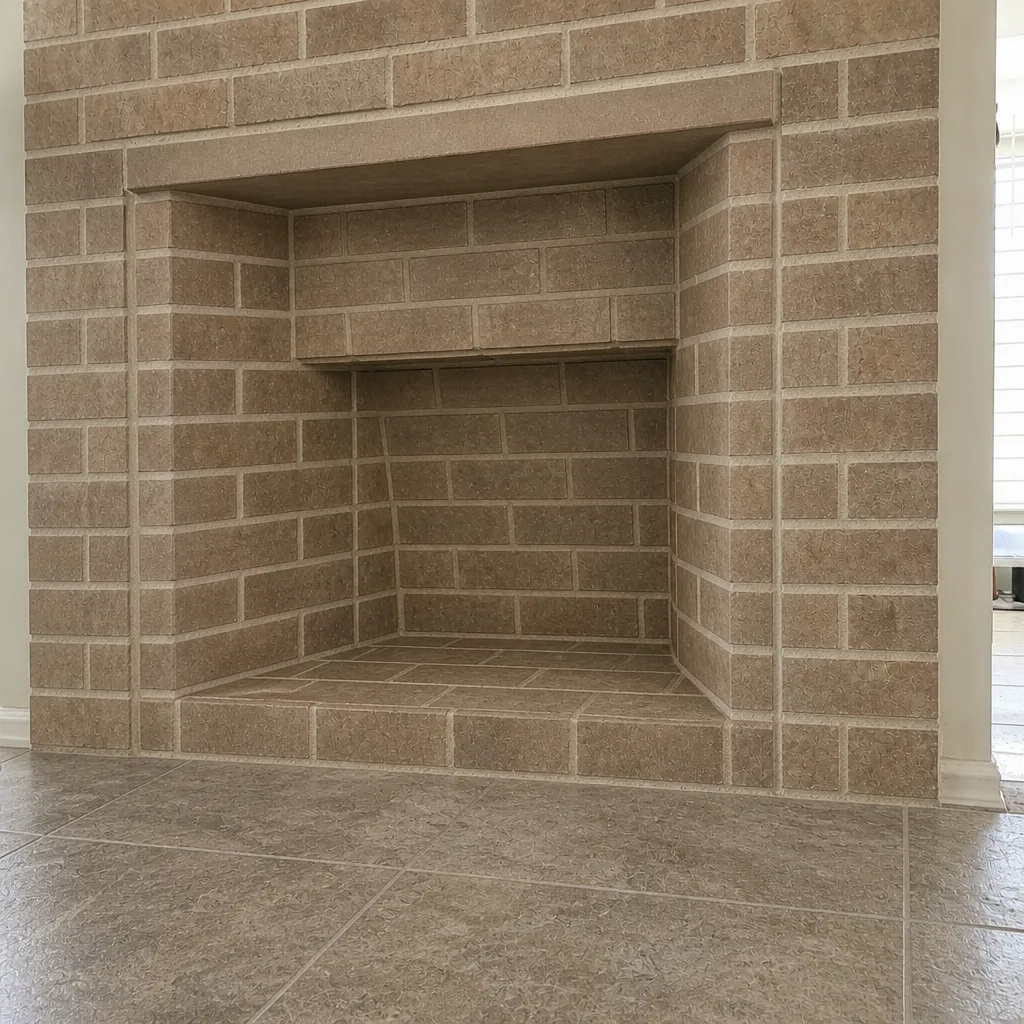
See the difference
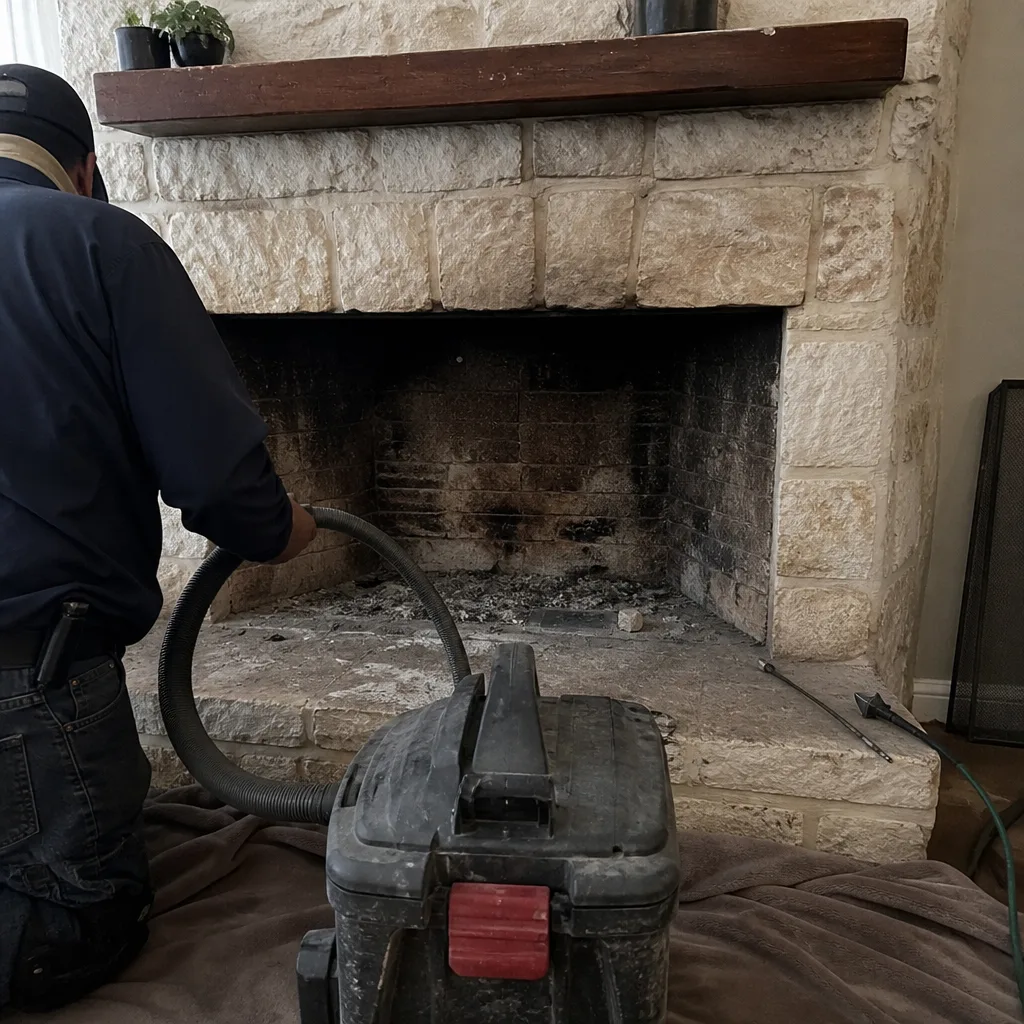 Before
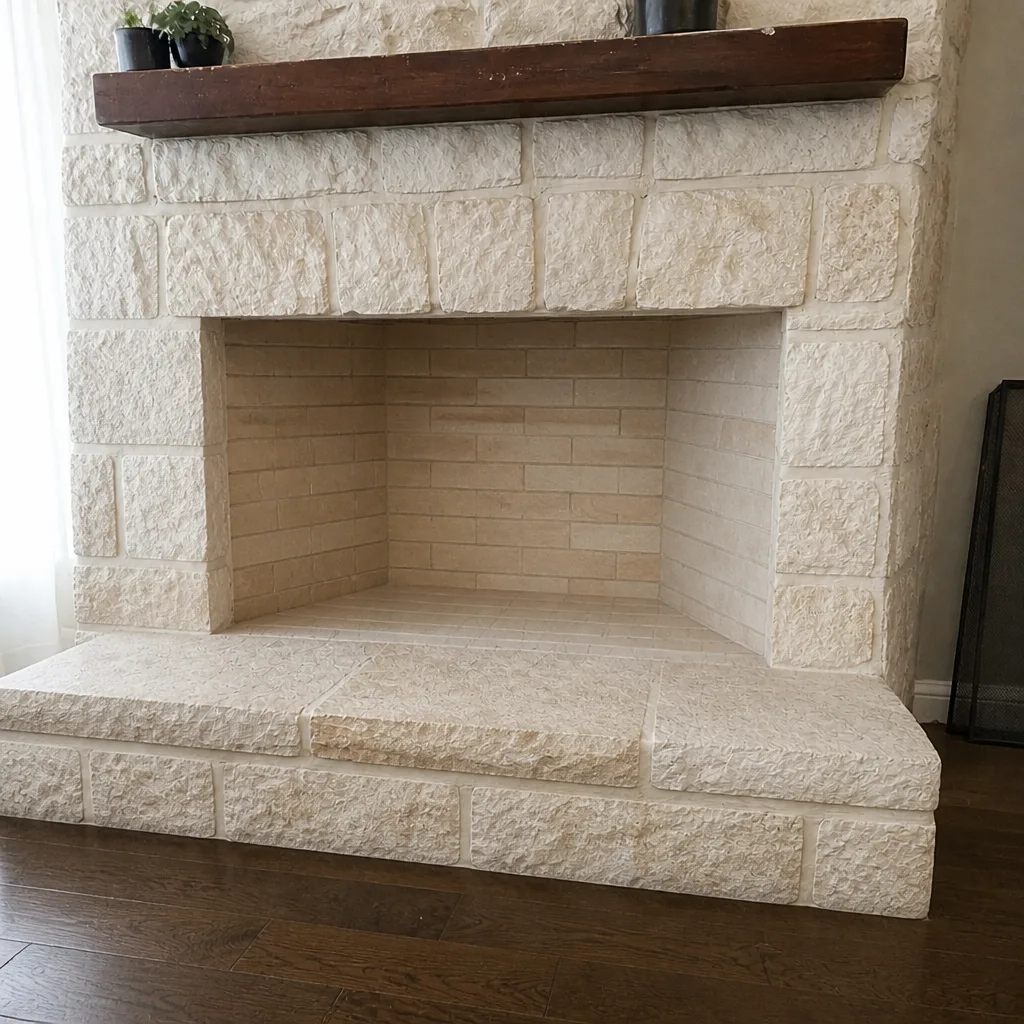 After
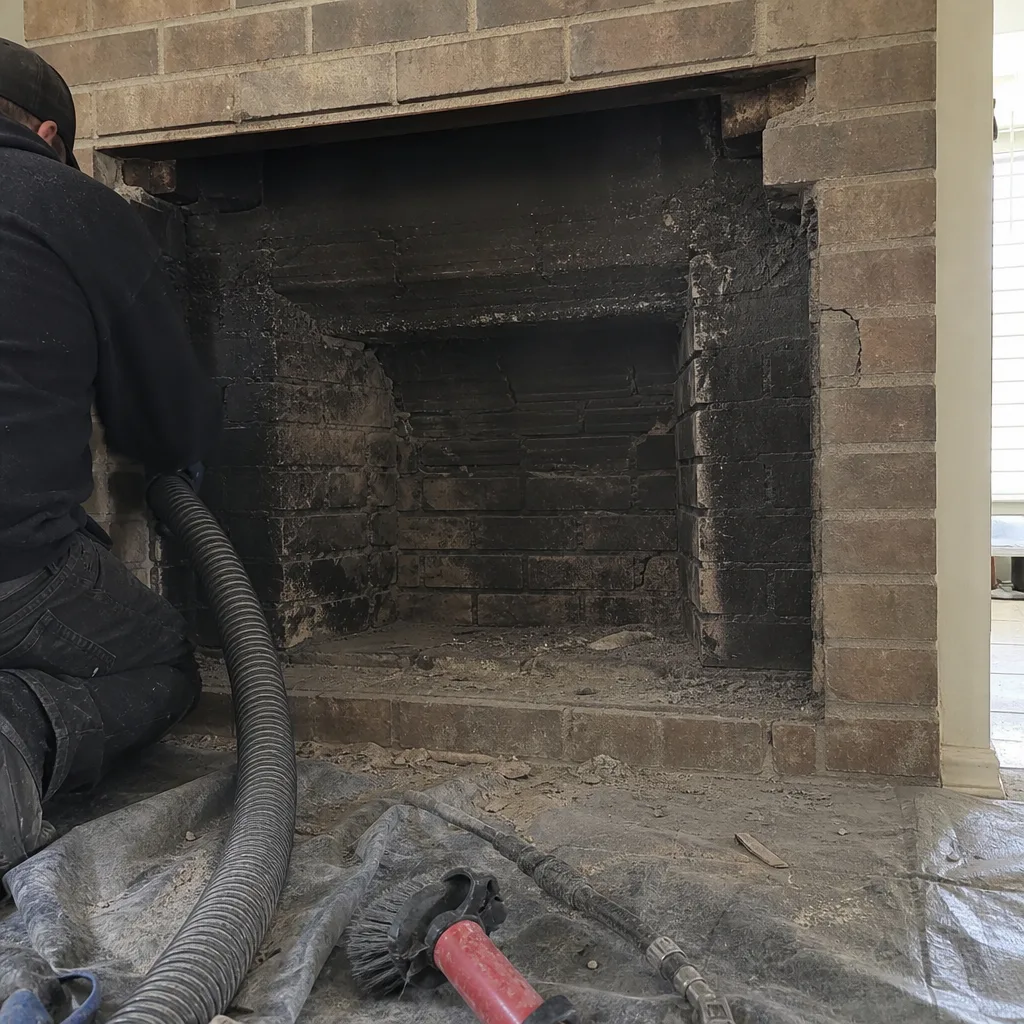 Before
 After
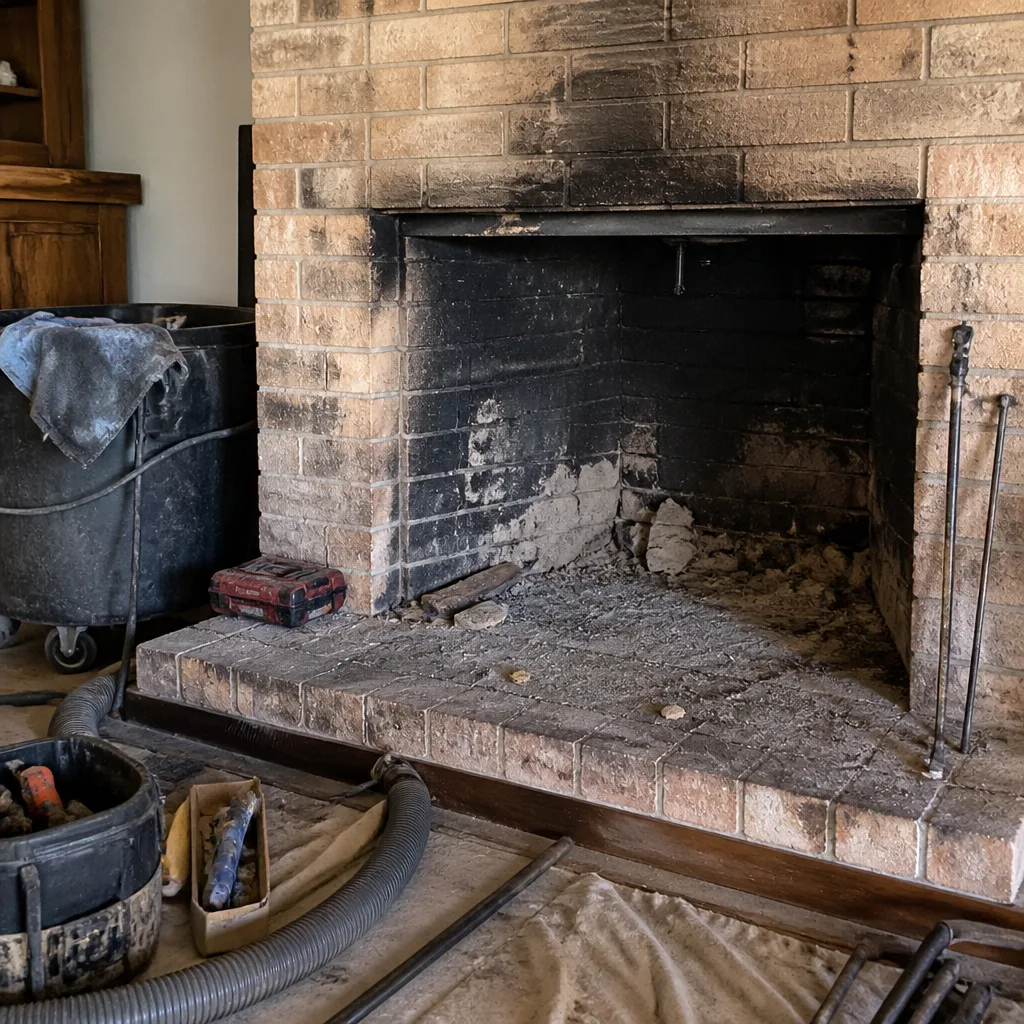 Before
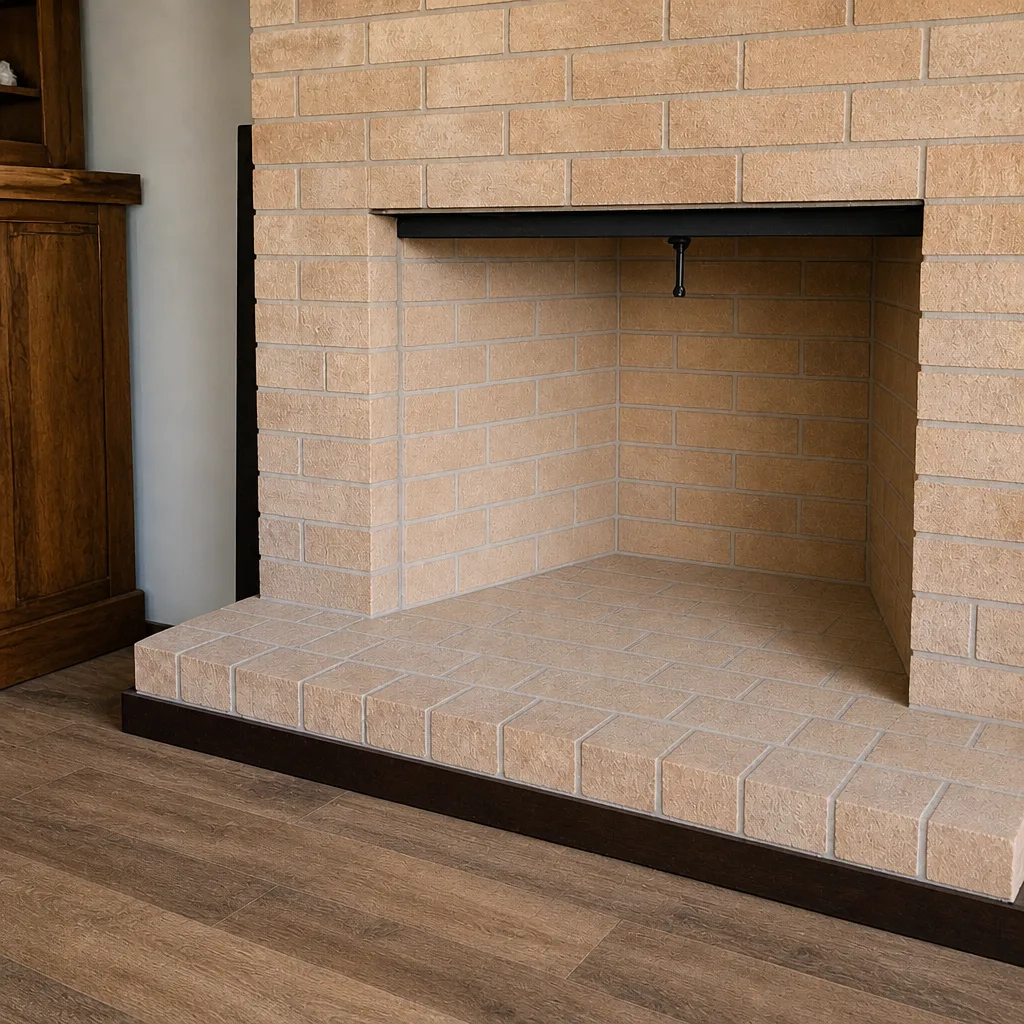 After
Frequently Asked Questions
Most Midland chimneys need a sweep once a year if you burn 25 to 75 fires per season, or every 80 to 100 fires. Light users who burn fewer than 25 fires a season can go two years between inspections if the last look was clean. The number of fires you actually burn matters more than the calendar. Call (866) 942-7865 for an exact assessment; estimates are free.
Skipping the inspection doesn’t cause a problem, but it lets one go unnoticed. The deposits, cracked crown, and lifted caps are what cause smoke issues and, in the worst case, decay that requires relining instead of a simple sweep. A yearly look is the difference between a repair and a bigger repair. Call (866) 942-7865 to get on the schedule.
Not always. Whether you need a full reline depends on what the camera sees: clay tile in decent shape may only need resurfacing, not replacement. We can apply HeatShield ceramic resurfacing when the flue is salvageable and reline with DuraFlex when it isn’t. You’ll see the footage before you decide. Call (866) 942-7865 for a camera inspection and a written estimate.
Late September is the best window. You’re past the summer heat, which helps crown sealant cure, and you’re before the first fire and the first cold snap, when the calendar fills up. If you’re a heavy user, add a spring sweep after the last fire of the season. Call (866) 942-7865 to book.
Yearly for most households, and sooner if drying times have gotten longer or the laundry room feels humid. It runs on its own clock because lint builds much faster than creosote, and lint is the leading cause of residential dryer fires. We can match it to the same visit as your chimney sweep. Call (866) 942-7865.
Walk the exterior and check the cap, the flashing, and the chimney crown for anything visible, then look inside the firebox for fallen debris. Don’t climb on the roof. If anything looks off, call (866) 942-7865 and we’ll dispatch a technician. We answer 24/7. Fast dispatch from 7am to 7pm, Sunday through Friday.
The Bottom Line
A maintenance schedule should follow your chimney’s actual life, not a generic calendar. Burn fewer than 25 fires a season and a two-year inspection may be enough. Moderate use means once a year. Heavy use means a fall inspection, a mid-season check, and a spring sweep. Whatever your tier, late September is the window to aim for in Midland, and the dryer vent runs on a separate yearly clock. The single habit that protects everything: get the camera footage and insist on seeing it before you authorize any work. When you call, ask what can safely wait. We’ll tell you.
Contact Us
If you want a schedule built around your fireplace, not a calendar, call (866) 942-7865 for a free estimate. Chimney Sweep Midland has served the Midland area since 2011, and we do the work in-house: sweep, repair, and dryer vent from one specialist. We answer 24/7. Fast dispatch from 7am to 7pm, Sunday through Friday. We stock DuraFlex, HeatShield, Gelco, and Copperfield, so repairs aren’t waiting on special orders, and every recommendation comes with footage you can see.
Written by the team at Chimney Sweep Midland, serving Midland since 2011.