
Last updated November 14, 2026
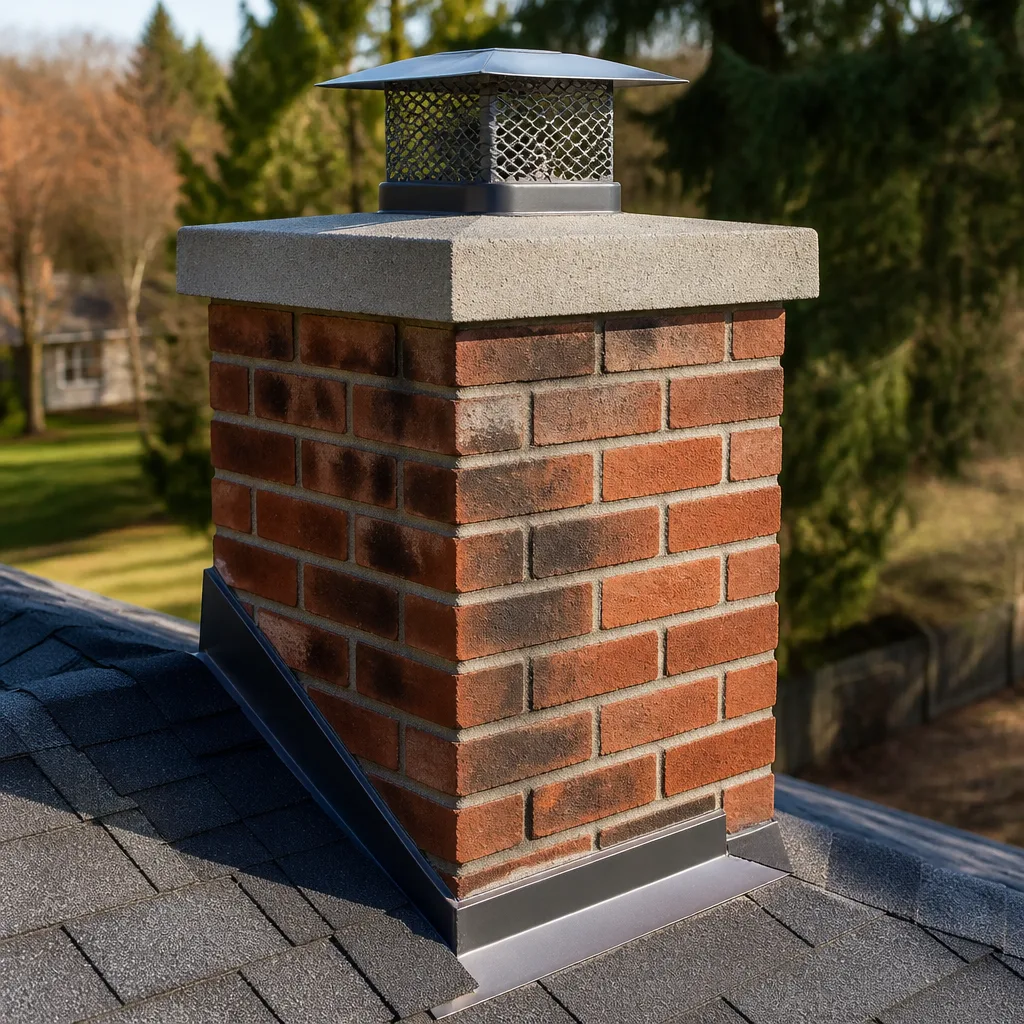 Sweep & inspection
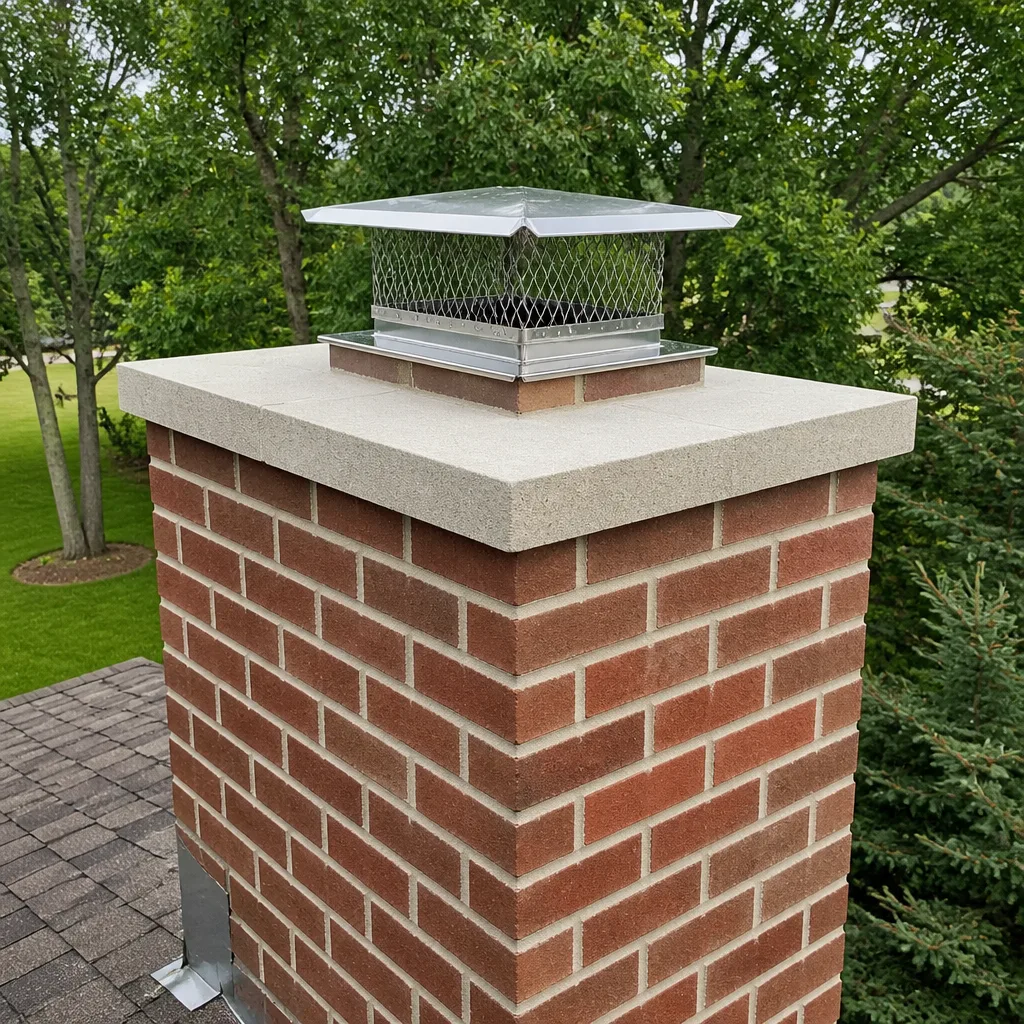 Caps & crowns
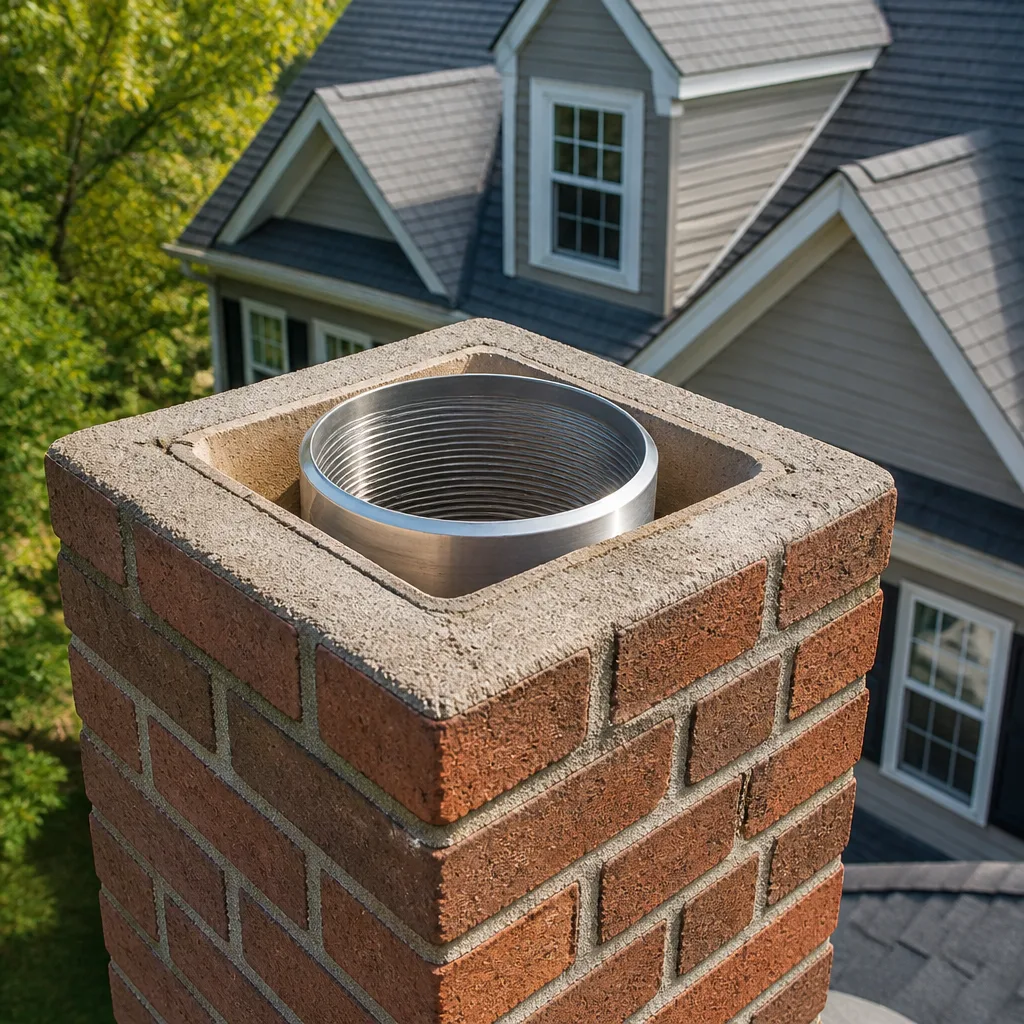 Flue relining
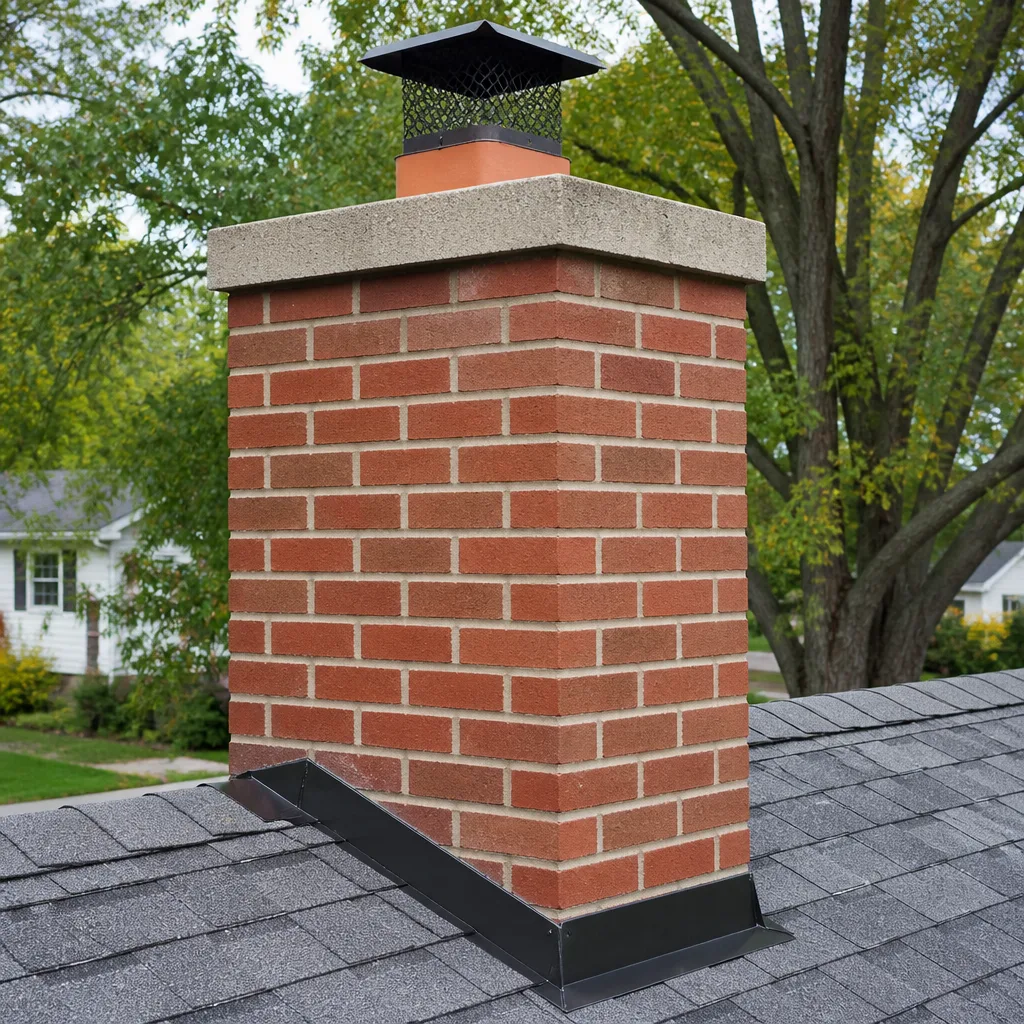 Masonry repair
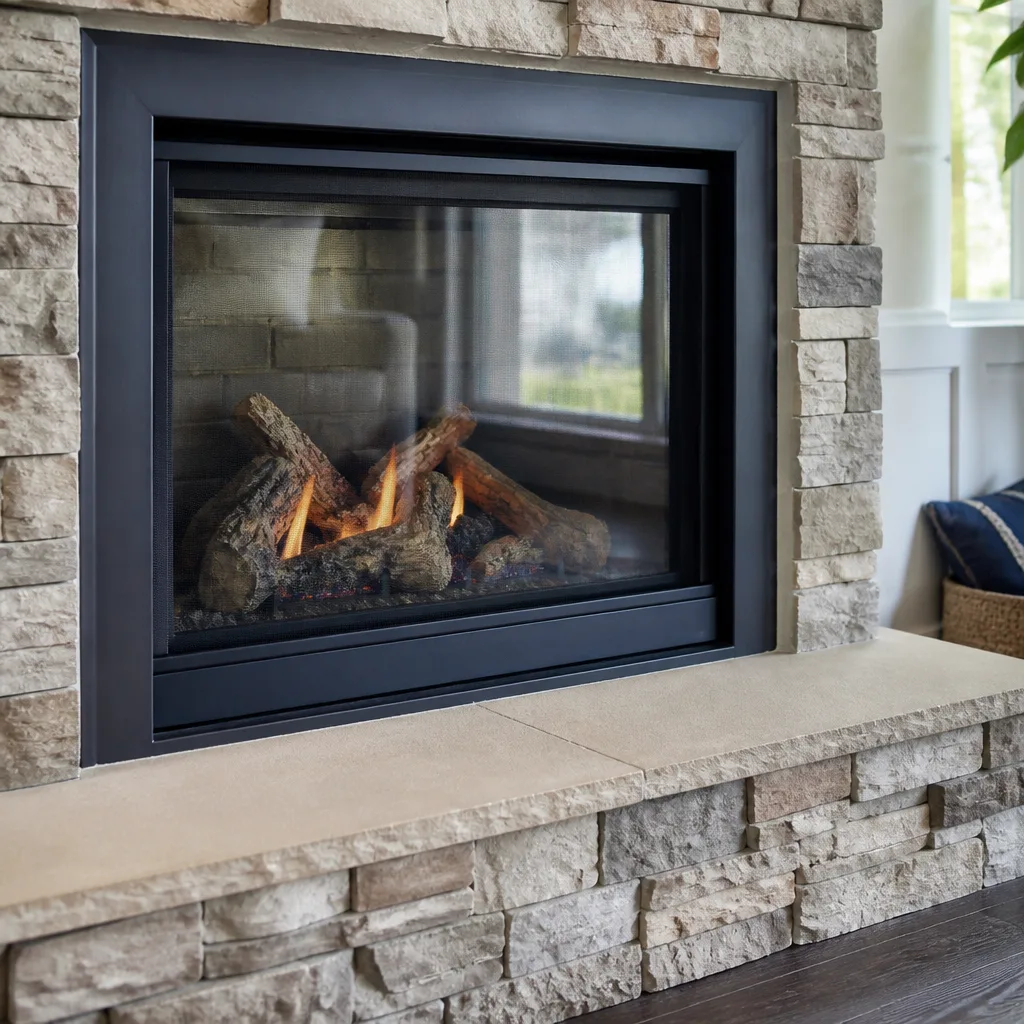 Gas fireplace service
Level 1 sweep and inspection to the NFPA 211 annual standard - flue, crown, cap, and flashing checked and photographed
Chimney sweep logs do not sweep chimneys. They loosen some creosote - which then falls where a brush and vacuum still have to collect it.
Choosing the Right Chimney Cleaning Brand: A Buyer’s Guide for Midland
When a chimney company says they’re using “high-temperature mortar,” that phrase covers everything from a $12 hardware-store tube to a Portland-based hydraulic cement rated for 2500°F continuous exposure. Only one of those belongs inside a firebox. Most homeowners never ask which one they’re getting, because the conversation usually stays on price and scheduling, not on the materials that actually sit between a fire and the framing of the house. That’s the gap this guide closes. We’re going to name the real brands used in professional chimney work, explain what separates contractor-grade from consumer-grade, and give you the material questions to ask before you agree to any job in Midland. You’ll finish knowing how to read a liner spec, spot a cheap cap, and tell a spray-on creosote treatment from a real chemical one.
Quick Answer
The right chimney cleaning brand isn’t one company name; it’s a set of trade-grade products used correctly for each part of the system. For liners, look for UL-listed stainless systems like DuraFlex. For flue restoration, HeatShield ceramic resurfacing. For caps and venting, Gelco, Olympia Chimney, Famco, and Copperfield. In Midland, temperature swings and blowing caliche dust make elastomeric crown coatings and heavy-gauge caps the right spec, and a professional should be able to show you the packaging and UL listing for every product they install.
Styles & brands we work with
- Sweep & inspection
- Caps & crowns
- Flue relining
- Masonry repair
- Gas fireplace service
Table of Contents
- Why Chimney Brands Matter More Than You Think
- Chimney Liner Brands: What the UL Listings Actually Mean
- Cap and Cover Brands for Midland’s Wind and Dust
- Creosote Removal Products: Rutland vs ACS
- Crown Coat and Repair Products in a Swinging Climate
- How to Verify a Contractor Is Using What They Claim
- Ten Questions to Ask Before You Book
- Common Mistakes to Avoid
Why Chimney Brands Matter More Than You Think
Most people shopping for a chimney sweep are buying a service, not a product. They assume whatever goes inside the flue is standard and interchangeable. It isn’t. Two companies can quote the same job at very different prices because one is installing a flexible stainless liner from a recognized trade manufacturer and the other is improvising with generic components. The homeowner sees a clean chimney and a working fireplace either way, until the difference shows up years later.
Brand lineage is one of the few honest signals you get in this trade. When a company works exclusively with names like DuraFlex, HeatShield, Gelco, Olympia Chimney, Famco, and Copperfield, it tells you something concrete: they source through the supply chain professional chimney contractors use nationwide, not through whatever’s on the shelf at a big-box store. Those brands exist because installers demanded components that hold up to real firebox temperatures and real weather. A generic cap and a Gelco cap look similar from the driveway. They don’t perform the same after a decade of West Texas sun and wind-driven grit.
Here in Midland, the stakes are specific. Our dry air and wide day-to-night temperature swings put stress on every exterior component on a chimney, and the dust that rides in on spring winds finds every seam that isn’t properly sealed. Materials that would coast through a mild coastal climate get worked harder here. That’s why we lean on trade-grade products rather than consumer substitutes: the local climate doesn’t forgive shortcuts, so the materials have to be right the first time.
What “contractor-grade” actually means
- Tested to a standard: Listed products carry a UL or equivalent certification, with a number you can verify.
- Rated for continuous exposure: Temperature ratings for continuous service, not just a peak that’s reached once.
- Consistent formulation: The same batch of HeatShield or DuraFlex performs the same way, job after job.
- Documented: A real product has a spec sheet. A generic product has a label.
- Distributed through trade channels: Available to professional contractors who install it to manufacturer spec.
Chimney Liner Brands: What the UL Listings Actually Mean
A chimney liner is the stainless steel or clay passage that carries smoke and gases from the firebox to the top of the flue. When it’s cracked, deteriorated, or missing, the chimney can’t safely vent, and a fireplace that looks fine can be unusable. The good news is that a compromised flue doesn’t automatically mean thousands of dollars of masonry work. Modern flexible stainless liner systems let a professional reline the chimney from the top down, often without touching the exterior.
This is where brand matters most. Flexible stainless liners are sold under different brand families and each carries its own UL listing. In the trade the familiar names include DuraFlex and systems like Flex-King and HomeSaver Pro, each with its own listing documents. That UL listing number isn’t paperwork for its own sake. It’s the certification that the liner meets a recognized safety standard for the application it’s installed in. An inspector, an insurer, or a future buyer can look up that number. A liner with no listing is a liner no one can vouch for. In our experience, this is the single most important document in a relining job, and the one homeowners almost never ask to see.
Why listings differ from brand to brand
Each manufacturer tests its product to a standard and gets it listed for specific uses: solid fuel, gas, oil, or a combination. A liner listed for one application may not be listed for what’s actually in your chimney. That’s why a professional reads the listing before choosing the liner, not after. We reline with DuraFlex because it’s a recognized professional standard with clear listing documentation, and because we can show the homeowner the spec before we install anything. Some companies that only sweep will simply tell you the chimney needs a new liner and turn the job over to someone else. We handle both the Chimney Sweep Midland sweep and the reline, so the fireplace doesn’t sit unusable while you line up a second contractor.
If a flue is only moderately deteriorated, full relining may not even be necessary. That’s where HeatShield comes in, and we’ll get to it in the crown section, because it changes the calculus.
Cap and Cover Brands for Midland’s Wind and Dust
A chimney cap does more than keep rain out. It keeps birds, squirrels, and blowing debris from nesting in the flue, and it keeps sparks off the roof. On a West Texas chimney it also takes a beating from wind and airborne grit. The cap is the most exposed component on the whole system, and it’s the one most often replaced with the cheapest thing available. That’s a mistake that shows up fast in Midland. Galvanized steel, the cheapest option, degrades faster here than most places because of our sun exposure and the abrasive dust carried on the wind. A heavy-gauge stainless or copper cap lasts years longer for a modest difference in material cost.
The brands worth knowing in caps and dampers are HY-C, Gelco, and Lyemance. HY-C makes a range of caps and covers. Gelco produces damper hardware and top-mount components, and we use Gelco products for cap and cover installation. Lyemance is known for its top-sealing damper design, which seals the flue from the top rather than relying on a metal throat damper that may be warped or missing. Each serves a different job, and a professional will match the cap to your flue size, your appliance, and the wind load the chimney actually sees.
Access to products through Olympia Chimney and Famco means a stocked operation. When we install a cap and cage or a top-sealing damper, we’re not waiting weeks on a special order while your flue sits open. One call covers the dryer vent cleaning and the chimney cap, which matters more than it sounds when equipment ages and the chimney cap starts rusting or the dryer vent clogs. It’s the same visit, the same specialist, and one documented report of everything that’s venting out of your house.
What to look for in a chimney cap
- Material: Stainless steel or copper over galvanized for a climate with strong sun and wind-driven dust.
- Gauge: Heavier steel resists denting from wind-blown debris.
- Fit: A cap bought by flue dimension, not one that “roughly fits.”
- Gasket or seal: Proper gasket material keeps moisture out of the flue crown.
- Cage: A spark-arresting screen sized to the flue so it doesn’t load up with creosote or lint.
Creosote Removal Products: Rutland vs ACS
Creosote is the residue left behind when wood burns. It accumulates on the flue walls in three stages, and the stages matter because they respond to different treatments. Stage one is light soot and flaky residue that a brush removes. Stage two is a hardened, glossy deposit that a brush alone struggles to strip. Stage three is the thick, glazed, tar-like layer that fully blocks a flue and is a genuine fire hazard. Most chimneys in regular use get swept before stage three, which is the point of sweeping on a regular schedule: remove the deposits before they harden into something a brush can’t handle.
When the buildup is stage two, chemical creosote removers are the trade’s tool. Rutland makes a range of creosote treatment products, including powders that are burned in the fire and sprays applied to the flue walls. ACS (Anti-Creo-Soot) is a liquid catalyst product used as a spray. The two work differently. A product like ACS is applied as a spray and acts chemically on the deposit over time, changing the crusty glaze into something a brush can remove on the next sweep. Powder treatments are added to the fire and react in the flue as gases rise. Both have a place, and neither is a substitute for mechanical sweeping. The mistake is treating a spray treatment as a one-and-done fix. It softens the stage two deposit; it still has to be swept out.
When spray application isn’t enough
Some deposits won’t yield to a chemical treatment. When a flue is glazed at stage three, spray application isn’t going to loosen it, and a brush can polish it rather than remove it. The real answer is mechanical removal by a trained technician, sometimes using rotary tools, and in the worst cases the flue is beyond cleaning and relining is the safer path. This is exactly the kind of call that should be made on camera evidence, not on a verbal assessment. In our experience, that’s where homeowners feel most exposed: they’re being told they need thousands of dollars of liner work they have no way to verify for themselves. Our answer is that nothing gets recommended without a camera inspection and a photo report you can look at with your own eyes. If the flue can safely wait a season, we say so.
Crown Coat and Repair Products in a Swinging Climate
The crown is the concrete cap on top of the chimney, and it’s the first line of defense against water getting into the masonry. A cracked crown lets water into the brick and the mortar joints, and over time that water turns into a masonry repair bill far larger than the crown. In Midland, the crown is worked hard because the temperature swings widely between day and night and across the seasons. Rigid materials expand and contract, and over years that movement opens small cracks that grow.
This is where the spec matters. CrownCoat and similar elastomeric coatings flex with the movement instead of cracking. A Portland-based hydraulic cement mix, while excellent for repair of a spalled crown or a rebuild, is rigid; it can crack again under the same movement it cracked under the first time. For a crown that’s structurally sound but showing surface cracks, an elastomeric coating is the right spec. For a crown that’s broken into pieces or pulling away from the flue, a rebuild with hydraulic cement or a cast crown is the correct answer. The two aren’t interchangeable, and a company that only stocks one will recommend it for every job.
How HeatShield changes the picture
HeatShield is a ceramic resurfacing product applied to the inside of a clay flue. Where a flue is deteriorated but not collapsed, HeatShield can restore the flue surface to a smooth, sealed passage instead of relining the whole chimney. This is the “restore before you replace” middle option, and it’s the one most sweep-only companies can’t offer because they aren’t certified to apply it. Companies that must turn away deteriorating flue liner jobs simply don’t have this option. We’re certified to apply HeatShield, which means we can genuinely evaluate each flue and recommend the least invasive fix that will actually work.
That evaluation is not a sales line. A flue that’s a good candidate for HeatShield gets restored. A flue that isn’t gets a DuraFlex liner. A flue that can safely wait gets the honest answer that it can wait. The written estimate sets the final price, and the estimate itself is free.
How to Verify a Contractor Is Using What They Claim
You don’t need a background in the trade to check whether a company is installing what they say. You need three habits, and they take about five minutes. The first is asking to see the packaging on the day of the work. The second is checking the UL listing number on the product against the listing documents. The third is asking for the material spec sheet for anything that goes inside the flue. A company that uses trade-grade products is happy to show you all three. A company that doesn’t have them will change the subject.
Five steps to verify material quality
- Ask for the product name before the job. “What liner are you installing?” should get an answer like “DuraFlex,” not “a good stainless liner.”
- Look at the packaging on site. Brands are printed on the boxes and the core. Note what you see and compare it to what you were quoted.
- Ask for the UL listing number. It appears on the product and in the manufacturer’s documentation. The listing is tied to the specific application.
- Request the material spec sheet for a liner or crown job. It’s a one- or two-page document listing the material, its temperature rating, and the standard it meets. If the contractor can produce one, you’re working with a professional.
- Ask what happens to the old parts. A cap that’s being replaced is evidence. If the old cap was thin galvanized and rusted through, it tells you exactly why the replacement should be heavier gauge.
One more habit: read the written estimate before you agree to anything, and insist that it lists the specific products, quantities, and prices. A flat, itemized estimate is the reason the price is the price. Anything vague leaves room for the materials to quietly change once the job is underway.
Ten Questions to Ask Before You Book
Keep these on your phone. They take a two-minute phone call to ask, and the answers tell you most of what you need to know before anyone steps on the roof.
- What specific product brands do you install for liners, caps, and crown repair?
- Do you provide a camera inspection and a photo report of the flue before recommending work?
- Can you show me the UL listing for the liner you’re quoting?
- How do you decide between a full reline and a resurfacing like HeatShield?
- What’s the written estimate, itemized by product and labor, and is it free?
- What happens to a flue that only needs sweeping and not repair?
- Do you clean dryer vents as well as chimneys?
- What evidence would justify liner work, and what evidence would justify waiting?
- What’s the process for sealing a crown, and will you use an elastomeric coating or a rigid mix?
- What does the guarantee on the installation cover, and in writing?
If a company can’t answer questions one through four with specifics, that’s your answer. There are good companies and less careful ones in any market, and the material questions separate them faster than anything else.
Common Mistakes to Avoid
- Buying the service, not the materials. Most homeowners never ask what’s being installed, which is exactly how generic products end up in a flue. Ask the brand question first, then talk price.
- Accepting a galvanized cap in Midland. Sun and wind-driven dust chew through thin galvanized faster here than in mild climates. Stainless or copper is the right spec and the modest upcharge pays back in lifespan.
- Treating spray creosote remover as a substitute for sweeping. Chemical treatments soften stage-two deposits; they still have to be brushed out. If someone tells you a spray is a one-time fix, that’s not how the chemistry or the trade works.
- Letting a crown crack go uncoated. A rigid patch on a moving crown fails again in a season or two. An elastomeric coating like CrownCoat is the correct spec for surface cracks; save the rigid mixes for actual structural repair.
- Approving a reline without camera evidence. The photo report is the whole point. If you can’t see the flue for yourself, you don’t have a reason to agree to the work.
- Booking the chimney and putting off the dryer vent. Both are combustion-exhaust and airflow safety systems, and a clogged dryer vent is a leading residential fire cause. One specialist can handle both in a single visit.
- Skipping the spec sheet on a liner. The listing number is the record that the liner was tested for what’s in your flue. Without it, no one can look it up later.
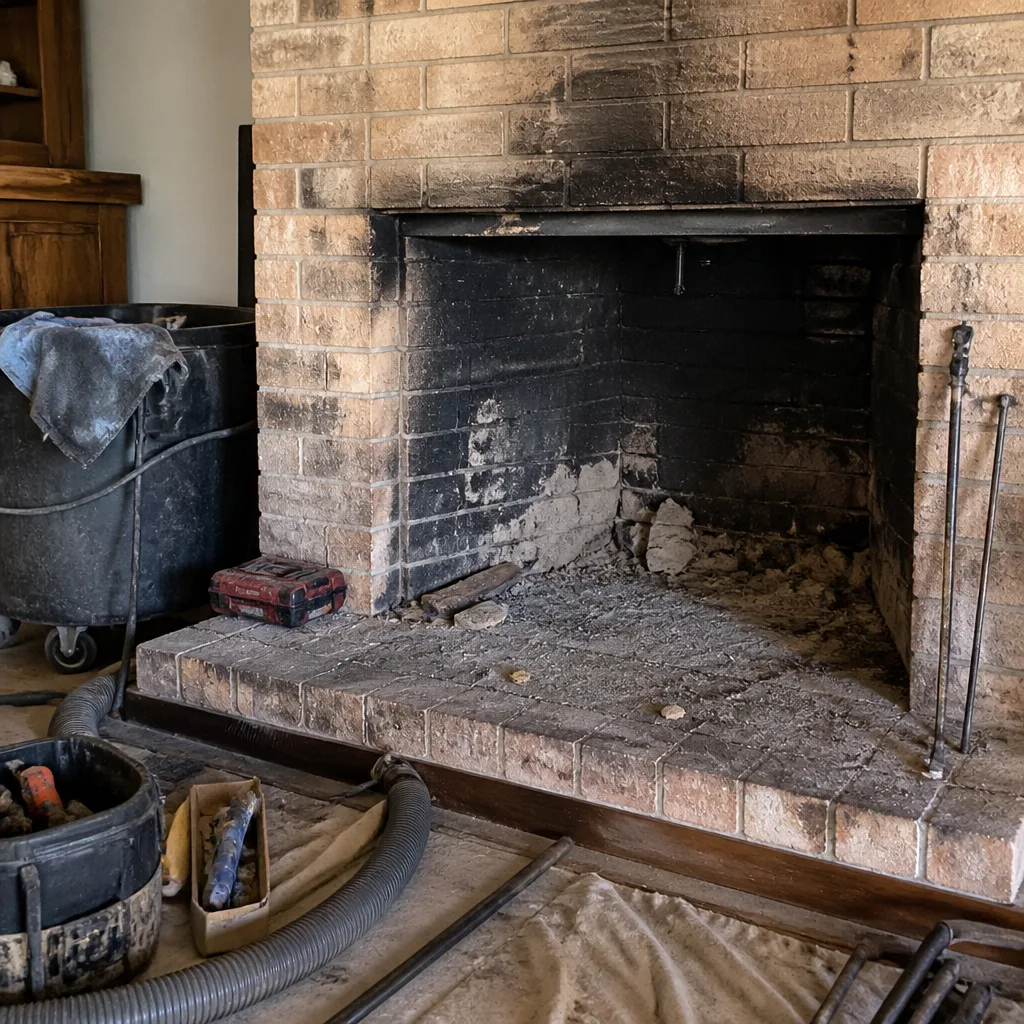
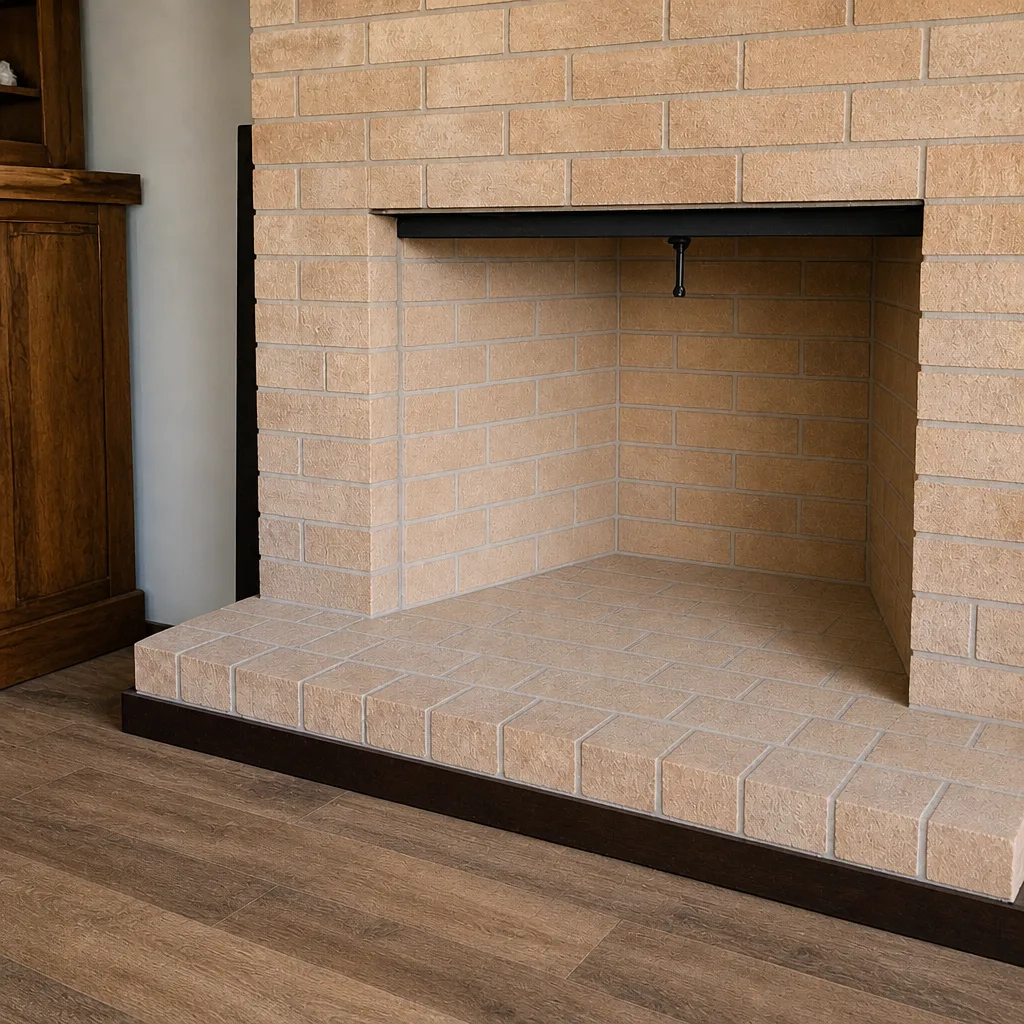
See the difference
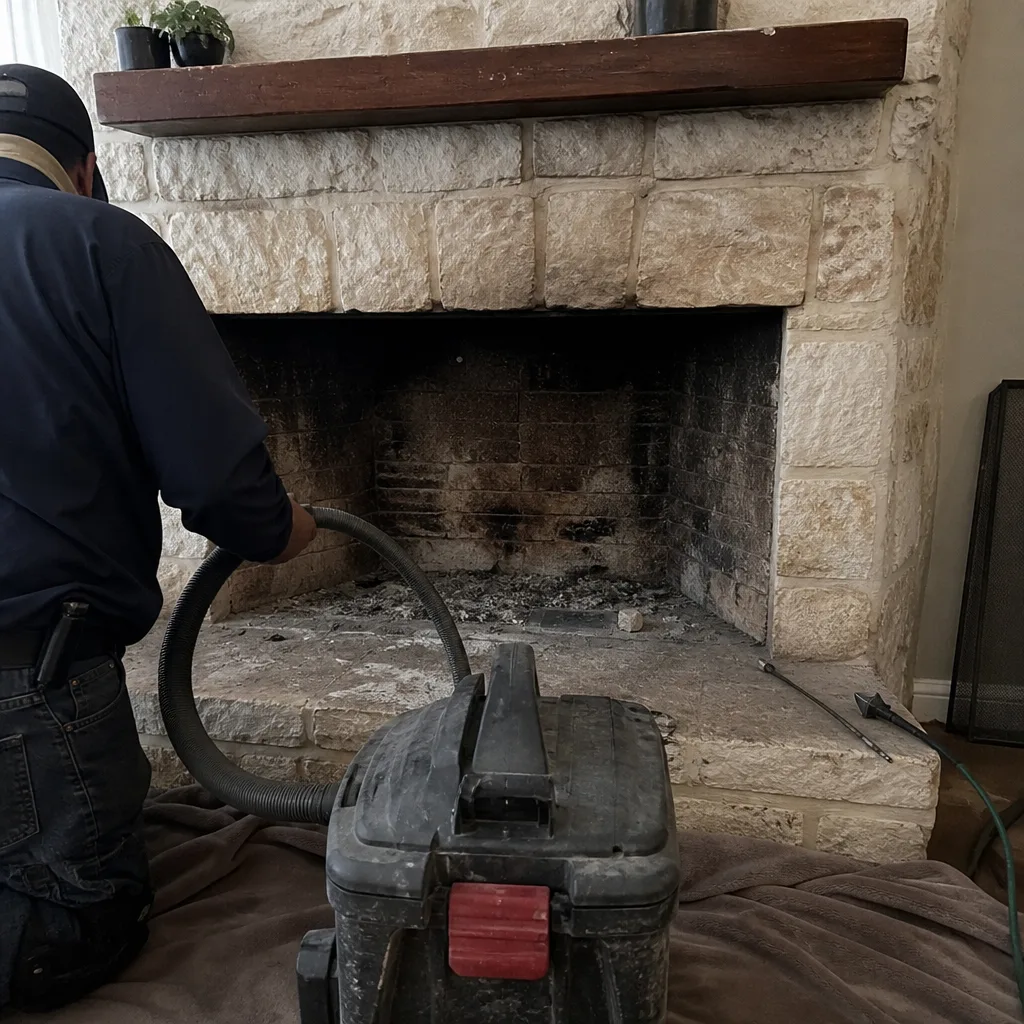 Before
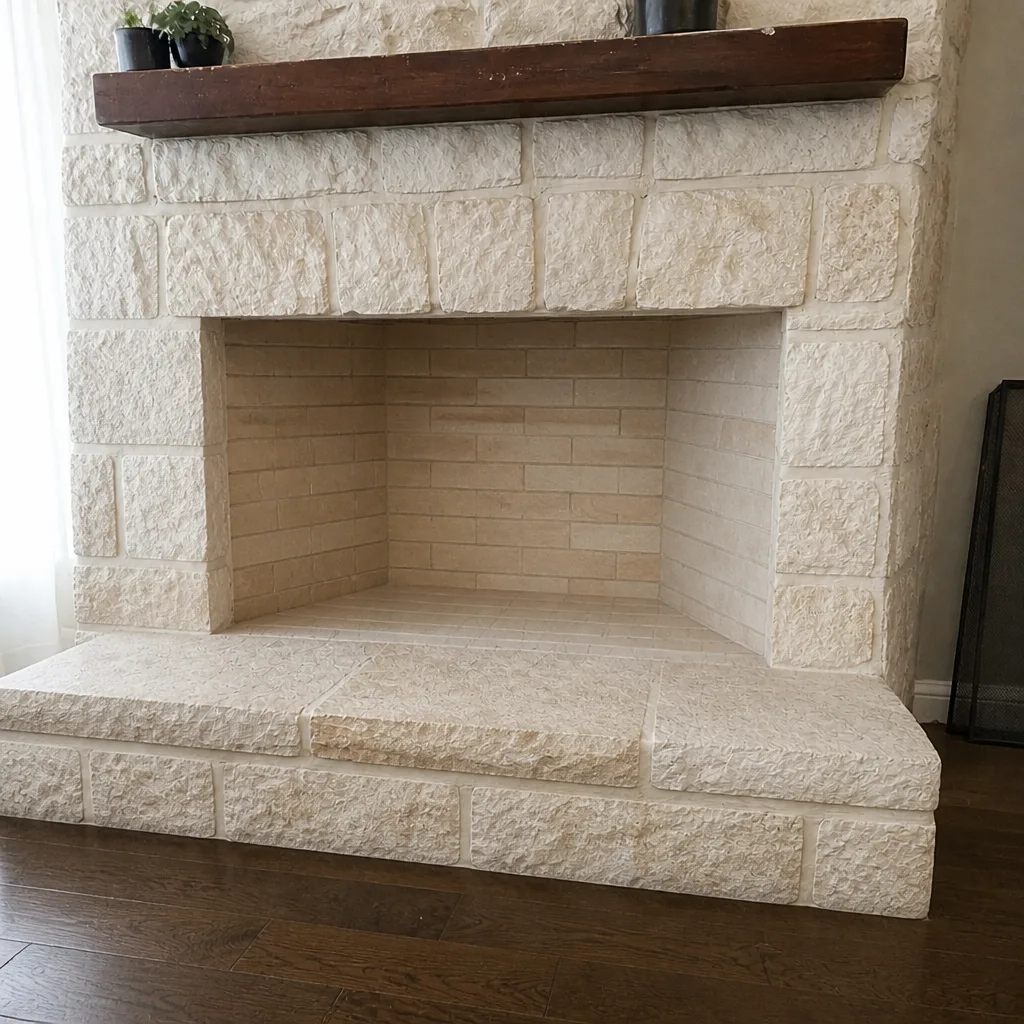 After
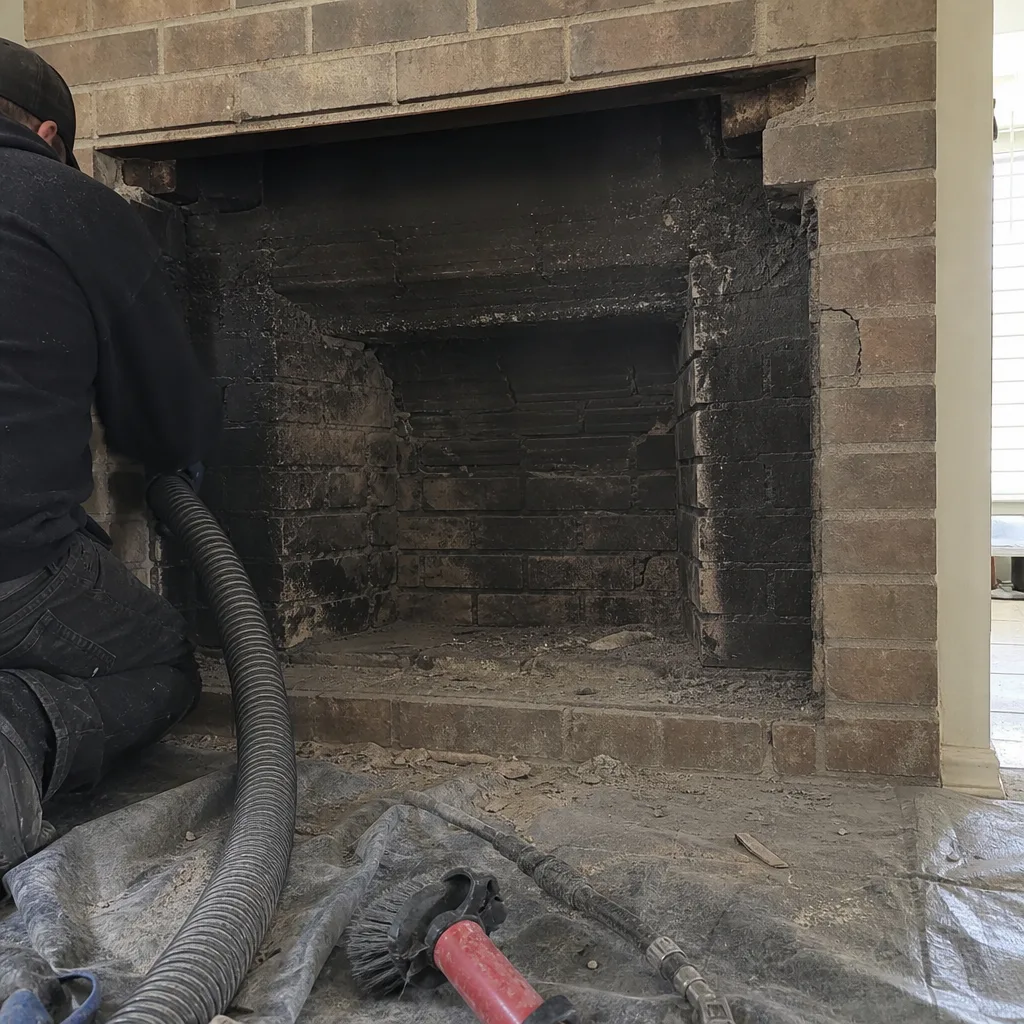 Before
 After
 Before
 After
When to Call a Professional
Some chimney work is routine, and some of it is genuinely dangerous. If your fireplace or wood-burning insert gets regular use, booking a sweep before the start of the burning season is the baseline. When you hear anything from the firebox that doesn’t sound right, or smell a strong creosote odor in warm weather, get a camera inspection. If the firebox has cracks, the liner is visibly compromised, or a previous sweep flagged a problem that wasn’t resolved, don’t burn until a professional has evaluated it. High-tension components, gas-fired appliances, and anything involving roof-height work all belong with a trained technician, not a homeowner on a ladder. Chimney Sweep Midland offers free estimates in Midland. Call (866) 942-7865 to book a camera inspection and a photo report you can look at yourself. We answer 24/7. Fast dispatch from 7am to 7pm, Sunday through Friday.
Frequently Asked Questions
The brands a professional chimney company actually stocks tell you a lot: DuraFlex for flexible stainless liners, HeatShield for ceramic flue resurfacing, Gelco and Olympia Chimney for caps and venting components, Famco and Copperfield for venting hardware. In Midland, the right spec also includes elastomeric crown coatings rather than rigid Portland mixes, because our temperature swings crack rigid surfaces. Call (866) 942-7865 for an exact quote on your chimney.
You need a new liner only when the existing flue can’t safely vent, and that call should be made on camera evidence you can see. Ask for the photo report and the camera inspection findings before you agree to any relining. A flue that’s deteriorated but not collapsed may be a better candidate for HeatShield resurfacing than a full reline, and a flue that can safely wait a season should be told so. Call (866) 942-7865 for a free estimate.
Most chimneys in regular use should be swept once a year, before the burning season, and inspected at the same time. Chimneys that see heavy use or burn unseasoned wood may need it more often. The right cadence depends on what the camera finds, which is why a real inspection beats a scheduled guess. Call (866) 942-7865 to book yours – estimates are free.
Creosote is a genuine fire hazard once it builds to a hard, glazed stage, because it ignites inside the flue and burns at temperatures the masonry wasn’t built to handle. Regular sweeping keeps deposits below that stage, which is the entire point of the schedule. Chemical treatments like Rutland or ACS soften hardened deposits but never replace the sweep itself. Call (866) 942-7865 for an inspection and a straight answer about your flue.
A clogged dryer vent is a leading residential fire cause, and it’s the same class of risk as a dirty chimney: both are exhaust systems that carry heat and combustion byproducts out of your home. Dryer vent cleaning removes the lint that builds up in the run, restores airflow, and makes the dryer safer and more efficient. It’s part of the same visit as a chimney sweep. Call (866) 942-7865 to book the pair.
Ask what specific product brands they install, whether they provide a camera inspection and photo report, and whether they can show the UL listing and spec sheet for anything going inside the flue. Also ask how they’d decide between a reline, a HeatShield resurfacing, and a simple sweep. A company that uses trade-grade materials will answer all four without hesitation. Call Chimney Sweep Midland at (866) 942-7865 for a free estimate on your Midland chimney.
The Bottom Line
The chimney brand that matters isn’t usually the company name on the truck. It’s the brand of liner, cap, coating, and venting component that ends up in your chimney or your dryer vent run. Contractor-grade products like DuraFlex, HeatShield, Gelco, Olympia Chimney, Famco, and Copperfield are the reason a job holds up through Midland’s sun, wind, and temperature swings, and the UL listing and spec sheet are the reason you can verify what you were sold. Regain control of the buying decision by asking the material question first and the price question second. Nothing should be recommended without camera evidence and a photo report you can see with your own eyes, and the written estimate sets the final price. That’s a fair standard for any Midland homeowner to hold a contractor to.
Ready to book a camera inspection? Call (866) 942-7865 for a free estimate. We answer 24/7. Fast dispatch from 7am to 7pm, Sunday through Friday. Chimney Sweep Midland has been serving Midland since 2011, and trades in trade-grade materials so the job is done once and done right.
Written by the team at Chimney Sweep Midland, serving Midland since 2011.