
Last updated November 14, 2026
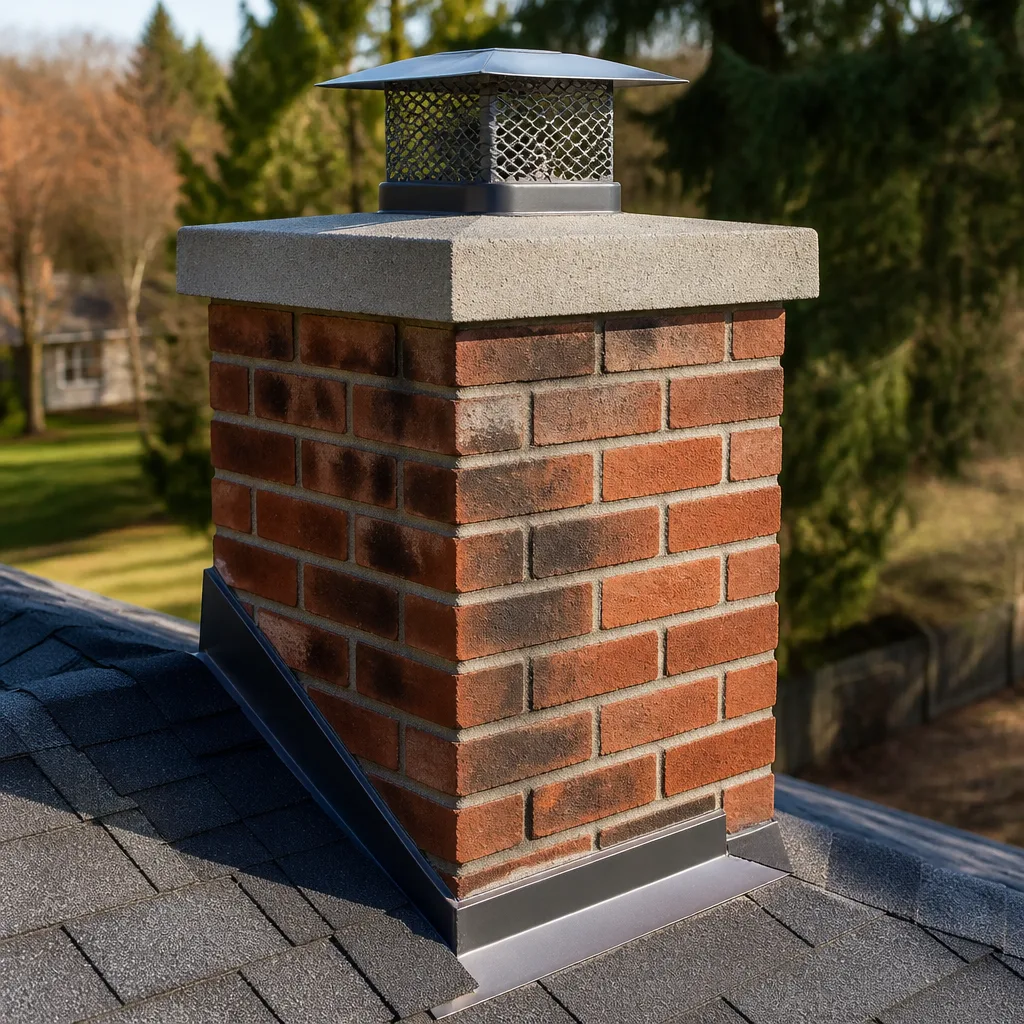 Sweep & inspection
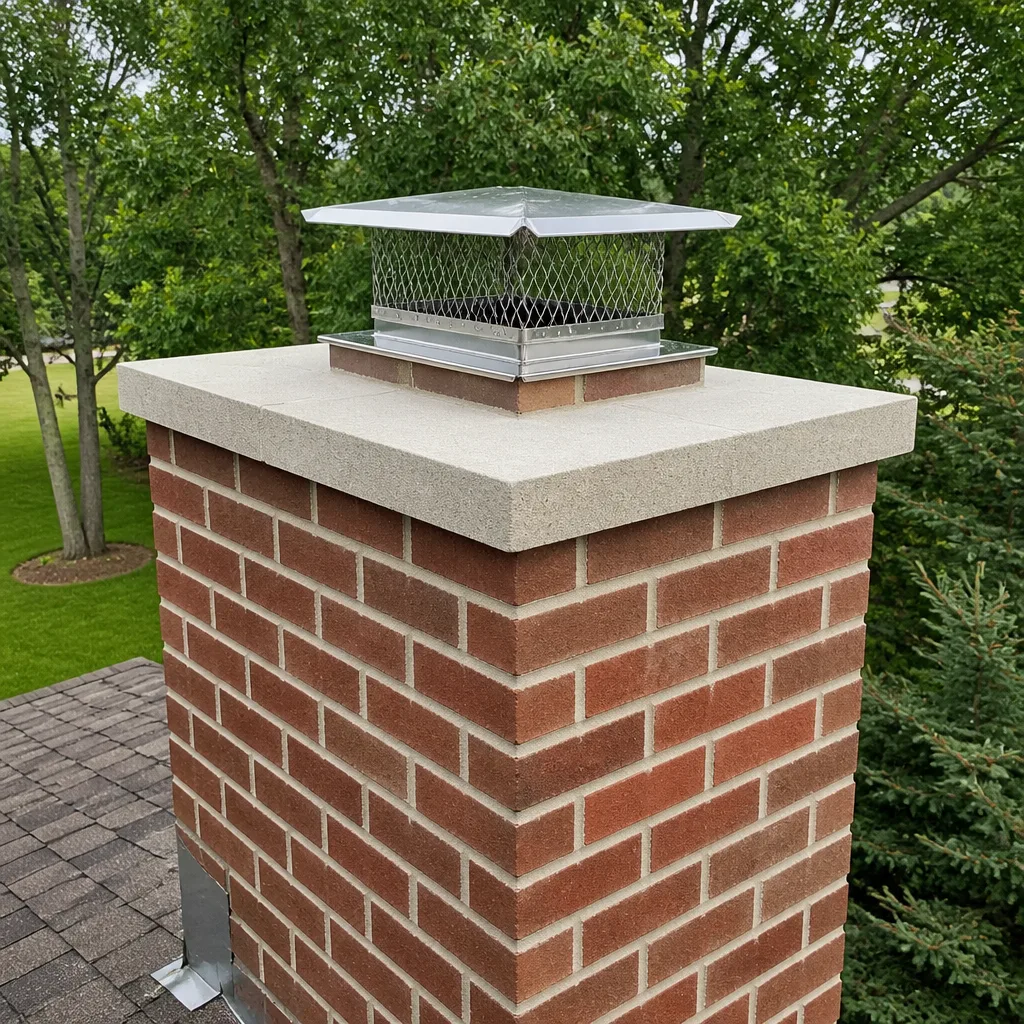 Caps & crowns
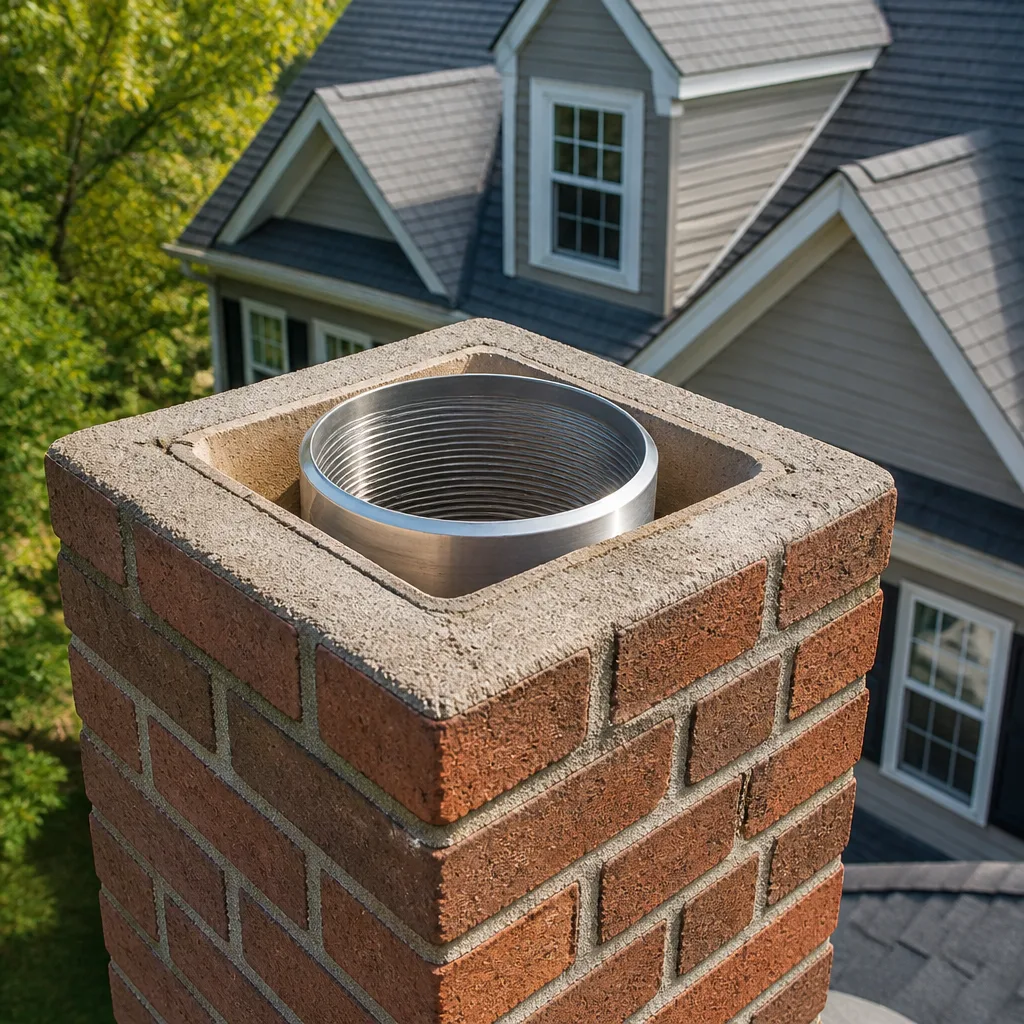 Flue relining
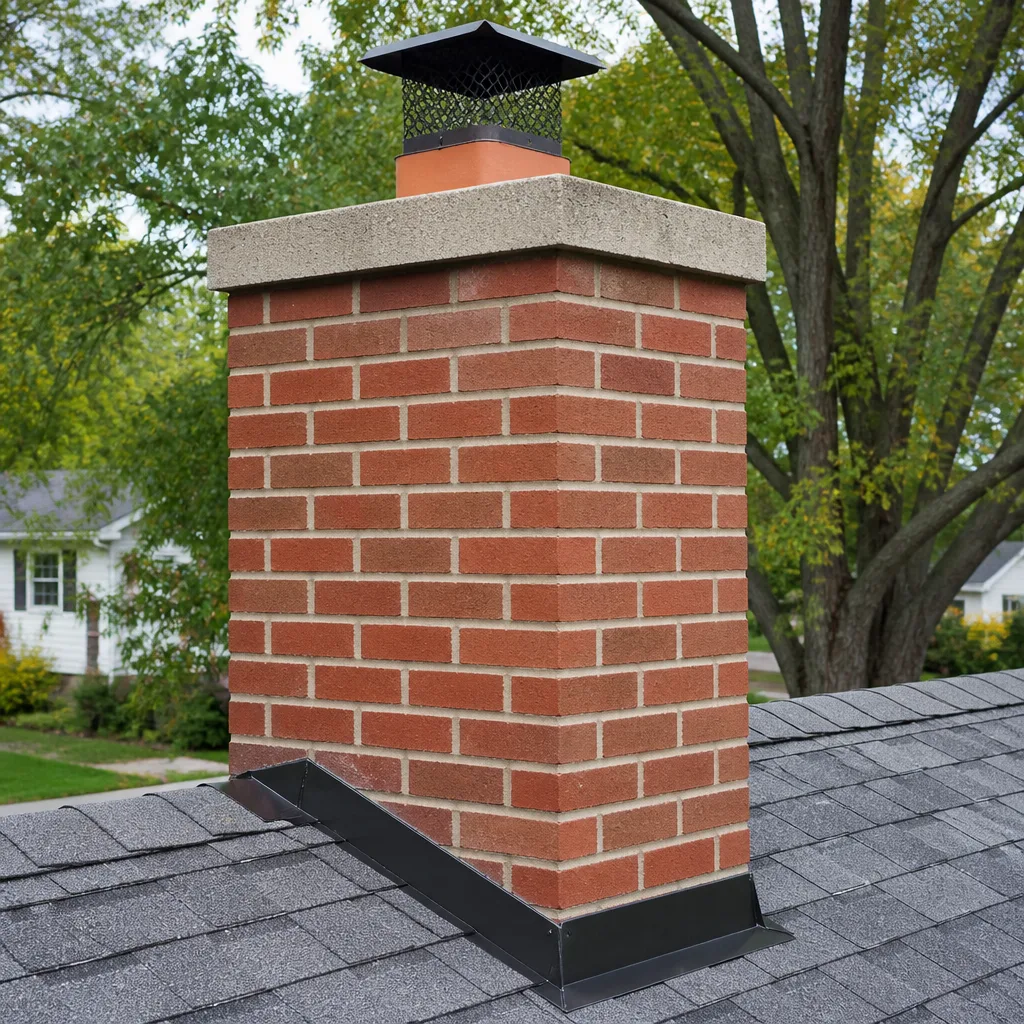 Masonry repair
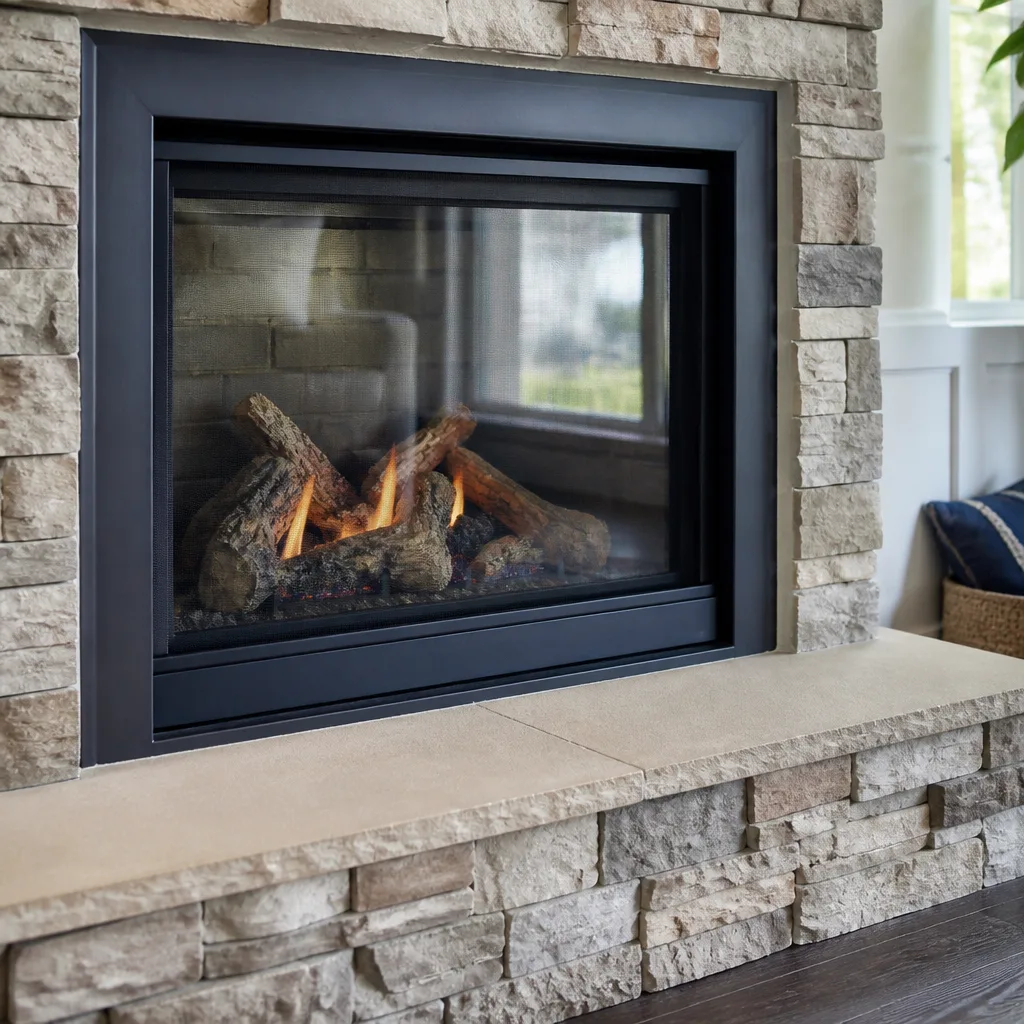 Gas fireplace service
Level 1 sweep and inspection to the NFPA 211 annual standard - flue, crown, cap, and flashing checked and photographed
Chimney sweep logs do not sweep chimneys. They loosen some creosote - which then falls where a brush and vacuum still have to collect it.
How to Hire a Chimney Cleaning Contractor in Midland: A Step-by-Step Guide
The cheapest sweep is rarely the least expensive decision. In Midland, several contractors clean chimneys and several clean, inspect, and document their findings with contractor-grade materials, and the spread between the two bids is usually $40 to $80. That gap looks small on paper. But what you’re actually paying for is the difference between a sweep who brushes what’s visible and one who checks the flue liner, tests the cap, and tells you in writing what condition your system is actually in. A bad brushing job doesn’t just leave creosote behind. It can scratch a clay liner and accelerate the very damage the sweep was called out to prevent.
This guide walks you through what to ask, what to check, and what a written estimate should look like before you book anyone for chimney work in Midland.
Quick Answer
Hire a chimney cleaning contractor in Midland by confirming four things before booking: the technician’s actual certification (CSIA Certified Chimney Sweep or NFI credentials), the inspection level included in the price, the specific materials they stock for repairs, and their liability insurance details. Ask for a written estimate with separately itemized line items – cleaning, inspection level, cap and crown evaluation, and any repair quote – and never accept a verbal quote for repair work. The right contractor leaves written documentation of what they found, not just a cleaned flue.
Styles & brands we work with
- Sweep & inspection
- Caps & crowns
- Flue relining
- Masonry repair
- Gas fireplace service
Table of Contents
- What chimney certifications actually certify – and what they don’t
- The five questions to ask before booking
- Red flags unique to the Midland market
- How to read a chimney cleaning estimate
- Inspection levels: what you’re paying for
- Why the materials on the truck matter
- Bundling chimney and dryer vent under one contractor
- What a proper sweep visit looks like
What Chimney Certifications Actually Certify – And What They Don’t
A certification is the starting point, not the finish line. Homeowners in Midland often hear “CSIA certified” and assume that covers liner installation, crown repair, and dryer vent work too. It doesn’t. Each credential covers a specific scope, and understanding the boundaries tells you which follow-up questions to ask.
The CSIA Certified Chimney Sweep credential tests a technician on chimney system fundamentals, codes, and sweeping practice. It signals that the person doing the brushing understands how a flue is built. But it does not license them to install liners, resurface a damaged flue, or work on gas appliances unless they hold separate manufacturer training. When a company says “CSIA certified,” ask whether the person arriving at your door actually holds the credential, or only the owner on paper.
NFI credentials cover gas and wood appliance installation and venting. If your fireplace has a wood-burning insert or a gas log set, that scope matters. A sweep who only handles traditional masonry fireplaces may not be current on insert clearances or gas venting requirements.
What certifications don’t cover, but should matter to you:
- Material-specific training. HeatShield ceramic resurfacing and DuraFlex liner systems require manufacturer-recognized installation training. A sweep who isn’t trained on these products will recommend a full reline when a resurfacing job would have been appropriate, or the reverse.
- Liability insurance specifics. A certification doesn’t verify insurance. Ask separately.
- Documentation standards. Nothing in a certification tells you whether the contractor will hand you a written report with photos. That’s a company practice, not a credential.
- Local code familiarity. Midland follows Texas and local codes for chimney construction and clearances. Ask whether the contractor routinely works with the local permitting office when structural repair is involved.
Use credentials as a filter, not a guarantee. Then ask the questions that credentials can’t answer.
The Five Questions to Ask Before Booking
These five questions separate a specialist from a generalist faster than any review or website claim. Ask them on the phone before you book. The answers tell you almost everything.
- “What liner materials do you stock?” A qualified chimney contractor carries or can quickly source specific professional liner systems – DuraFlex flexible liners, for example, or HeatShield resurfacing materials. A generalist who says “whatever the supply house has” isn’t stocked for the job. The contractor’s answer here tells you whether they can reline on the same visit if damage is found, or whether they’ll have to schedule a second trip while the chimney sits unusable.
- “What inspection level is included in the price?” A basic sweep usually includes a Level 1 inspection – visual check of accessible components. A Level 2 inspection uses a camera to examine the interior of the flue and is standard when you’ve changed fuel type, had a chimney fire, or purchased the home. Confirm which one you’re paying for before the technician arrives.
- “What documentation will I get afterward?” A proper contractor leaves a written report noting flue condition, cap and crown condition, any creosote buildup found (and what stage), and recommendations with photos where relevant. If the answer is “we’ll tell you what we found,” ask why not in writing.
- “What happens if you find damage during the job?” The right answer is: the technician stops, shows you the evidence, explains options, and gives you a written estimate before proceeding. The wrong answer is “we fix it while we’re there.” You need to see the damage yourself and approve the repair.
- “Can I see your liability insurance certificate?” Texas doesn’t require chimney sweeps to carry general liability insurance the way some trades are licensed, so ask for a certificate of insurance that names the company. If a technician damages a liner or causes smoke damage during a sweep, the insurance matters. A contractor who hesitates on this question is telling you something.
In our experience, a proper sweep operation answers all five without flinching. The ones who deflect on question two or question five are almost always the ones who quote $40 less and create $400 more in problems later.
Red Flags Unique to the Midland Market
Some red flags are universal. Others are specific to Midland, and they’re the ones homeowners here learn the hard way.
No HEPA-filtered vacuum on the truck
Midland sits on caliche and Permian Basin dust. It drifts through the air, settles in homes, and gets pulled into chimney work the moment a sweep opens a firebox door. A contractor without a HEPA-filtered shop vac will spread fine particulate through the room, the HVAC return, and every surface nearby. Ask on the phone: “Do you bring a HEPA-filtered vacuum?” If the answer is vague, look elsewhere. This is non-negotiable in Midland specifically because the ambient dust is already high, and a sweep without filtration makes the indoor air quality worse, not better.
Quoting without asking about fuel type
A wood-burning fireplace, a gas log set, a wood insert, and a pellet stove each require different sweeping technique and different inspection priorities. A contractor who quotes a price before asking what you burn is quoting blind. The right contractor asks about fuel first, then gives a range, then finalizes the price after seeing the setup.
No cap evaluation in the quote
Midland’s wind and dust load means chimney caps take a beating. A quote that doesn’t mention a cap and crown check is leaving out a component that matters here more than in calmer climates. A cracked crown or missing cap lets water and debris into the flue all year.
Pushing liner replacement before showing evidence
A deteriorating clay flue liner is a real problem, and HeatShield resurfacing or a DuraFlex reline may well be the right fix. But no honest contractor recommends a liner job before showing you camera footage or photos of the damage. If someone quotes a reline without evidence you can see, get a second opinion.
Cash-only, no written estimate
Chimney work is a service with liability attached. A contractor who won’t put the price or scope in writing isn’t set up to stand behind the job.
How to Read a Chimney Cleaning Estimate
A written estimate should be itemized enough that you can compare two bids line by line. When everything is rolled into a single number, you have no way to tell whether the $40 difference is the inspection, the vacuum, or the technician’s time. Here’s what should appear as separate line items.
- Cleaning. The sweep itself, specified for your appliance type and fuel.
- Inspection level. Level 1, Level 2 (with camera), or Level 3 (diagnostic, usually during a repair). The price should reflect which one.
- Cap and crown evaluation. A visual check of the chimney top and cap, noted separately so you know it happened.
- Any repair quote. If damage is found, the repair should be quoted separately with the materials named – DuraFlex liner, HeatShield resurfacing, Gelco cap, and so on. You approve the repair after seeing the evidence.
- Documentation. A written report and any photos should be noted, though typically this is included rather than itemized.
What should not appear: a hard number for liner replacement before the flue has been inspected, a “protective coating” fee that isn’t tied to a named product, or a bundle price that only makes sense if you agree before the technician arrives. Those are red flags in writing.
If you’re comparing a $180 bid to a $240 bid, look at what each one includes. The higher bid is often the one with Level 2 inspection, HEPA vacuum, and a written report. The lower bid is often a brush-and-go. Over a few seasons, the brush-and-go costs more in deferred repair.
Inspection Levels: What You’re Actually Paying For
The word “inspection” covers three different scopes, and the price reflects it. Knowing which level you’re buying prevents the surprise of finding out after the fact that nobody actually looked inside your flue.
| Level | What it covers | When it’s needed |
|---|---|---|
| Level 1 | Visual check of accessible components – firebox, damper, smoke chamber, flue from the top, cap, crown | Routine annual sweep; no changes to the system |
| Level 2 | Level 1 plus video camera inspection of the flue interior; checks for cracks, gaps, and offset joints | Fuel type change, new home purchase, after a chimney fire, or when a liner issue is suspected |
| Level 3 | Diagnostic – may require opening walls or removing components to inspect concealed areas | When Level 2 reveals damage that requires direct access to assess |
For most Midland homeowners on a yearly sweep, a Level 1 with a written report is sufficient. But if you’ve just bought a home, added an insert, or switched from wood to gas logs, ask for Level 2. The camera footage is what turns “I think the liner’s okay” into “here’s what it looks like.”
We do camera inspection as part of the visit when the situation calls for it, because the alternative is guessing. A vision of the flue should be part of any conversation about liner repair, and you should be the one who sees it first.
Why the Materials on the Truck Matter
Here’s the difference most homeowners don’t see: what a contractor stocks on the truck tells you what they can actually fix. A sweep-only business carries brushes and a vacuum. A contractor who stocks professional liner and repair materials carries the components that turn a diagnosis into a same-visit solution.
The brand names matter because they’re the same supply chain professional chimney contractors use nationwide. DuraFlex flexible liner systems are the professional standard for relining a clay flue that’s deteriorated or too large for the appliance. HeatShield ceramic resurfacing is the middle option – it restores a flue that isn’t compromised enough to require a full reline, which saves the homeowner the cost of a full replacement when resurfacing is appropriate. Gelco covers and caps, Olympia Chimney components, Famco venting – these are names a tradesperson recognizes and a homeowner can ask about by name.
When you’re vetting a contractor, ask: “If you find a cracked liner mid-job, can you reline it, or do I schedule a second visit?” If the answer is a second visit, the contractor isn’t stocked for repair. That’s fine for a cleaning-only business, but it means when something’s wrong, you’re hiring a different specialist. That’s the moment when the $40 you saved on the cleaning becomes $400 more on the repair – because the sweep who couldn’t reline had to refer you to someone who could, and the second contractor’s inspection costs money too.
One Midland contractor who stocks DuraFlex liners, HeatShield resurfacing, and Gelco caps under one roof can assess, clean, and repair in sequence. That’s the arrangement worth looking for.
Bundling Chimney and Dryer Vent Under One Contractor
The chimney and the dryer vent have more in common than most homeowners realize. Both are exhaust systems. Both move combustion byproducts or hot air out of the home. Both accumulate lint or creosote over time, and both are fire risks when neglected. Most importantly, both are frequently left off the annual maintenance list until something goes wrong.
Bundling the two under one contractor reduces liability gaps in a way that’s easy to miss. If a dryer vent clog causes a fire and the homeowner says “I had a sweep out last year,” the question becomes whether the sweep was asked to check the dryer vent. If the answer is no, the homeowner is left trying to prove they hired someone for one job and not the other. A contractor who cleans both – and documents both – closes that gap.
It also solves scheduling conflicts. One visit, one report, one point of contact if something’s found. When we handle dryer vent cleaning alongside a chimney sweep, the homeowner gets a single documented picture of the home’s exhaust systems, which is more useful than two separate reports that don’t reference each other.
The dryer vent side matters as a fire-safety service, not a chore. Lint buildup is one of the leading causes of residential fires, and a dryer vent that’s never been cleaned is a known risk. Treat it the same way you’d treat the chimney: on a schedule, not after a problem.
What a Proper Sweep Visit Looks Like
Once you’ve vetted and booked a contractor, here’s what the visit should involve. If any of these steps is skipped, ask why.
- Setup and protection. Drop cloths, a HEPA-filtered vacuum hooked up before the first brush touches the firebox, and a technician who knows where the smoke will go.
- Fuel and appliance check. A quick look at what’s burning, how the damper operates, and whether the insert or gas log set is properly clearanced.
- Sweep. Brushing from the top down or bottom up depending on the flue, with the vacuum running the whole time to catch the dust.
- Inspection. Visual check of the firebox, damper, smoke chamber, flue, cap, and crown – and camera footage if the level calls for it.
- Documentation. A written report with findings, photos where relevant, and any recommended repairs quoted separately.
- Debrief. A conversation at the end where the technician walks you through what was found and what (if anything) needs attention. A good one tells you what can safely wait.
When in doubt, ask for the report before you pay. A written record is what makes the next season’s comparison possible – you’ll know what the flue looked like last year and whether it’s changing.
Common Mistakes to Avoid
- Booking the cheapest bid without comparing scope. The $40 gap almost always reflects a Level 1 inspection versus a Level 2, or a HEPA vacuum versus a shop vac. Compare what’s included, not just the number.
- Assuming a certification covers everything. CSIA certification tests sweeping fundamentals, not liner installation or HeatShield resurfacing. Ask what the technician is specifically trained on.
- Skipping the written report. If the contractor doesn’t document what was found, you have no baseline for next year and no record if a repair turns out to be necessary. In Midland, where seasonal dust and wind make cap and crown condition worth tracking, that baseline matters.
- Letting the technician “fix it while they’re there” without a written quote. You should see the evidence and approve the repair separately. A mid-job repair without a quote is a red flag.
- Ignoring the dryer vent. Chimney and dryer vent share the combustion-exhaust and airflow responsibility in a home. Cleaning one and not the other leaves half the system unverified.
- Not asking about liability insurance before the visit. Texas doesn’t require chimney sweeps to carry general liability, so ask for a certificate. It’s the difference between a contractor who can stand behind the work and one who can’t.
- Booking on someone’s word that they carry the right liner for your flue. If the contractor can’t name the liner system they stock, they probably don’t stock one. That means a second visit if damage is found – and a second estimate.
See the difference
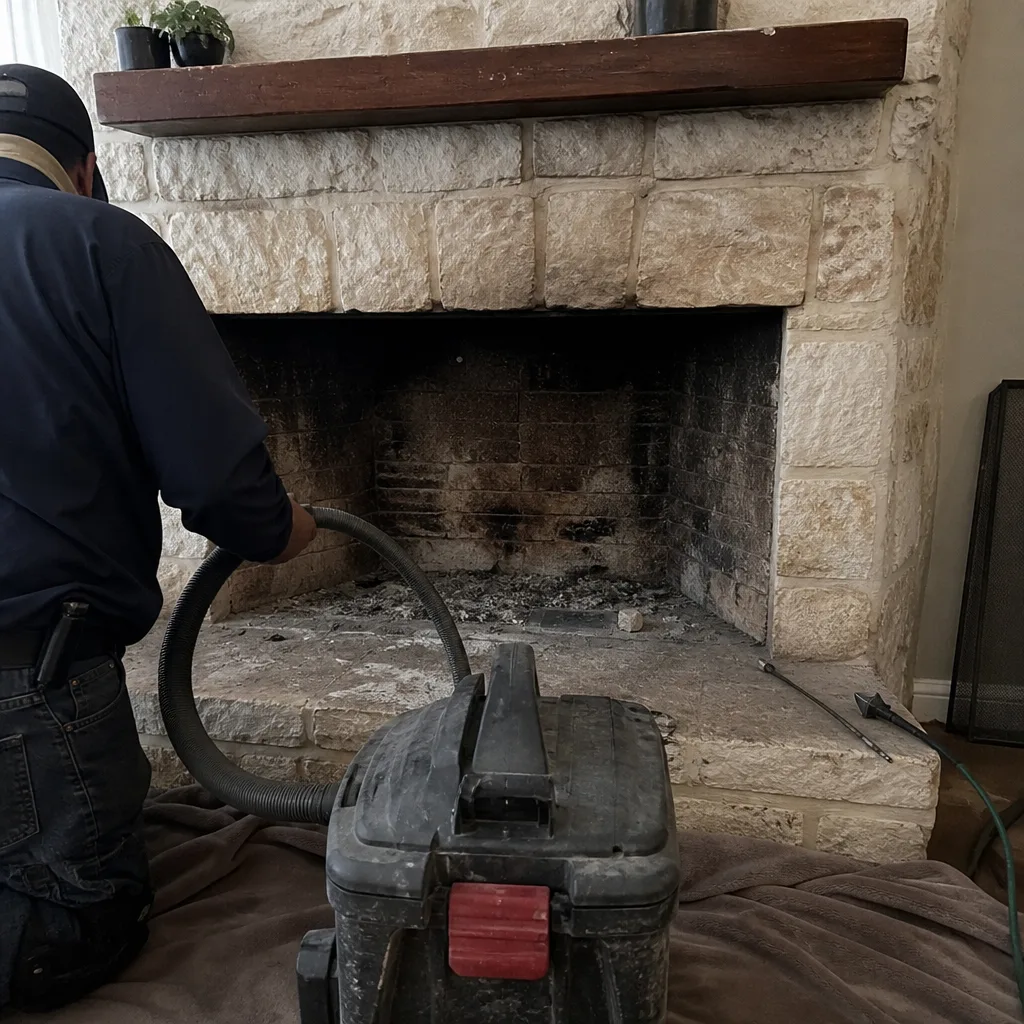 Before
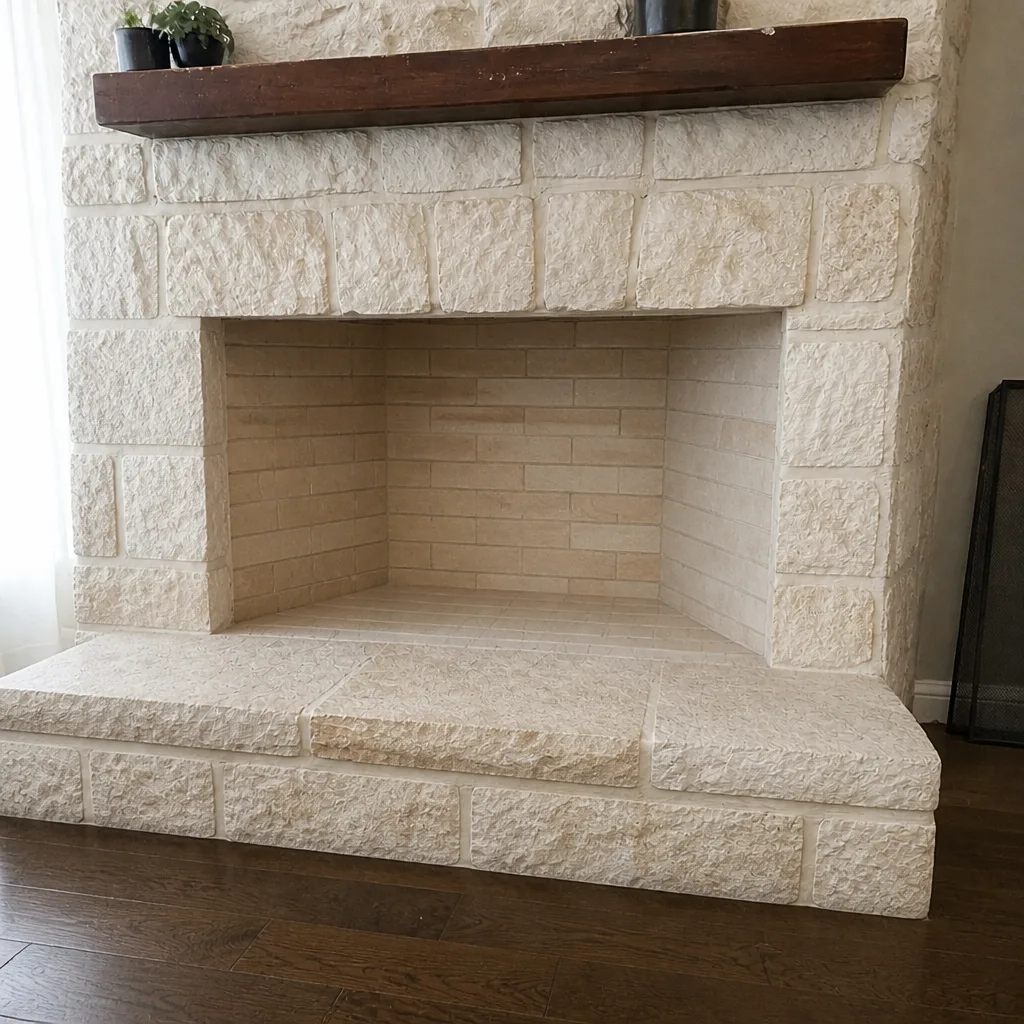 After
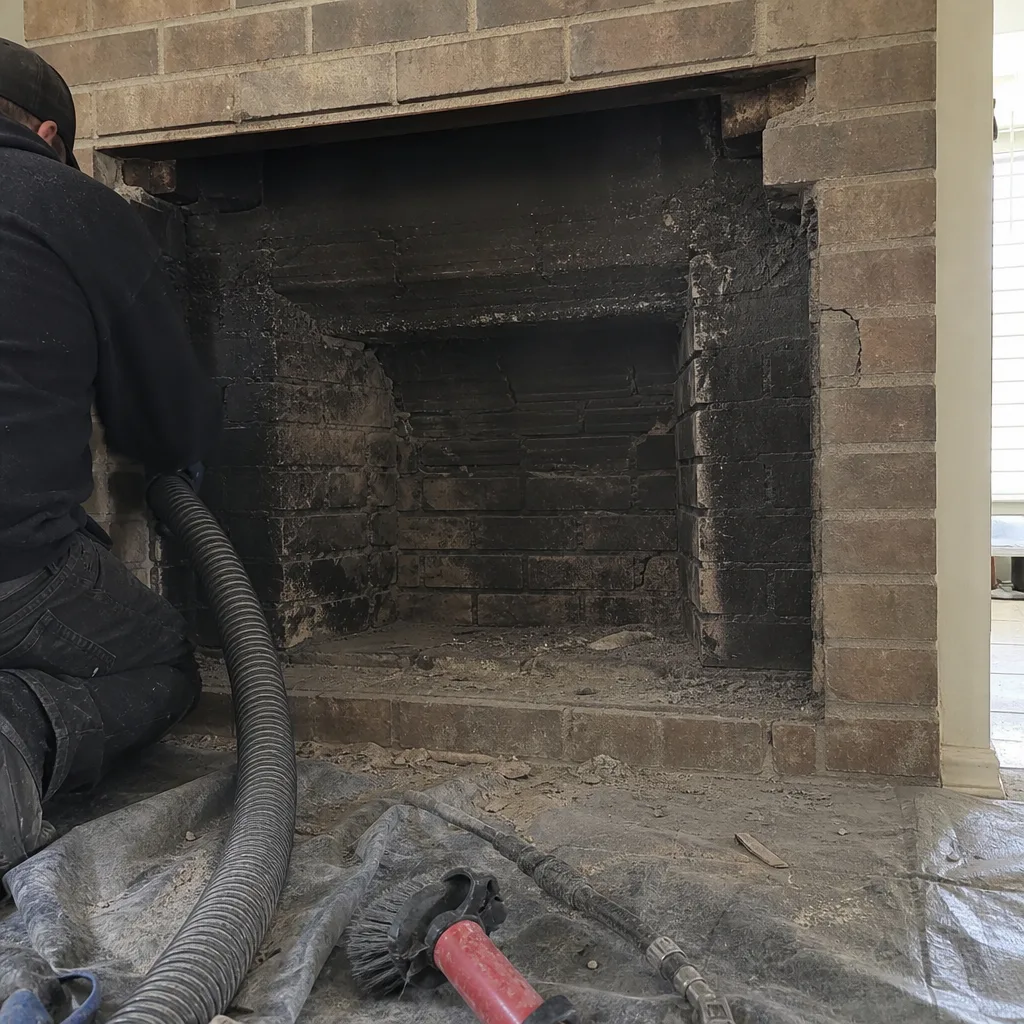 Before
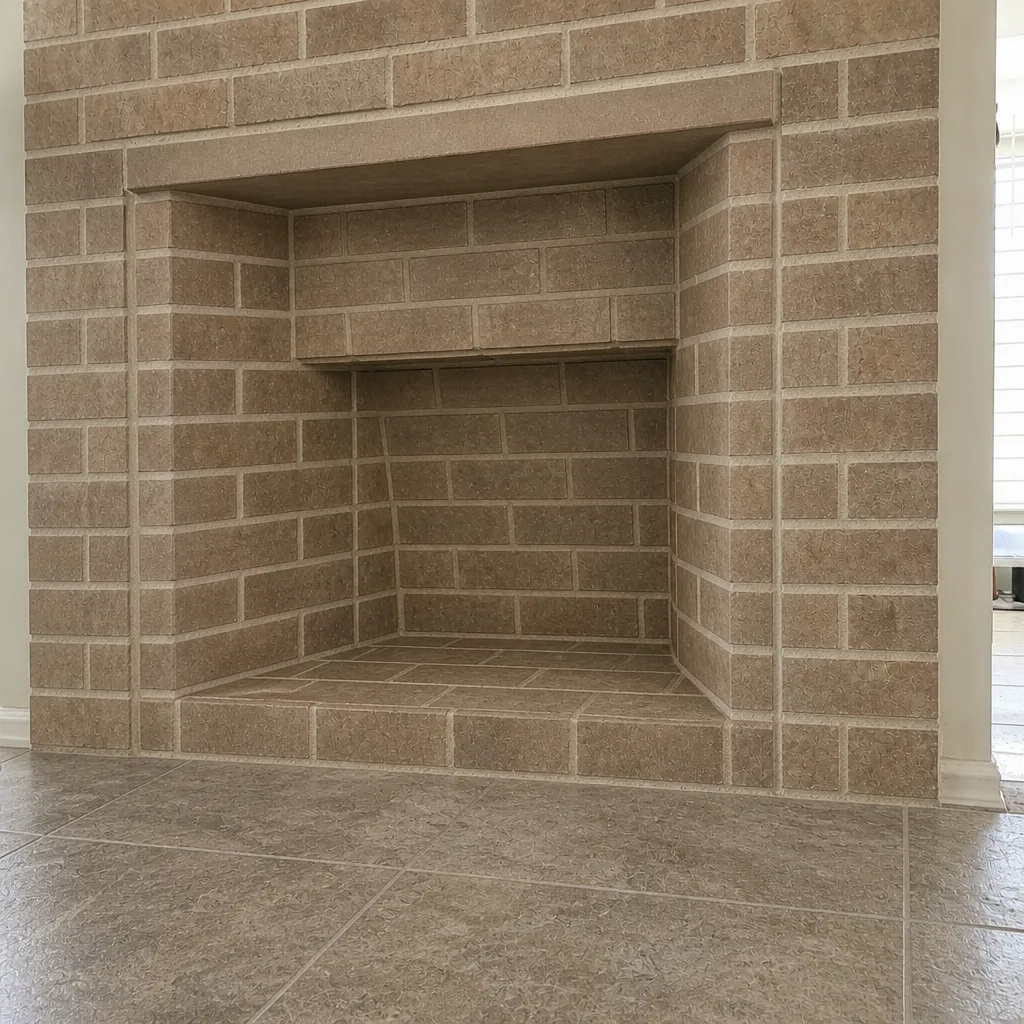 After
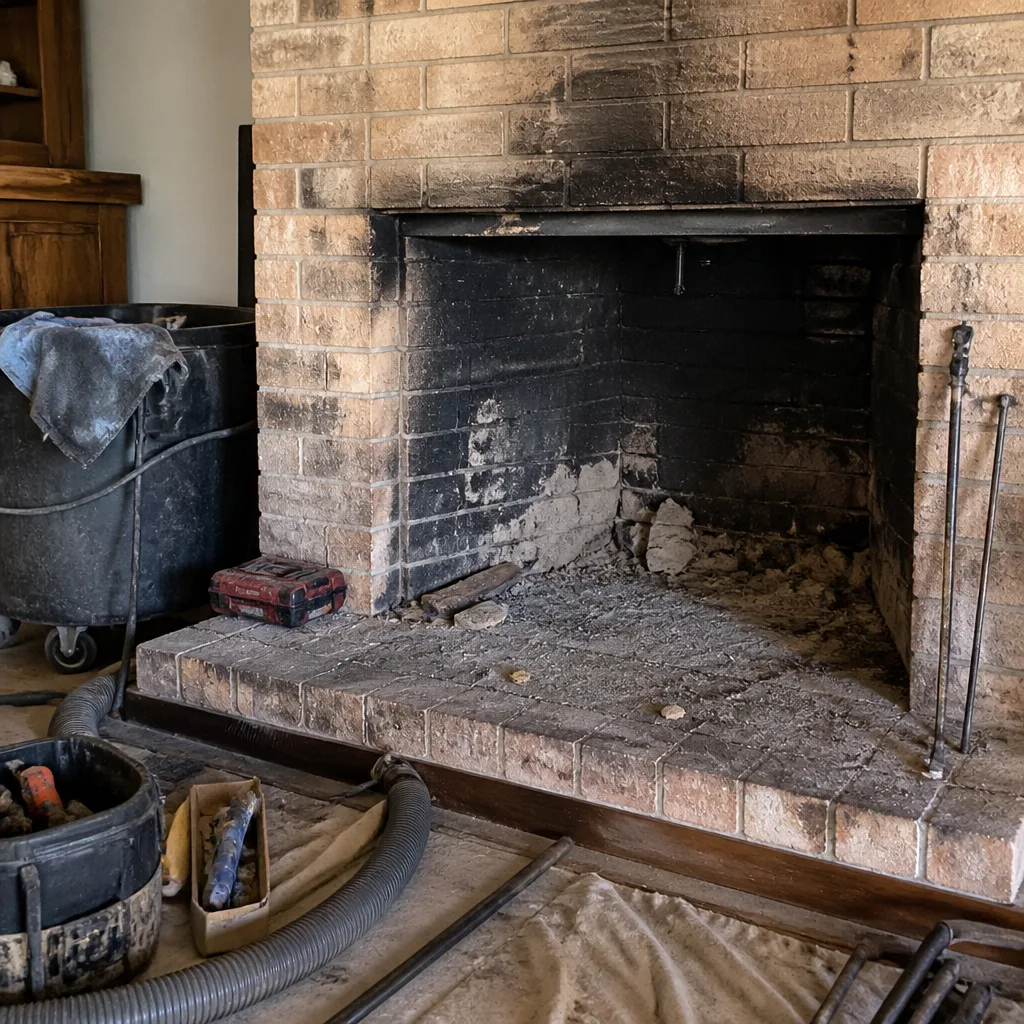 Before
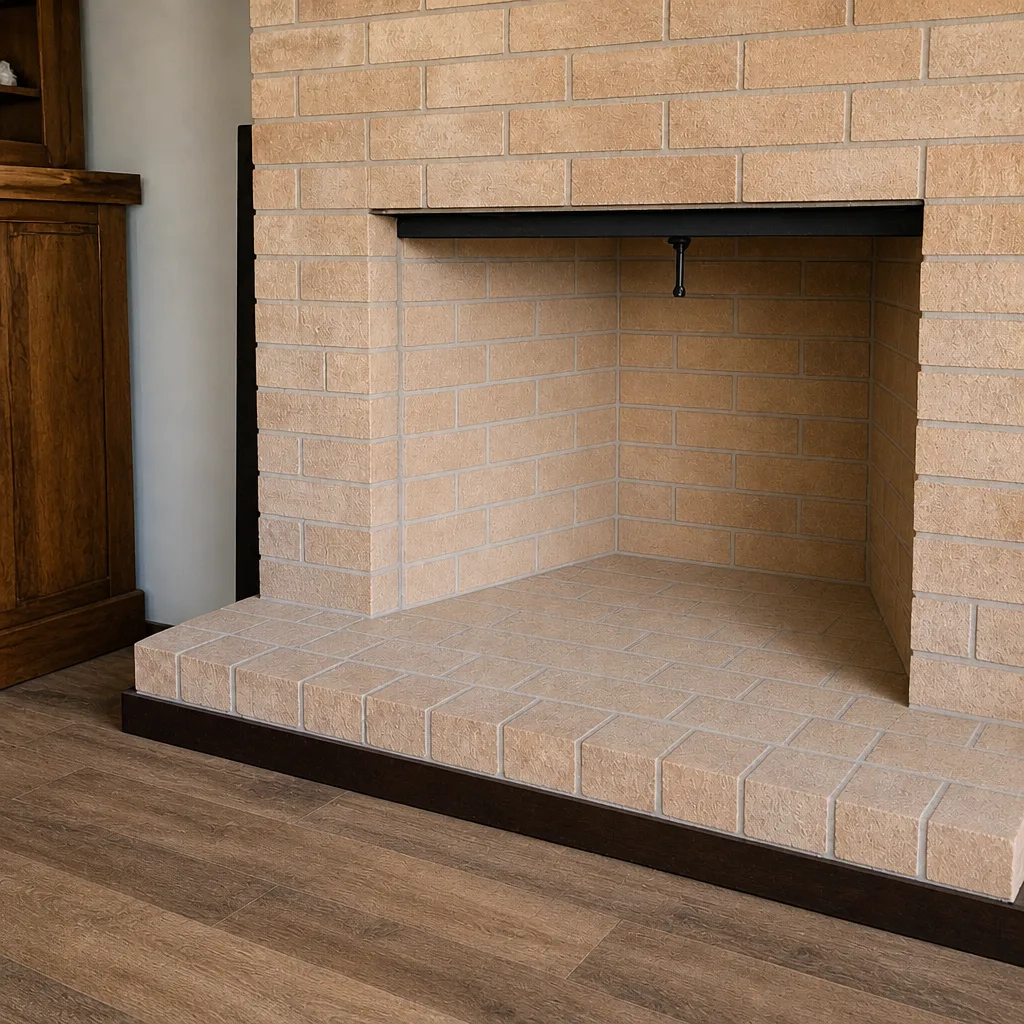 After
When to Call a Professional
Some jobs are obviously for a professional. A chimney fire, a crack you can see in the flue, a liner that’s deteriorated behind the firebox – those are not homeowner tasks. Others are more subtle. If your fireplace smells smoky even when it’s not in use, if the draft is weak, if creosote is visible past the damper, or if the cap looks damaged from the ground, those are signs to get a professional opinion before the season starts.
And if you’ve never had the chimney cleaned – or bought the home and don’t know its history – book a sweep and Level 1 inspection. Chimney Sweep Midland offers free estimates in Midland and covers sweep, repair, and dryer vent from the same specialist. If you’d rather just confirm the price, call (866) 942-7865. We answer 24/7. Fast dispatch from 7am to 7pm, Sunday through Friday.
If you’re comparing contractors and want a straight read on what a proper inspection should include, our chimney sweep page lays out the scope in detail. And if you want to see how we describe the full range of chimney systems we work on, start with Chimney Sweep Midland.
Frequently Asked Questions
A typical chimney sweep in Midland is priced per job by a written estimate, and the price depends on the appliance type, the inspection level included, and whether any repair is needed. Cleaning-only visits usually sit at the lower end of any bid, with Level 2 camera inspection and cap or crown work priced separately. Call (866) 942-7865 for an exact quote – estimates are free.
Only if the evidence shows a liner that can no longer safely contain the flue gases – visible cracks, gaps, spalling, or a flue that’s the wrong size for the appliance. HeatShield ceramic resurfacing is the middle option when the liner is deteriorating but not fully compromised, and it can restore the flue instead of replacing it outright. Don’t accept a reline quote without seeing the camera footage or photos yourself. Call (866) 942-7865 to get a documented assessment first.
Once a year for a wood-burning fireplace used regularly, or whenever creosote buildup reaches roughly a quarter-inch inside the flue. Gas and pellet appliances usually need less frequent sweeping but should still be inspected yearly. In Midland, the wind-driven dust and caliche particulate mean cap and crown condition are worth checking on the same visit. Call (866) 942-7865 to book an inspection.
Creosote builds up inside the flue and becomes a fire hazard, and a deteriorating liner can let combustion gases (including carbon monoxide) into the home instead of venting them out. Neither problem announces itself with obvious symptoms until it’s serious, which is why a yearly inspection catches it early. Call (866) 942-7865 to schedule a sweep before the next burning season.
A CSIA certification is a strong starting signal, but it doesn’t cover liner installation, HeatShield resurfacing, or dryer vent work. Ask separately about the technician’s training on those products and about liability insurance. The credential opens the door; the answers to the follow-up questions close the deal. Call (866) 942-7865 if you’d like us to walk you through what those answers should look like.
Yes, and there’s a good reason to bundle them. Chimney and dryer vent are both exhaust systems with fire-risk implications when neglected, and one documented visit closes the liability gap that two separate contractors can leave open. It also avoids the scheduling conflict of getting two different technicians out for one system. Call (866) 942-7865 to book both in a single visit.
The Bottom Line
Hiring a chimney cleaning contractor in Midland comes down to asking harder questions than most homeowners think to ask. Confirm what certification actually covers, ask what inspection level is included, check what liner materials are stocked, insist on a written estimate with itemized line items, and verify liability insurance before anyone steps onto your roof. The $40 to $80 gap between a generalist and a specialist is small money next to the cost of a liner replacement the wrong sweep accelerated or a repair recommendation you couldn’t verify. Ask for evidence, ask for documentation, and don’t book a reline quote you haven’t seen camera footage for. If a contractor can’t answer the five questions above without flinching, that’s your answer.
If you’re ready to schedule a sweep or a dryer vent cleaning with a contractor who stocks DuraFlex liners, HeatShield resurfacing materials, and Gelco caps, and who inspects with camera footage you can see for yourself, call Chimney Sweep Midland at (866) 942-7865 for a free estimate. We answer 24/7. Fast dispatch from 7am to 7pm, Sunday through Friday. Or visit our Midland page to see how we work in the area.
Written by the team at Chimney Sweep Midland, serving Midland since 2011.