
Last updated November 14, 2026
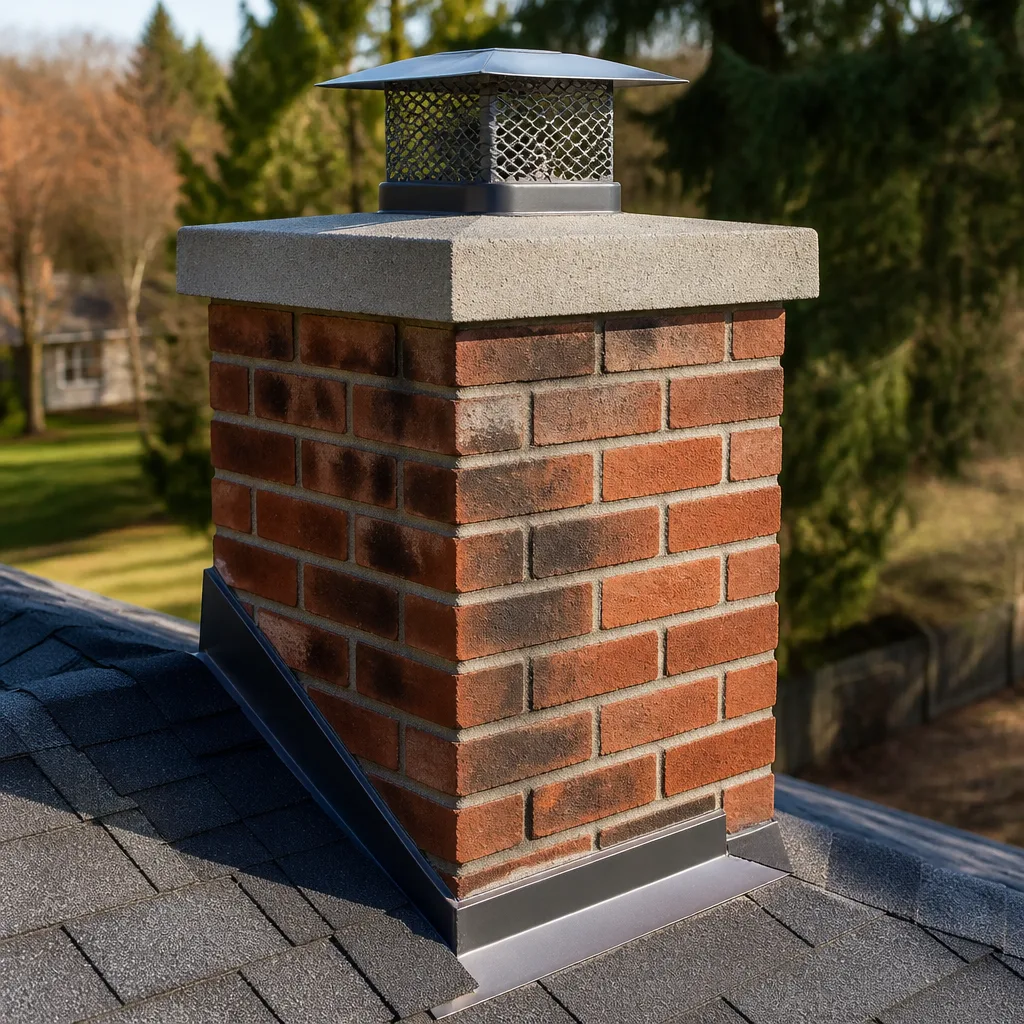 Sweep & inspection
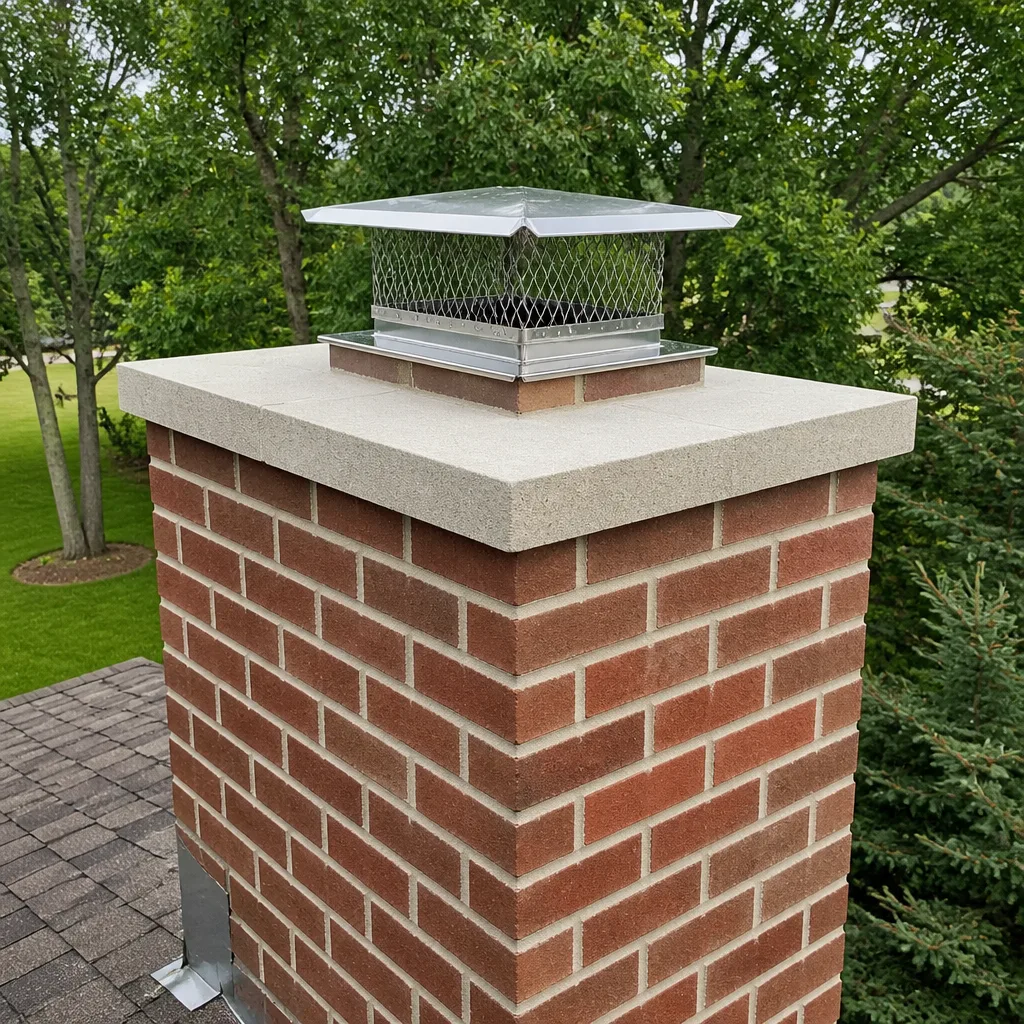 Caps & crowns
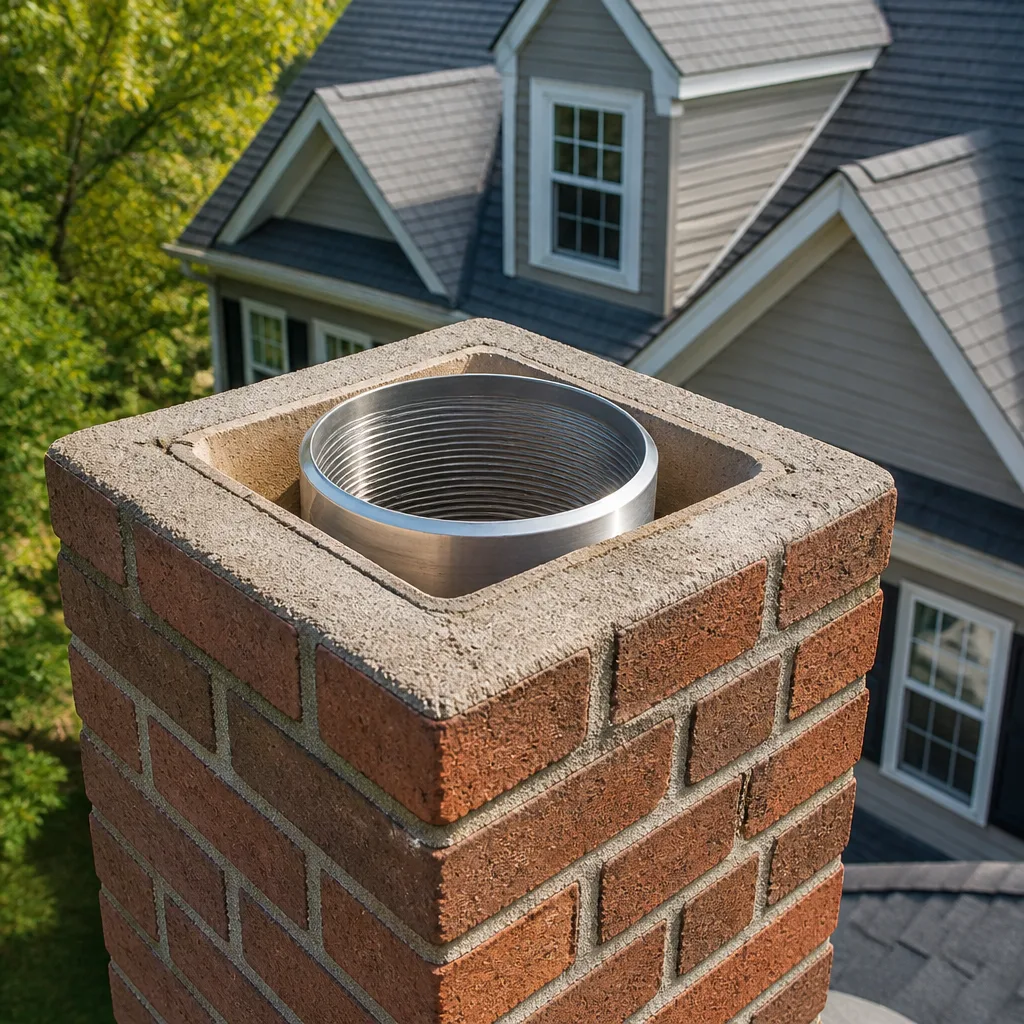 Flue relining
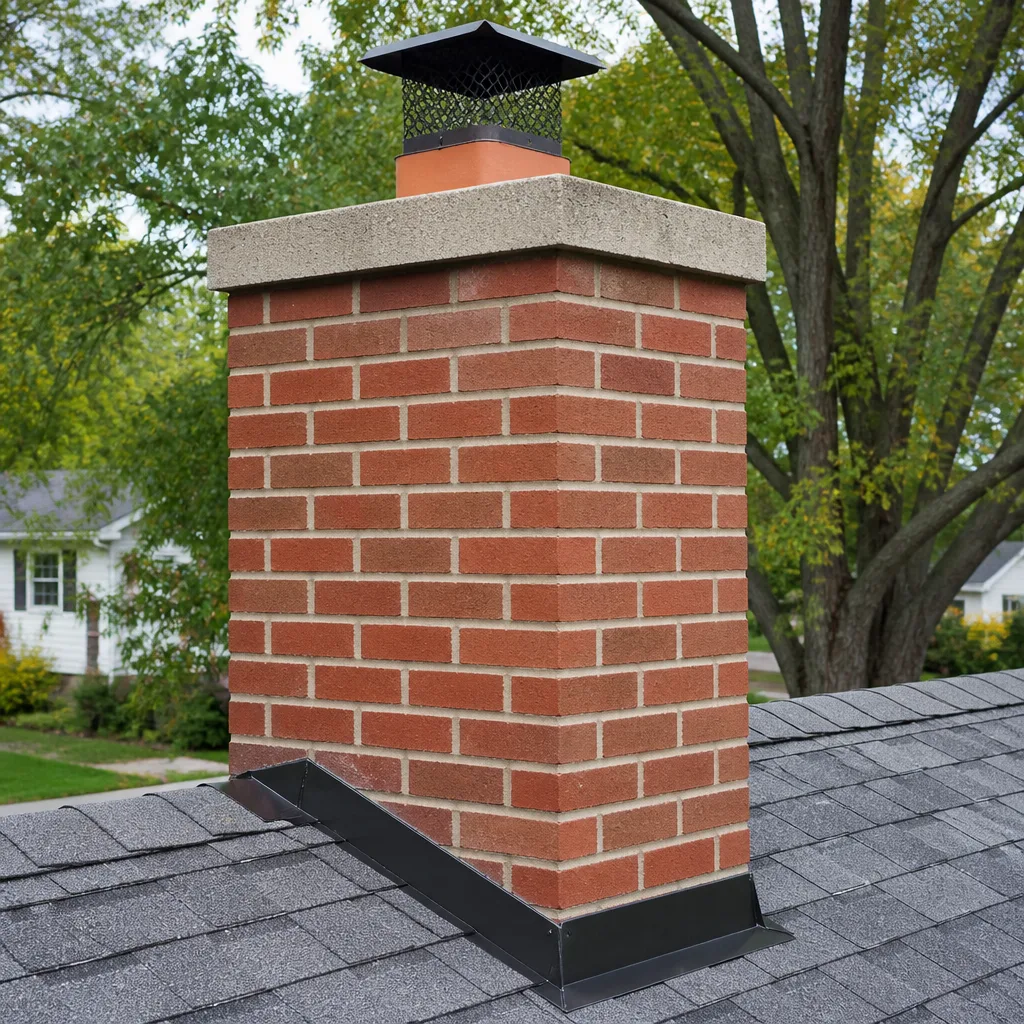 Masonry repair
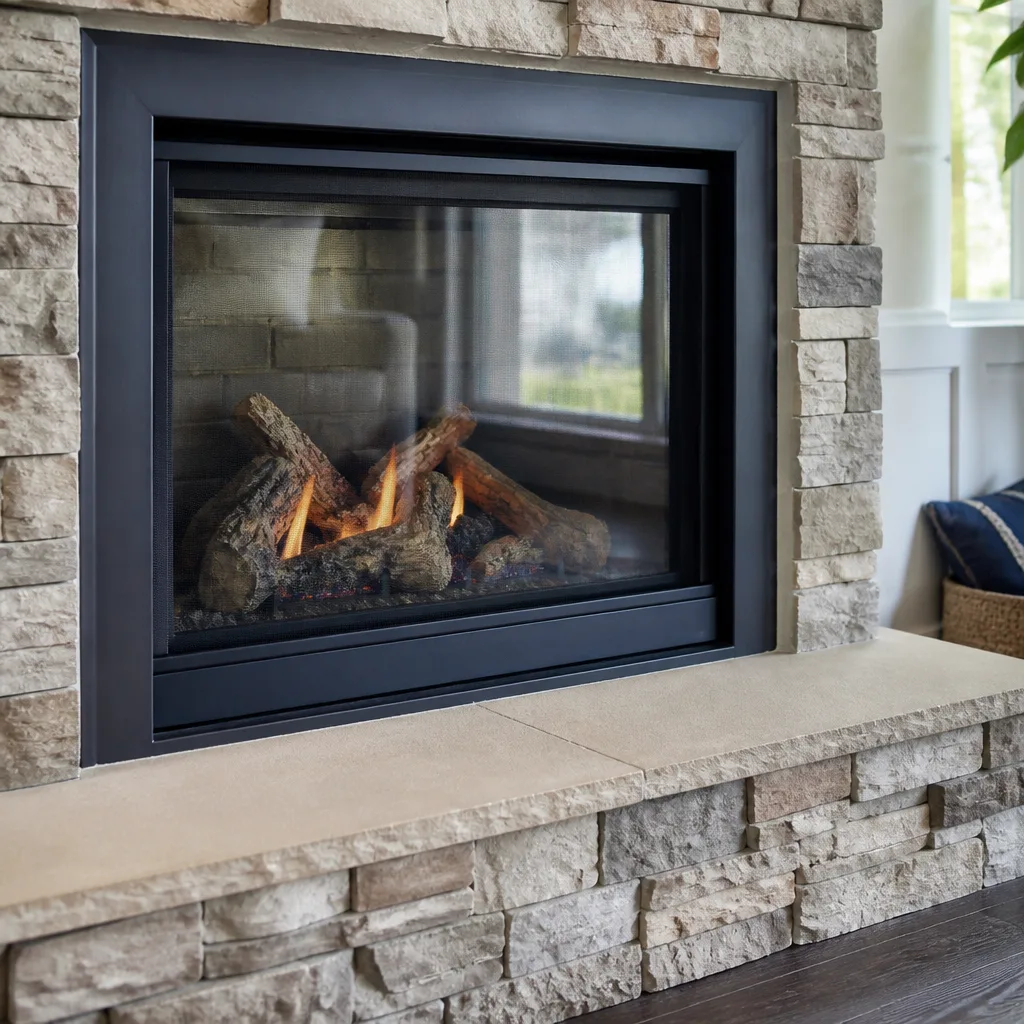 Gas fireplace service
Level 1 sweep and inspection to the NFPA 211 annual standard - flue, crown, cap, and flashing checked and photographed
Chimney sweep logs do not sweep chimneys. They loosen some creosote - which then falls where a brush and vacuum still have to collect it.
Chimney Sweep Troubleshooting in Midland: Common Problems and How to Fix Them
If your fireplace smokes back into the room only on windy days, the problem probably isn’t your chimney at all. It’s more likely negative pressure from your HVAC system competing for the same air supply, and no amount of sweeping will change that. We’ve seen this exact pattern dozens of times in Midland homes where the fireplace worked fine for years and then started misbehaving after a remodel tightened the house up. Understanding why a chimney misbehaves matters more than memorizing a list of symptoms. This guide gives you a diagnostic framework: how to map what you’re seeing, smelling, or hearing to a root cause, so you can stop guessing and have a precise conversation with your sweep.
Quick Answer
Most chimney problems in Midland trace back to three root causes: caliche dust infiltration that accelerates mortar spalling at the crown, thermal cracking from West Texas temperature swings, and creosote buildup from incomplete burns. The fix depends entirely on which cause you’re dealing with, so the first step is always a diagnostic inspection with a camera, not a sweep-and-hope visit. A professional can tell you within an hour whether you’re looking at a draft problem, a blockage, or structural deterioration, and each has a completely different remedy.
Styles & brands we work with
- Sweep & inspection
- Caps & crowns
- Flue relining
- Masonry repair
- Gas fireplace service
Table of Contents
- Draft Problems vs. Blockage vs. Flue Sizing: How to Tell the Difference
- Why Midland’s Caliche Soil Attacks Your Crown Mortar
- Mapping Chimney Odors to Their Causes
- Stainless Chase Covers vs. Galvanized: Why It Matters Here
- Creosote Buildup and What Incomplete Burns Leave Behind
- Thermal Cracking from West Texas Temperature Swings
- What to Monitor vs. What to Stop Using Immediately
- Dryer Vent Problems That Look Like Chimney Problems
Draft Problems vs. Blockage vs. Flue Sizing: How to Tell the Difference
Three different failures produce nearly identical symptoms: smoke rolling into the room, weak fire, and a fireplace that only works on some days. The symptoms look the same, but the fixes have nothing in common. Getting the diagnosis wrong wastes money and leaves you with the same problem.
Negative pressure is a house problem, not a chimney problem. Modern Midland homes are built tight, and when the HVAC, kitchen exhaust, or bathroom fans pull air out of the house, the fireplace becomes the easiest path for replacement air to enter. That’s why it smokes on windy days or when the furnace kicks on. The tell is a fire that burns fine on a calm, mild day and fails when other appliances run. The fix is makeup air, not a sweep.
A blockage creates a consistent problem. If the draft was fine and then failed over weeks or months, suspect a bird nest, a collapsed flue tile, or heavy soot accumulation. A camera inspection settles it. Flue sizing mismatch shows up as chronic weak draft from day one, often in homes where a wood insert was added to a fireplace that was never sized for it. The flue is simply too large or too small for the appliance, and no cleaning will correct it.
Here’s the diagnostic order a trained sweep follows:
- Check the firebox and smoke chamber visually for obvious obstruction.
- Run a camera down the flue to confirm the flue is clear and tiles are intact.
- Test draft with a smoke test or draft gauge while the appliance runs.
- Observe what happens when HVAC and exhaust fans operate at the same time.
- Compare flue size to the appliance’s stated requirement.
Only after that do we know which category you’re in. If you’re in the third category, the answer might be a new liner sized correctly, which is a job we’d handle with a DuraFlex system. But we don’t start there. We start with the camera.
Why Midland’s Caliche Soil Attacks Your Crown Mortar
Caliche is the whitish, calcium-carbonate hardpan that underlies much of the Permian Basin. It’s alkaline, and when windblown caliche dust settles on your chimney crown and mixes with moisture, it creates a mildly corrosive alkaline environment right at the mortar joints. Mortar that would hold up for decades in a neutral-soil region starts spalling here – flaking, powdering, and receding – years earlier.
The crown is the concrete cap at the very top of the chimney that sheds water away from the flue. When its mortar fails, water gets in and the whole upper structure starts to degrade. The problem is that the early stage is invisible from the ground. By the time a homeowner notices a chunk of mortar on the roof, the damage has usually been progressing for a couple of seasons.
What to look for on a rooftop check:
- Hairline cracks running from the flue opening toward the crown edge
- White or chalky residue at the mortar joints (caliche dust binding with moisture)
- Small pieces of mortar accumulating in the roof valley below the chimney
- A crown that slopes toward the flue rather than away from it
- Visible gaps where the crown meets the flue tile
Hairline cracks are the critical window. Once they’re wide enough to trap water and freeze-freeze isn’t a concern here, but water intrusion alone does the damage. A crown that’s cracked can be restored with a proper mortar repair and a flexible sealant, and that’s a job within our scope. A crown that has separated from the flue entirely, or where the mortar bed underneath has crumbled, is closer to a rebuild. Catching it at the hairline stage saves money. We see the caliche pattern often enough in Midland that it’s the first thing we check on any roof-level inspection.
Mapping Chimney Odors to Their Causes
Odors are the most underreported chimney symptom because homeowners don’t know they’re a symptom at all. They’re also the most useful diagnostic signal, because different smells point to different problems. When you call for a sweep, tell them exactly what you smell. That single detail tells us more than a description of the fire ever will.
Musty or damp-earth odor points to water intrusion. Water is getting into the flue or firebox and sitting there. The source is usually a failed crown, a missing or cracked chimney cap, or flashing that has pulled away from the roof at the chimney penetration. This one gets worse over time and should be fixed before it does.
Asphalt-like or creosote-mixed-with-tar smell is creosote. It’s the residue of incomplete combustion, and it smells strongest on warm, humid days when the fireplace is off and air pressure moves the odor down into the house. Heavy creosote is a genuine fire risk when the fireplace is used again. That’s the one smell we don’t want homeowners waiting on.
Burning-plastic or acrid chemical smell almost always means something foreign is in the flue or firebox: a bird nest, a plastic bag, or debris blown in through a missing cap. Don’t run the fireplace until it’s inspected. Burning whatever is lodged there produces fumes you don’t want in the house.
Smoke smell that lingers after a fire without any visible smoke during the burn usually means inadequate draft, and that circles back to the negative pressure question. If the odor is faint and only present right after a burn, it’s often just normal residual smoke in the firebox. If it’s strong and persistent, have it checked.
Here’s the summary to report before your sweep arrives:
- Musty/damp: water intrusion, check crown and cap
- Asphalt/tarry: creosote buildup, address before next use
- Acrid/plastic: foreign debris, stop use until inspected
- Lingering smoke: draft issue, likely pressure-related
Stainless Chase Covers vs. Galvanized: Why It Matters Here
The single most common cap-material mistake we see is a galvanized cover installed on a chimney in a neighborhood that gets full West Texas sun and summer heat. Galvanized metal is zinc-coated steel. It’s fine in mild, shaded, humid climates, but in the intense UV and heat of Midland summers, the zinc coating breaks down faster, the steel underneath begins to rust through at weld points, and the cover starts to pit and lose its protective coating. A stainless chase cover handles the same conditions for a much longer service life.
Not every cap fails the same way, and that’s what gets missed. Galvanized covers fail at the seams and welds first, which is where water gets in. Stainless covers are more resistant to that failure mode, so when a stainless cover eventually does need attention, it’s usually the fasteners or the sealant rather than the panel itself.
The practical takeaway is simple. If your existing cover is galvanized and showing rust at the seams after several seasons, replacing it with stainless is the right call. If you’re installing a new cover on a chimney that never had one, stainless is the material to specify. We stock and install Gelco covers, and every installation includes a proper seal at the flue and flashing junction so the cover actually does its job of keeping water out rather than just looking like it does.
What a proper cover installation includes:
- Measure the chase opening and flue dimensions precisely
- Select a cover sized to overhang the chase by a couple of inches on each side
- Seal the cover to the chase with a compatible sealant, not just fasteners
- Verify the spark arrestor screen is intact and correctly attached
- Inspect flashing at the roof penetration and repair any gaps
Once a cover is in place, the caliche dust and water intrusion problems shrink considerably. It’s a small job that protects the bigger investment underneath it.
Creosote Buildup and What Incomplete Burns Leave Behind
Creosote is what’s left when wood doesn’t burn completely. It starts as a light, flaky soot and, with repeated incomplete burns, hardens into a glazed, tar-like layer that clings to the flue walls. That glazed stage is the dangerous one. It ignites at relatively low temperatures, and a chimney fire can start from a single hot ember caught in a heavy glaze.
In Midland, the biggest driver of incomplete burns isn’t the wood – it’s the burn habits. A fire that’s smoldered low with the damper choked down produces far more creosote than a hot, active fire. Wet wood does the same thing. We see more creosote in homes where homeowners use their fireplace as a slow ambient heat source than in homes where it’s used for real warmth.
How creosote stages break down:
- Stage 1: Light soot, easily brushed, no special treatment needed
- Stage 2: Flaky, brittle deposits, brushable but harder to remove completely
- Stage 3: Glazed, tar-like, hard to remove with a standard brush and a fire risk if left in place
If you’re at stage 3, a standard sweep won’t clear it. It’s removed with specialized rotary tools or, in some cases, chemical treatment. Once it’s clear, a properly sized DuraFlex liner helps prevent the same buildup in the future, because a correctly sized flue drafts better and burns cleaner.
What you can do to reduce it starting today: burn well-seasoned wood, don’t choke the damper down, don’t burn green or wet wood, and don’t burn trash or wrapping paper (the plastic smell comes back through the flue). Have the flue inspected at the start of each burn season so a stage 2 deposit doesn’t have time to become stage 3.
Thermal Cracking from West Texas Temperature Swings
West Texas moves from freezing nights to 80-degree afternoons in the same week, sometimes in the same day. Your chimney’s masonry expands and contracts with every swing, and over enough seasons the stress shows up as cracking in the crown, the exterior brick joints, and the flue tiles themselves.
Not every crack is a problem. Here’s how we sort them:
- Hairline cracks in the crown: Monitor and restore. They’re the entry point for water, but a repair at this stage is preventative.
- Spalling brick on the exterior: Schedule a repair. The brick face is failing, and the underlying mortar is likely compromised.
- Cracked flue tile at the joints: This one matters more than it looks. A gap between flue tiles allows heat and gases to escape the flue and contact the masonry and framing. That’s a path for carbon monoxide into the house and a fire risk. Don’t use the fireplace until it’s inspected.
- Chimney leaning or separating from the house: Stop and call for an inspection. This is a structural issue, not a cosmetic one.
The good news is that a flue with deteriorated or cracked tiles can often be restored rather than replaced. HeatShield ceramic resurfacing is applied to the interior flue wall, sealing the cracks and restoring a smooth, gas-tight surface. It’s a middle option between doing nothing and a full reline, and it’s a job we’re certified to do. When the tiles are beyond resurfacing, a stainless liner installed with a DuraFlex system brings the flue back to a safe, code-current condition. Either way, the choice is based on what the camera shows, not on a guess.
What to Monitor vs. What to Stop Using Immediately
The most common mistake homeowners make is treating every crack as a crisis. The second most common is ignoring the one that actually is. Here’s the triage framework we use.
Monitor and schedule:
- Hairline cracks in the exterior crown mortar
- Minor surface spalling on exterior brick
- Light soot visible at the firebox opening after a burn
- Faint musty odor that appears only after a fire, with no visible water damage
- A cap that’s a little faded but intact
Stop using the fireplace and schedule an inspection before the next burn:
- Visible cracked or displaced flue tiles (camera-confirmed)
- Heavy glazed creosote at stage 3
- A strong acrid or plastic smell with no visible source
- Draft that has clearly worsened compared to past seasons
- Smoke rolling into the room consistently, not just on windy days
Stop immediately and call now:
- Chips or chunks of flue tile coming down into the firebox
- Visible flame or smoke coming from the chimney structure itself
- A chimney that has separated from the house wall
- Carbon monoxide detectors alarming near the chimney
The last category is rare but it’s the one where “wait and see” is the wrong answer. Carbon monoxide is the risk that escalates with any flue compromise, and no one should test that at home. Call (866) 942-7865 and we’ll schedule an inspection. This isn’t a scare tactic; it’s just the honest triage we use ourselves.
Dryer Vent Problems That Look Like Chimney Problems
Chimney and dryer vent work share more than a service category. Both move exhaust out of the house, both can fail in ways that create fire and air-quality risk, and both get ignored far longer than they should. We run dryer vent cleaning as a fire-safety service, and here’s why it belongs in a chimney troubleshooting guide: the symptoms overlap.
A dryer vent clogged with lint makes the dryer hot, makes clothes take longer to dry, and can produce a faint burning smell that homeowners sometimes mistake for a chimney issue if the laundry room is near the fireplace. It also raises the moisture level in the house, which can make chimney odors worse by adding humidity to the air that moves through the flue.
Signs your dryer vent needs attention:
- Clothes taking two or more cycles to dry
- The dryer body or top getting hot to the touch
- Lint visible behind or under the dryer
- A musty laundry room
- A dryer vent that terminates inside a wall, attic, or crawl space (should be corrected)
We use Famco-compatible venting components for repairs and terminations, so when a flapper is broken or a vent run needs correcting, the parts are professional grade. One call covers chimney sweep, chimney repair, and dryer vent from the same specialist, so you’re not juggling two contractors for systems that share the same safety logic.
Common Mistakes to Avoid
- Blaming every smoke-back on a dirty chimney. Most smoke-back cases in Midland are pressure issues or flue sizing problems, and sweeping a clean flue won’t fix either.
- Ignoring musty odors. A musty smell is almost always water intrusion. Waiting a season turns a crown repair into a masonry repair.
- Installing a galvanized chase cover in full sun. The zinc coating fails earlier in Midland’s UV load, and you’ll be replacing the cover again sooner than necessary.
- Burning wet wood in the fall. Wet wood produces incomplete combustion and accelerates creosote buildup. Season your wood over the summer.
- Using the fireplace with a cracked flue tile. This is the one crack you can’t wait on. Get the flue camera-inspected before you burn again.
- Hiring a sweep who won’t show you the camera footage. Ask to see the inspection images. A sweep who can’t produce them isn’t giving you a real diagnosis.
- Assuming a chimney liner and a flue resurfacing are the same job. HeatShield ceramic resurfacing restores a salvageable flue; a DuraFlex liner replaces a compromised one. The right choice depends on the inspection.
See the difference
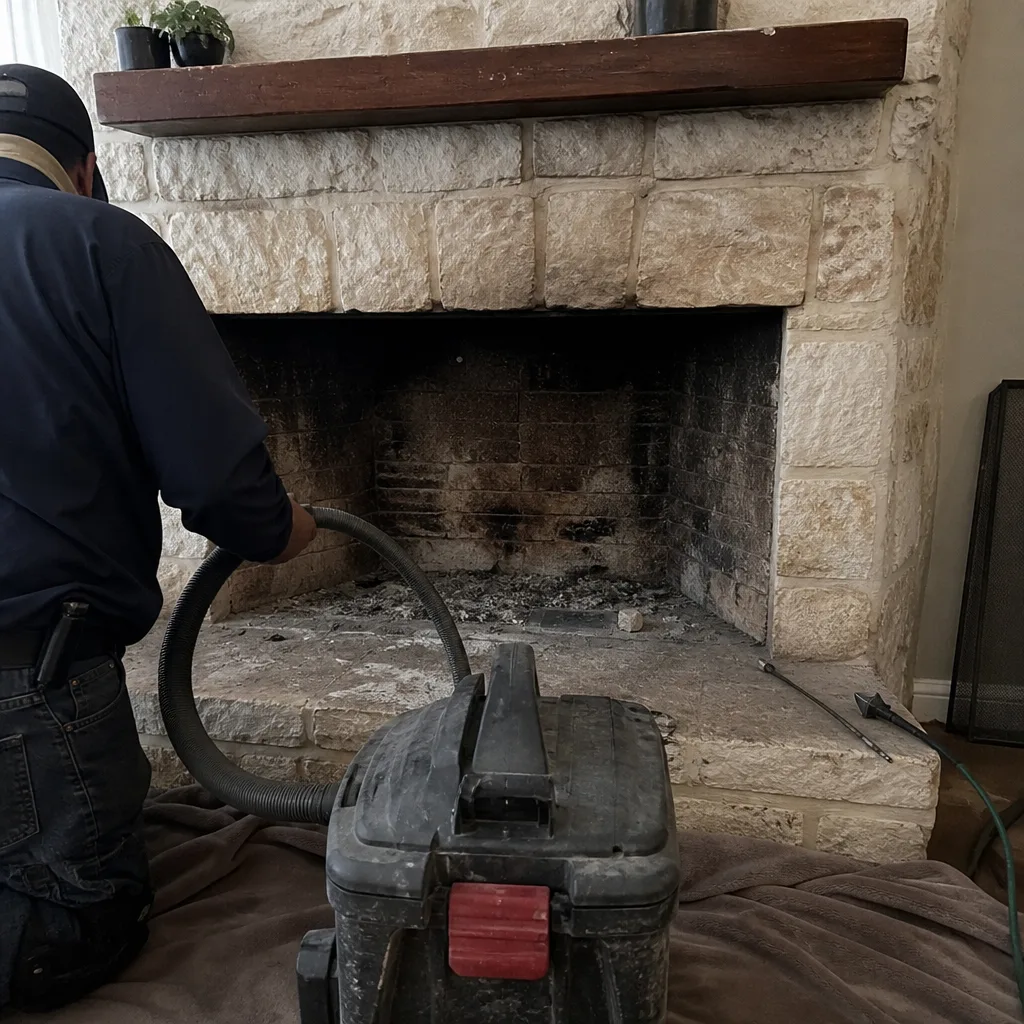 Before
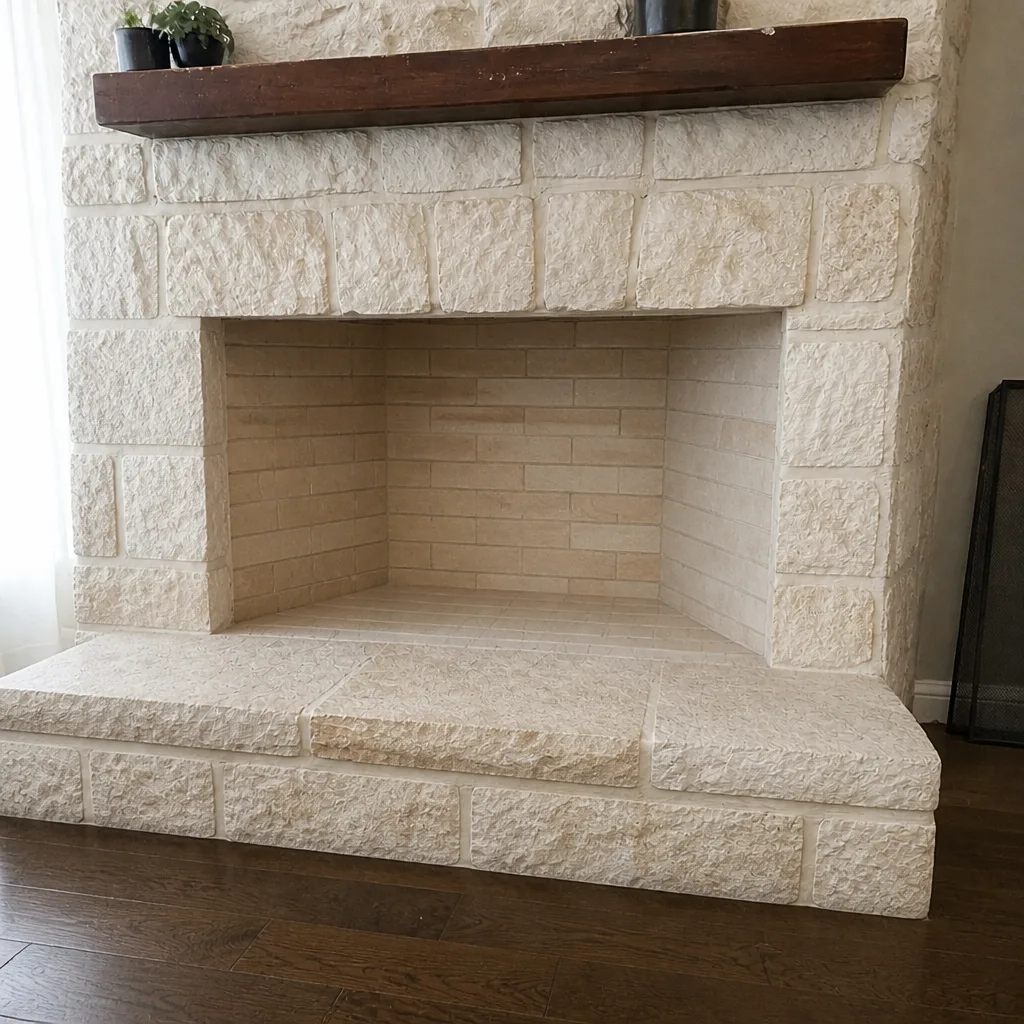 After
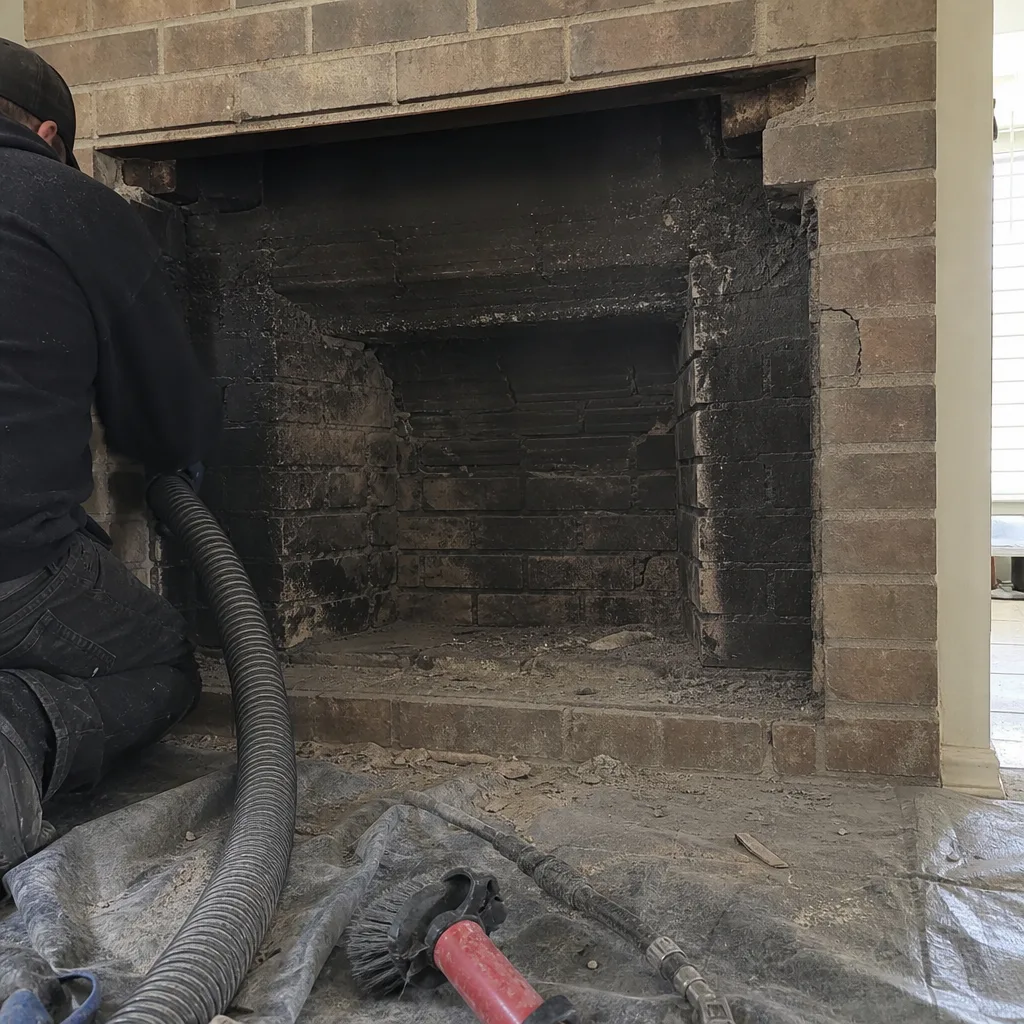 Before
 After
 Before
 After
When to Call a Professional
Call a professional if you see cracked or displaced flue tiles, if your carbon monoxide alarm sounds, if smoke rolls into the room consistently, or if you’ve never had your chimney inspected. Also call if your dryer is running hot and taking multiple cycles to dry, since that’s a vent issue with fire risk. We work with trade-grade materials from DuraFlex, HeatShield, Gelco, Olympia Chimney, and Famco, so repairs don’t wait on special orders. Chimney Sweep Midland offers free estimates in Midland; call (866) 942-7865. We answer 24/7. Fast dispatch from 7am to 7pm, Sunday through Friday. If you’re not sure whether your issue is urgent, call us and describe what you’re seeing. A five-minute conversation usually tells us whether to dispatch or schedule.
Frequently Asked Questions
A standard chimney sweep in Midland typically runs into the low hundreds of dollars, and pricing is set per job by the written estimate before work begins. The estimate is free. Call (866) 942-7865 for a free estimate, and we’ll tell you what your specific chimney needs before anyone touches it.
Smoke-back on windy days is almost always a negative pressure problem, not a chimney blockage. Your home’s HVAC, exhaust fans, and wind pressure are competing for the same air the fireplace needs. A professional can test for it with a smoke test. Call (866) 942-7865 and we’ll diagnose the pressure issue rather than guessing at a cleaning.
Many flues can be restored rather than relined, especially if the tiles are cracked but still structurally intact. HeatShield ceramic resurfacing seals deteriorated flue walls and brings them back to a safe condition; a DuraFlex stainless liner is the right answer when the flue is too compromised for resurfacing. The right choice comes from a camera inspection, and we’ll show you the footage so you see what we see.
Most wood-burning fireplaces benefit from an inspection once a year and a sweep whenever creosote reaches stage 2. Homeowners who burn often or burn wet wood may need it more frequently. Annual inspections catch thermal cracks early, while they’re still a crown repair and not a rebuild.
Yes, caliche dust accelerates mortar deterioration at the crown in Midland’s alkaline soil environment. The dust settles on the crown, binds with moisture, and eats at the mortar joints years earlier than you’d expect elsewhere. A stainless cover and a crown sealant go a long way toward protecting against it.
Galvanized caps will function, but they don’t last as long in full West Texas sun because the zinc coating breaks down sooner. A stainless cover is the more durable choice and worth specifying when you replace. We install Gelco covers and seal them properly at the flue and flashing.
Stop using the fireplace until it’s inspected. An acrid or plastic smell usually means foreign debris is lodged in the flue, and burning it produces fumes you don’t want in your home. Call (866) 942-7865 to schedule a camera inspection before you light another fire.
The Bottom Line
Most chimney troubleshooting comes down to correctly categorizing the symptom. Draft problems are a house-pressure issue, not a cleaning issue. Caliche dust and West Texas thermal swings accelerate mortar and tile damage, so annual inspections catch cracks while they’re still a crown repair. Odors are diagnostic: musty means water, acrid means debris, tarry means creosote. Stainless covers outlast galvanized in our UV and heat. And the flue cracking and glazed creosote triage is the difference between a scheduled repair and a hazard. Call (866) 942-7865 for a free estimate. We answer 24/7. Fast dispatch from 7am to 7pm, Sunday through Friday. For a full review of how a professional chimney sweep works, visit chimney sweep, and for local service info see Midland.
Written by the team at Chimney Sweep Midland, serving Midland since 2011.