
Last updated November 14, 2026
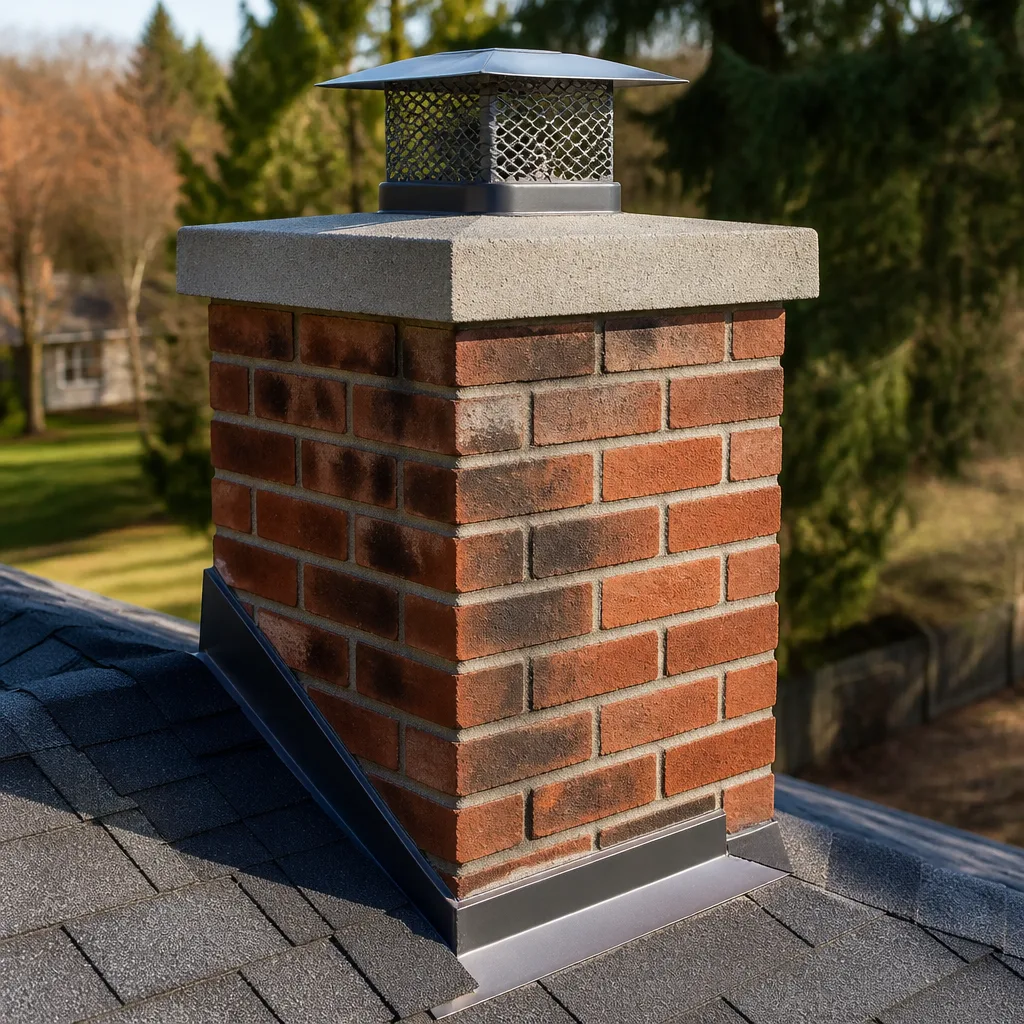 Sweep & inspection
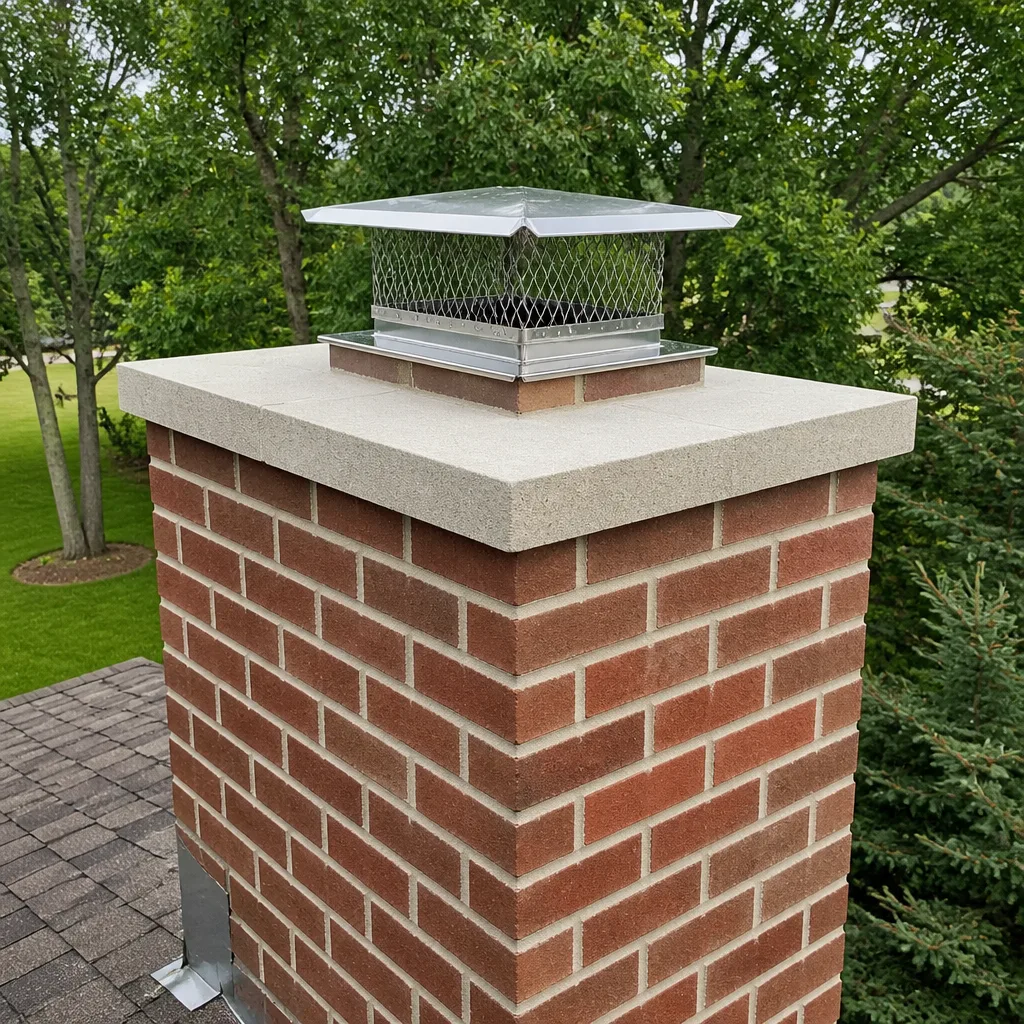 Caps & crowns
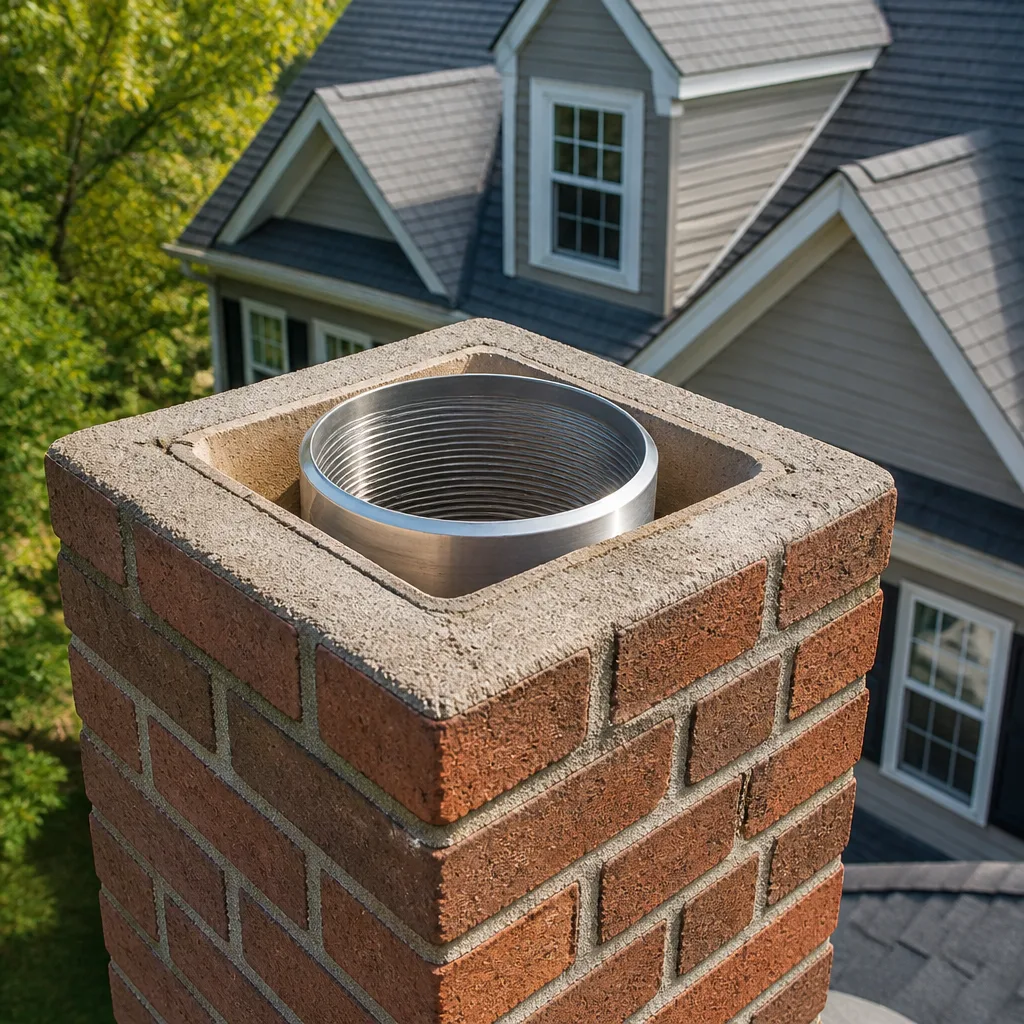 Flue relining
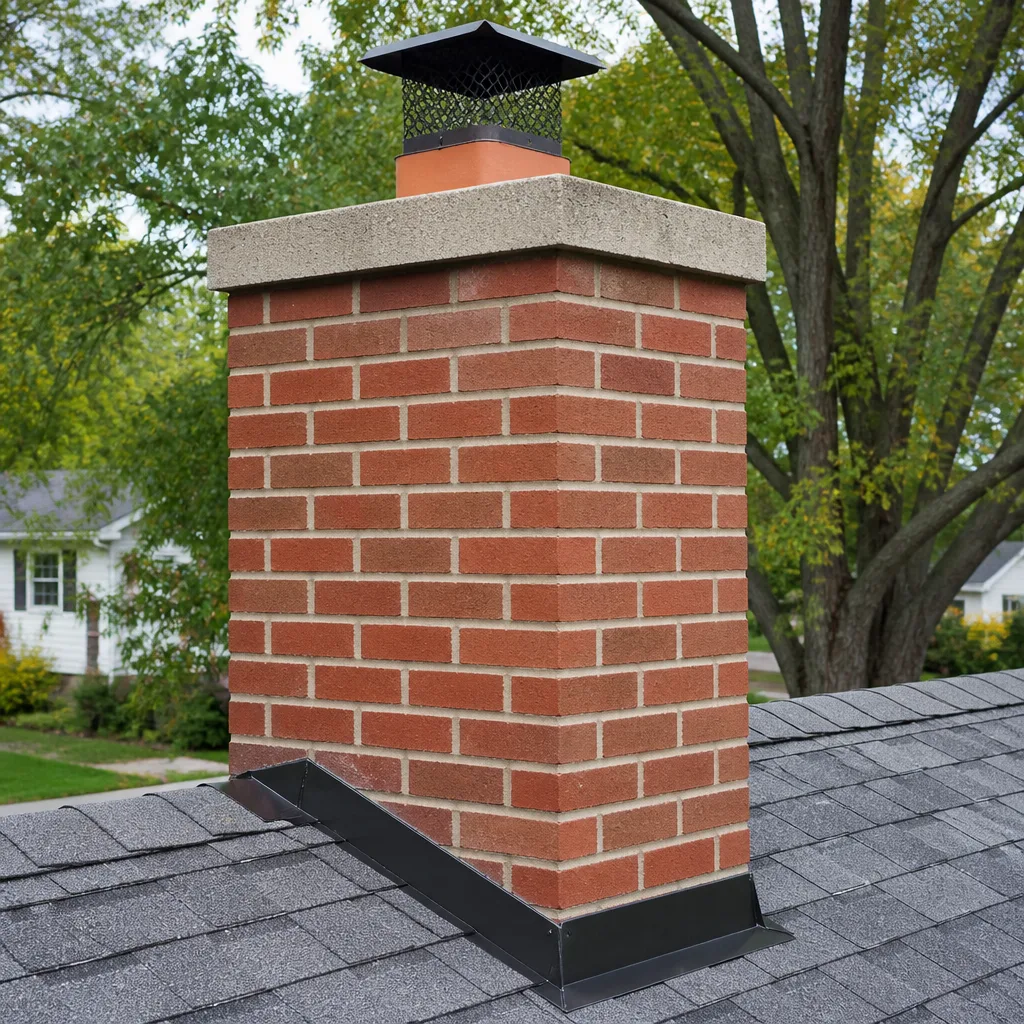 Masonry repair
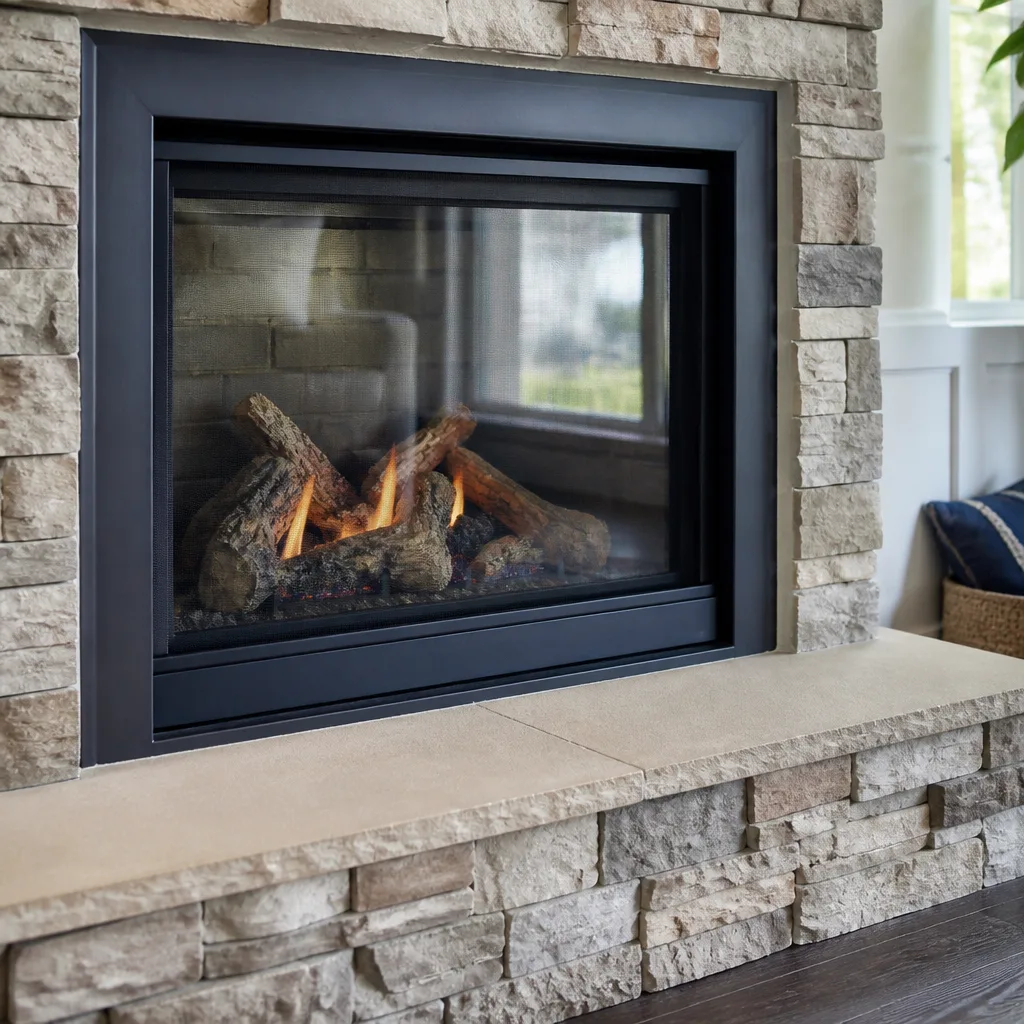 Gas fireplace service
Level 1 sweep and inspection to the NFPA 211 annual standard - flue, crown, cap, and flashing checked and photographed
Chimney sweep logs do not sweep chimneys. They loosen some creosote - which then falls where a brush and vacuum still have to collect it.
Chimney Cleaning Emergency Preparedness Guide for Midland Homes
Most people assume they’ll know a chimney fire when they see one. In our experience, that’s the misconception worth correcting first. A chimney fire often announces itself as a low roar that sounds like a freight train moving through the wall, and many homeowners spend the first thirty seconds trying to place the noise before they understand what’s happening. Those thirty seconds are the whole reason for this guide. We’ve written it as a calm, procedural reference for Midland homes: what to do the moment you smell smoke in a room, see flames at the cleanout, or realize your dryer vent has stopped moving air. Nothing here is designed to alarm you. Read it once now, while the fireplace is quiet, so that if you ever need it the response is correct instead of instinctive and wrong.
Quick Answer
If you suspect a chimney fire, close the damper, get everyone out of the house, and call 911 from outside. Do not open windows or doors to “clear smoke,” because added oxygen feeds a flue fire. Once the fire is out, no one should relight that fireplace until a Level II inspection per NFPA 211 has been completed. For a blocked flue producing carbon monoxide without visible smoke, or a dryer vent that smells hot, shut the appliance down and treat it as an emergency too. Chimney Sweep Midland handles the inspection and repair that follows. Call (866) 942-7865 for a free estimate.
Styles & brands we work with
- Sweep & inspection
- Caps & crowns
- Flue relining
- Masonry repair
- Gas fireplace service
Table of Contents
- Chimney Fire Response Protocol
- What Happens After a Chimney Fire: The Mandatory Steps
- Carbon Monoxide From a Blocked Flue
- Dryer Vent Fire Prevention as an Emergency System
- What to Have Ready Before Fire Season
- Why Creosote and Nesting Set the Clock
- Same-Day Repair and What to Expect From Us
- Common Mistakes to Avoid
Chimney Fire Response Protocol
A chimney fire is a fire inside a confined masonry or metal pathway, and every instinct that serves you well in a kitchen fire works against you here. The correct sequence is short and worth memorizing.
- Close the damper. This cuts the draft that pulls air up the flue and slows the fire’s supply.
- Get everyone outside. Leave the house. Don’t stop to gather belongings or check the roof.
- Call 911 from outside. Describe it as a chimney fire and give your address clearly.
- Do not open windows or exterior doors. This is the single most dangerous mistake. Opening a window to “clear smoke” gives the fire fresh oxygen and can turn a contained flue fire into a fast-moving one.
- Don’t throw water down the chimney. On a hot flue, a sudden pour of water can crack masonry and create a worse problem than the fire.
- Keep the fire department involved until they clear the scene. They’ll check the attic, the chimney exterior, and adjacent framing for heat.
In Midland, where many homes run wood-burning inserts and fireplaces through the cooler months, this is the protocol we want every household to know before the first fire of the year. For routine prevention, a proper chimney sweep removes the creosote that makes a flue fire likely in the first place. Call (866) 942-7865 for a free estimate.
What Happens After a Chimney Fire: The Mandatory Steps
A chimney fire that the fire department has cleared is not the same as a chimney that is safe to use. NFPA 211, the national standard for chimneys and venting, calls for a Level II inspection after any known or suspected chimney fire, and that inspection is not optional paperwork. It’s how a professional confirms the flue is intact, the liner hasn’t been cracked or warped, and the surrounding structure hasn’t been compromised.
Here’s what a proper post-fire inspection involves:
- A visual inspection of the flue interior to check for cracks, spalling, or gaps in the liner.
- A check of the firebox and damper for heat damage.
- An examination of the exterior – chimney crown, flashing, and the mortar joints.
- Documentation of findings with photos so you can see exactly what the technician saw.
After an inspection, there are generally three outcomes. The flue is sound and you can relight after a cleaning. The flue has a defect that can be restored, which is where HeatShield ceramic resurfacing comes in as a middle option between a patch and a full reline. Or the liner is compromised badly enough that it needs replacement, and we reline with DuraFlex. That’s the decision point where we make our case for restoring before replacing whenever the evidence supports it. A camera inspection and photo report are part of every visit, so you can verify the findings yourself instead of taking our word for it.
One more thing worth being honest about: sometimes a post-fire inspection turns up a problem that can safely wait. We say so when that’s the case. Call (866) 942-7865 for a free estimate.
Carbon Monoxide From a Blocked Flue
Not every chimney problem announces itself with smoke. A blocked flue pushes carbon monoxide back into the living space, and CO is odorless, colorless, and invisible. A bird nest is one of the more common blockages in this part of Texas. Starlings and other birds work their way into an uncapped chimney, build a nest in the flue, and leave the homeowner with a fireplace that looks fine and a room that quietly stops breathing clean air.
Chimney-related CO indicators can be distinct from gas-appliance indicators. Watch for these:
- Headaches, dizziness, or nausea that seem to lift when you leave the room and return when you come back.
- A fireplace that burns lazily or smokes back into the room even with the damper open.
- Soot streaks on the fireplace surround or a smell of smoke that never quite clears.
- A carbon monoxide alarm that sounds only when the fireplace or insert is running.
Gas appliances can also produce CO, and the two sources can overlap, which is why we treat the whole system together. A proper cap, installed from a brand like Gelco, keeps nesting birds out and is one of the simplest pieces of prevention available. If your CO alarm goes off, leave the house and call 911 or your gas utility before calling anyone else. Once the source is cleared, call us to determine whether the chimney is the culprit. Call (866) 942-7865 for a free estimate.
Dryer Vent Fire Prevention as an Emergency System
Dryer vent fires are one of the leading causes of home fires, and most of them start with a vent that was quietly blocked for weeks before it lit. Think of the vent as part of your fire-safety system, not your laundry routine. When airflow stops, heat builds, lint accumulates, and the right conditions can ignite.
The signs of imminent failure are specific and worth knowing:
- A burning or hot-fabric smell in the laundry room or at the back of the dryer.
- The dryer or the wall behind it feels excessively hot to the touch.
- Cycle times have roughly doubled – what used to take 45 minutes now takes 80 and the clothes still feel damp.
- Lint on the outside vent flap or visible lint buildup at the dryer connection.
If any of these appear, shut the dryer down and unplug it. Don’t run another cycle to see if it clears. Then have the vent inspected. We handle dryer vent cleaning with Famco-compatible venting components, which means the same specialist who knows your chimney also knows the other vent moving heat through your home. One call covers it. Call (866) 942-7865 for a free estimate.
What to Have Ready Before Fire Season
Fire season in Midland is a real seasonal marker, and the best time to prepare is before you need anything. This is a short readiness list you can build in one sitting.
- Your local Midland fire department non-emergency number, saved in your phone and not just looked up later.
- The Chimney Safety Institute of America’s homeowner resources, including their list of qualified professionals, so you can verify credentials before you hire.
- A working carbon monoxide alarm on each level of the home and near sleeping areas, tested before the season starts.
- Working flashlights in a known drawer, since a chimney event often involves smoke and low light.
- A record of your last inspection – the date, the findings, and any photo report you were given.
When you call a contractor after an incident, have this ready: the approximate date of the last cleaning, whether you’ve had a chimney fire or suspect one, the make of your insert or stove if you have one, any prior repair or reline history, and your address and access details. That information shortens the inspection and gets you a real answer faster.
Why Creosote and Nesting Set the Clock
Two things make a chimney dangerous on a timeline rather than instantly: creosote accumulation and animal nesting. Creosote is the tar-like residue that condenses on flue walls as smoke cools. It builds in layers, and the third-degree stage is glazed and hard to remove. The more it builds, the easier a stray ember lights it. A regular sweep interrupts that build-up.
Nesting is the other clock. An uncapped flue is an open invitation, and by the time the first cool night arrives, a nest may already be in place. Between the nest and the creosote, a Midland home can go from “fine last year” to “we have a problem” without the owner noticing anything unusual. We’ve seen the pattern often enough that we don’t treat it as rare.
Our material sourcing matters here too. We work exclusively with trade brands – Olympia Chimney and Copperfield among them – because a cap, damper, or flashing piece that’s correctly sized and rated is what keeps the system sealed. If a repair requires a replacement part, we’re not waiting on a special order while your fireplace sits unusable. Our Chimney Sweep Midland team stocks the components the job needs.
Same-Day Repair and What to Expect From Us
The most common question after a chimney inspection is some version of “do I need a new liner, or are you selling me something I don’t need?” We understand the hesitation, and we answer it the same way every time: nothing gets recommended without camera evidence you can see for yourself, and we tell you plainly when work can safely wait.
Our process is deliberately simple:
- Camera inspection of the flue, firebox, and all visible components.
- Photo report shared with you at the end of the visit.
- A flat-price estimate agreed before any work begins.
- Repair on the same visit whenever the parts are on hand, including HeatShield resurfacing or a DuraFlex reline.
We operate Sunday through Friday with fast dispatch from 7am to 7pm, and we’re closed Saturday. Same-day service is available, and the price is set per job by the written estimate – not by how urgent the call felt. If you’re in Midland and want a straight answer about your system, call (866) 942-7865.
Common Mistakes to Avoid
- Opening a window during a chimney fire. It feels like the obvious way to clear smoke. It actually feeds the fire oxygen and can make the situation far worse. Leave the house instead.
- Relighting after a fire without an inspection. A fire department clears the scene, not the flue. NFPA 211 requires a Level II inspection after any fire, and skipping it means you’re burning into an unknown condition.
- Assuming no smoke means no CO. A blocked flue from a bird nest can push carbon monoxide into the room with no visible smoke at all. Test your CO alarms and cap your chimney.
- Running a dryer that smells hot. If the vent is blocked, every cycle adds heat and lint. Shut it down and have the vent inspected.
- Choosing a sweep on price alone. A sweep-only operation can’t restore a deteriorating flue, so a homeowner ends up with a diagnosis and no solution. Look for the ability to inspect, restore, and reline under one roof.
- Waiting until the first cold night. Booking a sweep while the fireplace is quiet means the inspection actually happens before you need it. The seasonal urgency is real.
- Ignoring a cap. An uncapped flue invites nesting birds from the moment the weather turns. A properly fitted cap from a trade brand is one of the cheapest pieces of prevention available.
See the difference
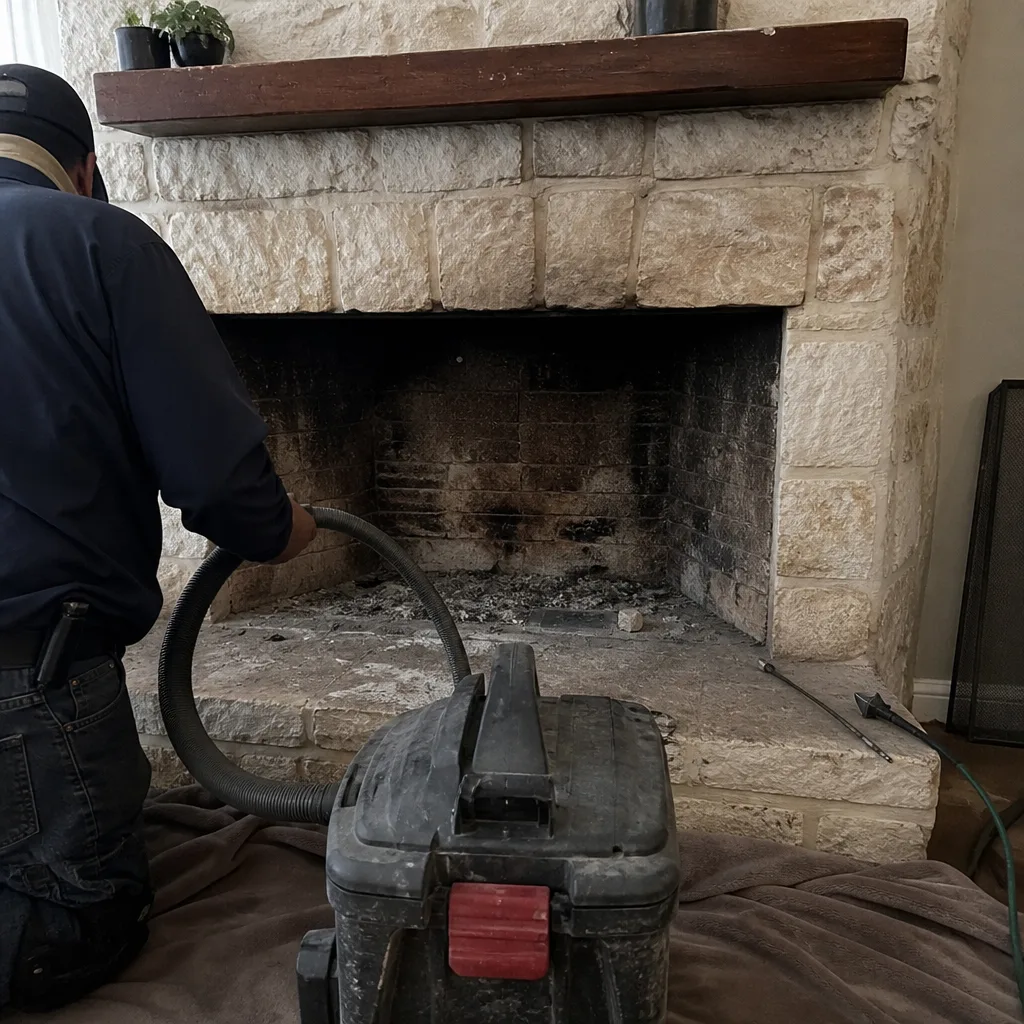 Before
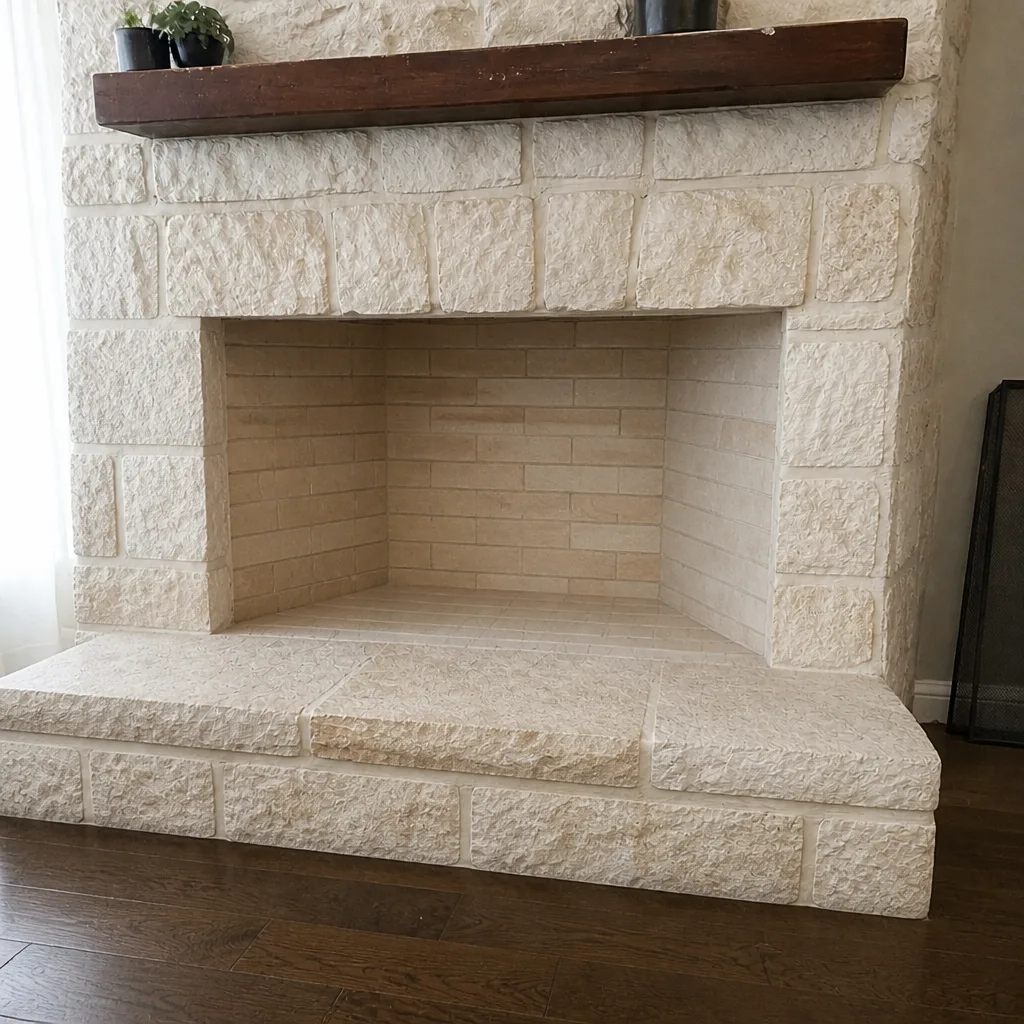 After
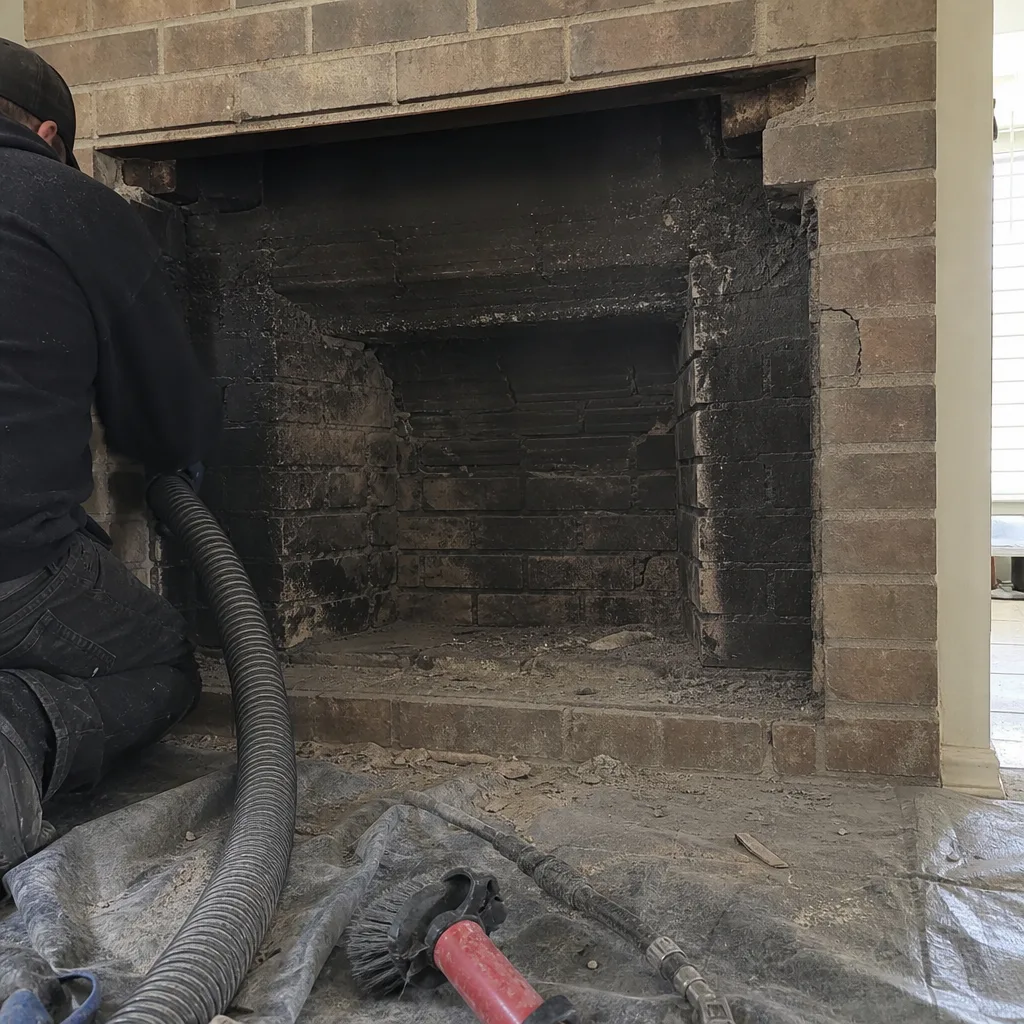 Before
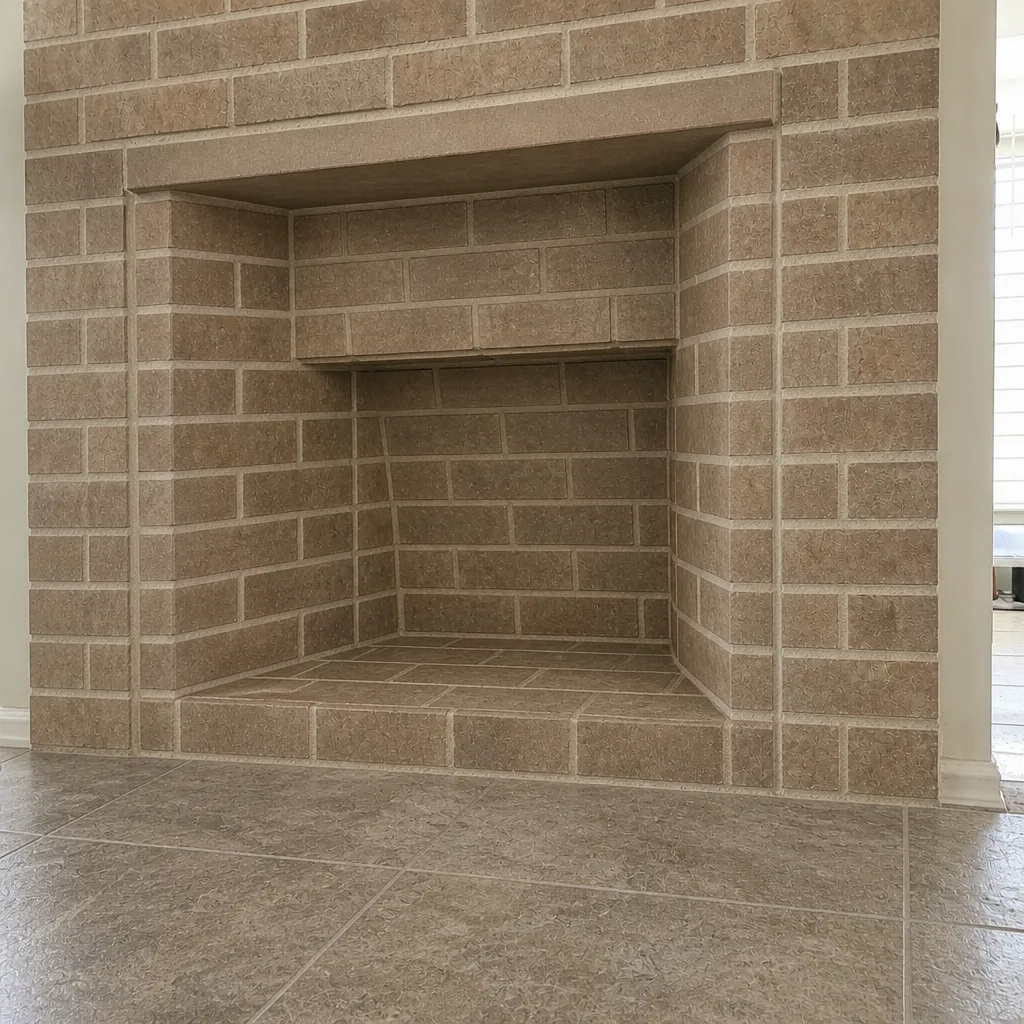 After
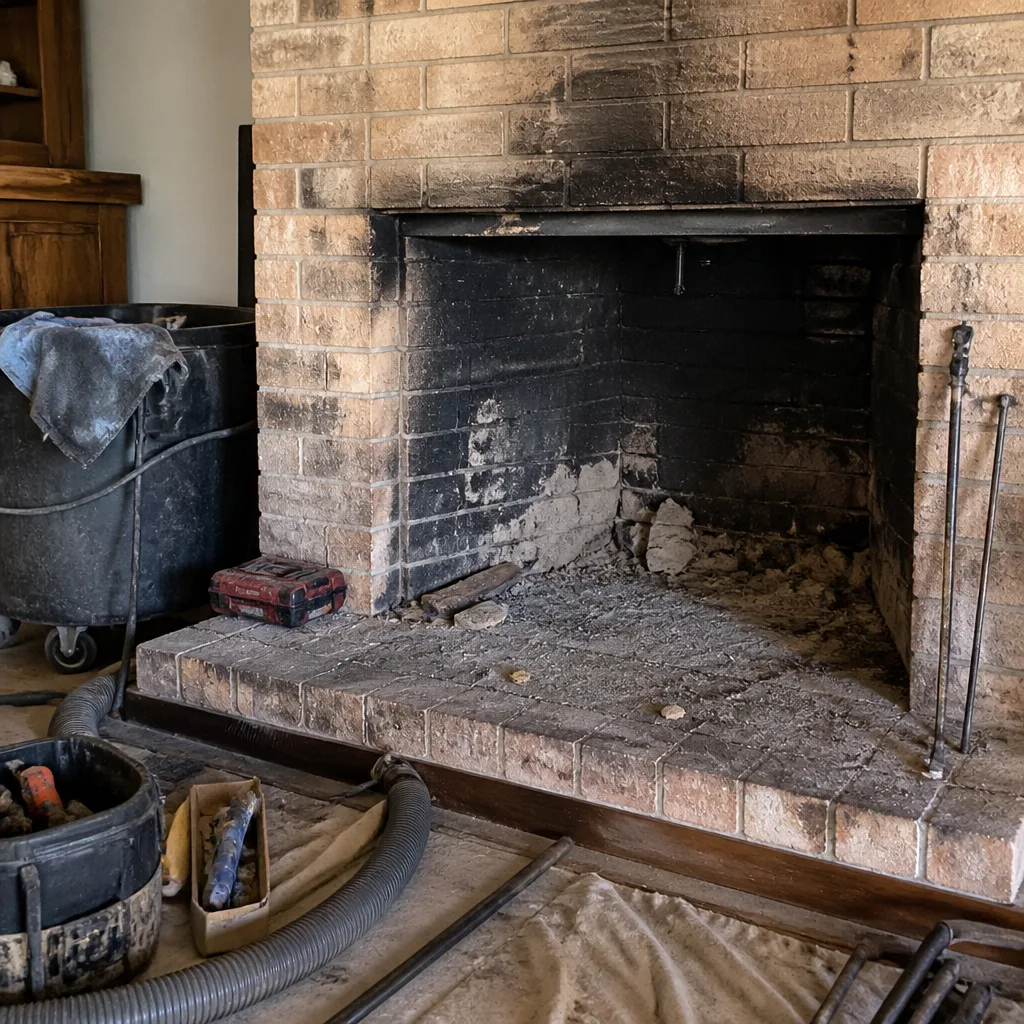 Before
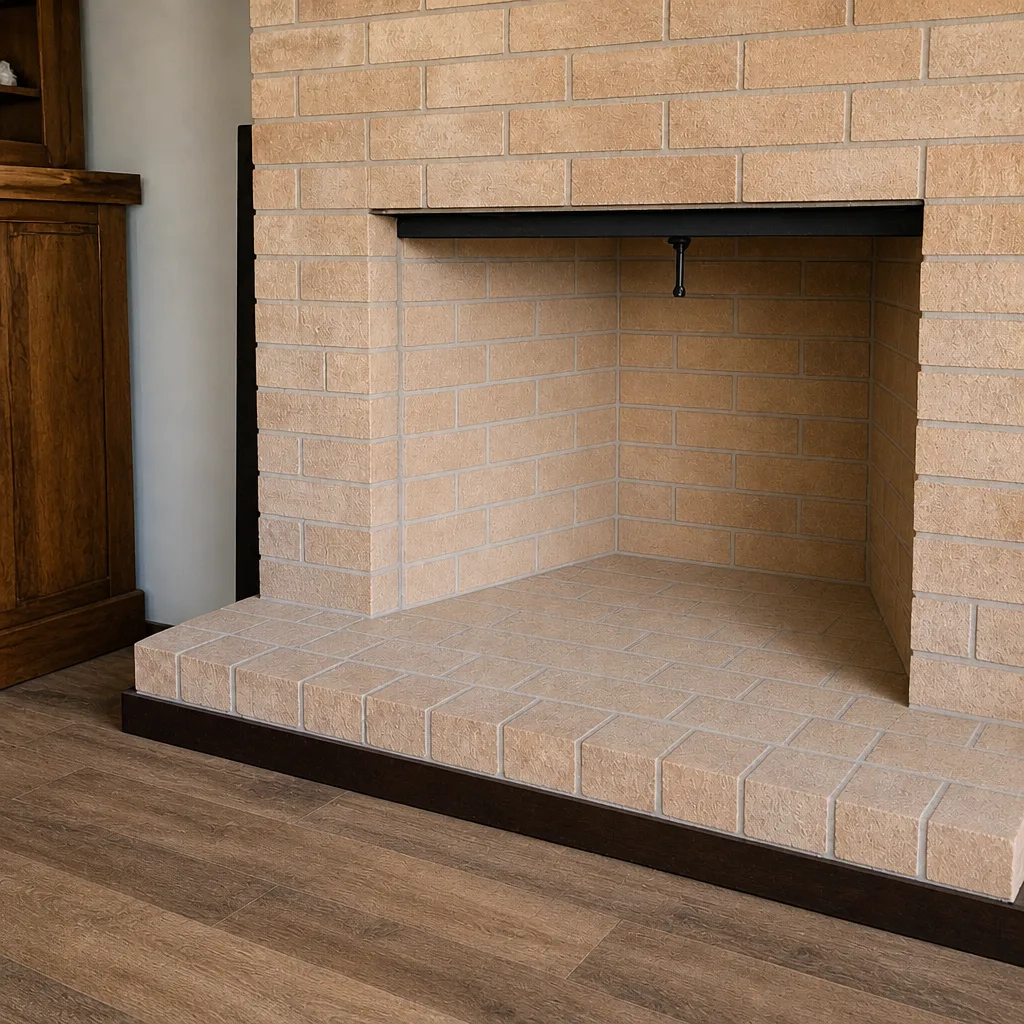 After
When to Call a Professional
Call a professional whenever the situation involves fire, smoke, or carbon monoxide in a way you can’t explain. Specifically: after any chimney fire, suspected or confirmed; when a fireplace smokes back into the room; when you smell smoke in a room with no fire lit; when your CO alarm sounds with the fireplace running; when your dryer runs hot or twice as long as it used to; when you see flames or hear a roar at the cleanout; and when it’s simply been more than a year since the last sweep. A trained technician has the camera, the materials, and the training to tell you what’s actually happening inside the flue. Chimney Sweep Midland offers free estimates in Midland. Call (866) 942-7865. We answer 24/7, and dispatch runs 7am to 7pm, Sunday through Friday.
Frequently Asked Questions
Close the damper, get everyone out of the house, and call 911 from outside. Don’t open windows or doors to clear smoke, and don’t pour water down the chimney. Those three actions (close, leave, call) are the whole protocol in the first thirty seconds. Call (866) 942-7865 for an exact quote on a post-fire inspection – estimates are free.
Yes. NFPA 211 calls for a Level II inspection after any known or suspected chimney fire, and it’s not optional. The fire department checks the scene; the inspection checks the flue. Relighting without that inspection means you’re burning into an unknown condition. Call (866) 942-7865 to book an inspection in Midland – estimates are free.
Yes, and it’s one of the more dangerous scenarios we encounter in Midland. A bird nest or debris blockage can push colorless, odorless CO back into the room while the fireplace looks fine. If your CO alarm sounds only when the fireplace runs, treat it as a chimney problem and get the flue inspected. Call (866) 942-7865 for a free estimate.
Once a year during regular use is the standard rule of thumb, along with an inspection that confirms the flue is sound. If you burn frequently, or burn unseasoned wood, the creosote builds faster and you may need it more often. A Midland home with a wood-burning insert should be on an annual schedule. Call (866) 942-7865 for a free estimate.
A burning smell, a dryer or wall that feels excessively hot, cycle times that have roughly doubled, or lint visible around the outside vent flap. Any one of these is enough to shut the dryer down and have the vent inspected. Call (866) 942-7865 for a free estimate on dryer vent service.
Creosote keeps accumulating and the flue gets more vulnerable to a stray ember with each fire. In Midland, an uncapped flue also risks a nest during the off-season, which can produce a blockage and a carbon monoxide problem by the time the first cool night arrives. Skipping a season is exactly how a “fine last year” system becomes a problem. Call (866) 942-7865 for a free estimate.
We answer 24/7. A call outside dispatch hours is booked into the next opening, Sunday through Friday, 7am to 7pm. Same-day service is available, and the price is set per job by the written estimate. Call (866) 942-7865 for a free estimate.
The Bottom Line
Emergency preparedness for a chimney isn’t about stocking up on supplies or waiting for a crisis. It’s about knowing three things before you need them: what to do in the first thirty seconds of a chimney fire (close the damper, leave, call 911), why a post-fire Level II inspection isn’t optional, and how a blocked flue can produce carbon monoxide with no smoke at all. Add a dryer vent check to the list, since it’s the other combustion-exhaust system in your home. Get a sweep before fire season, cap your flue, and keep the fire department’s non-emergency number saved. When you’re ready, call (866) 942-7865. We answer 24/7, with fast dispatch from 7am to 7pm, Sunday through Friday, and we’re closed Saturday.
Written by the team at Chimney Sweep Midland, serving Midland since 2011.