
Last updated November 14, 2026
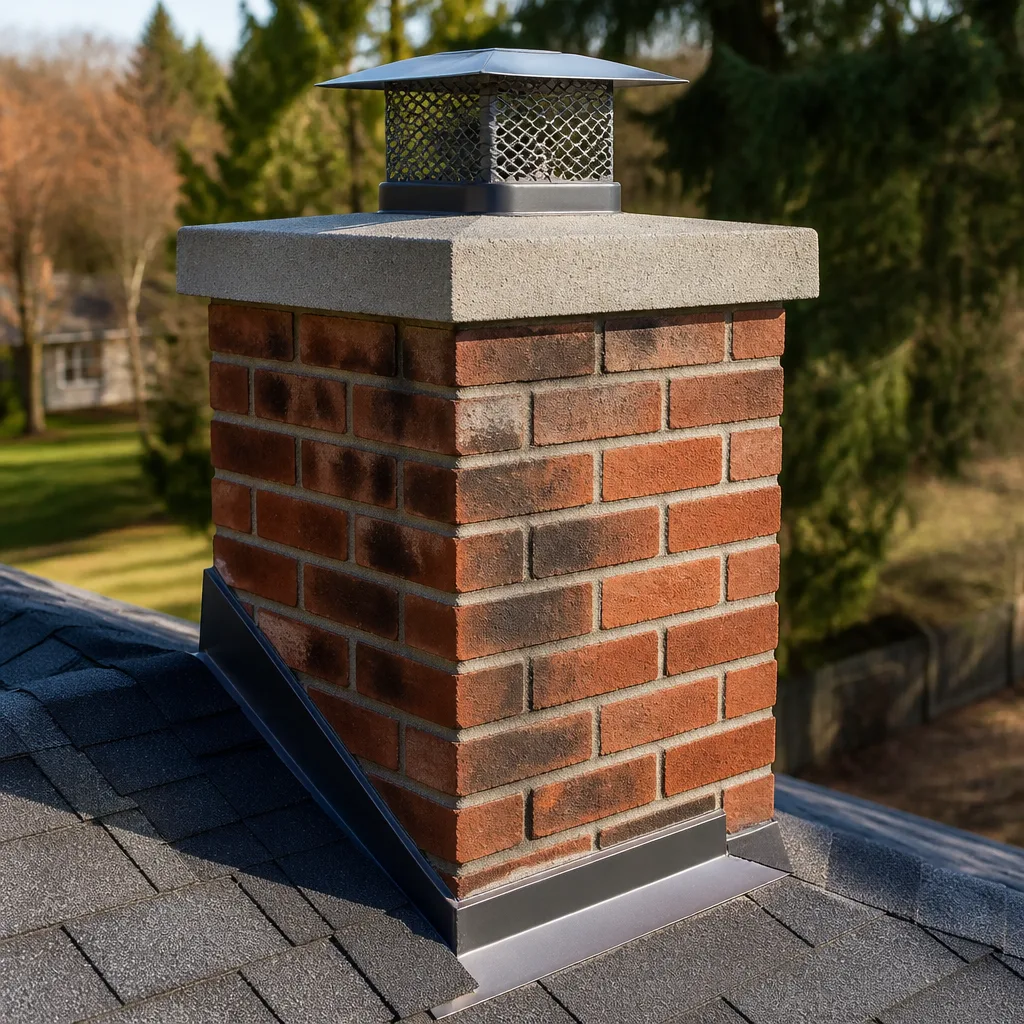 Sweep & inspection
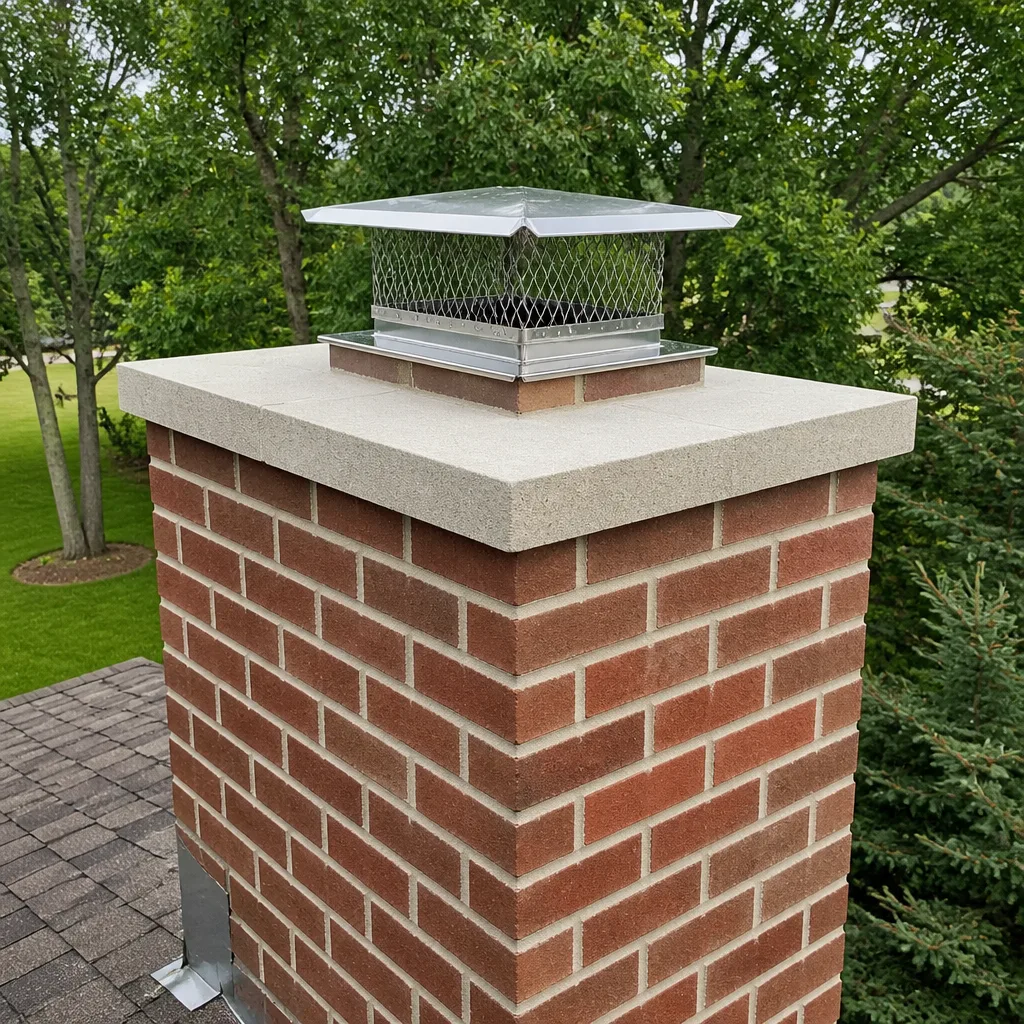 Caps & crowns
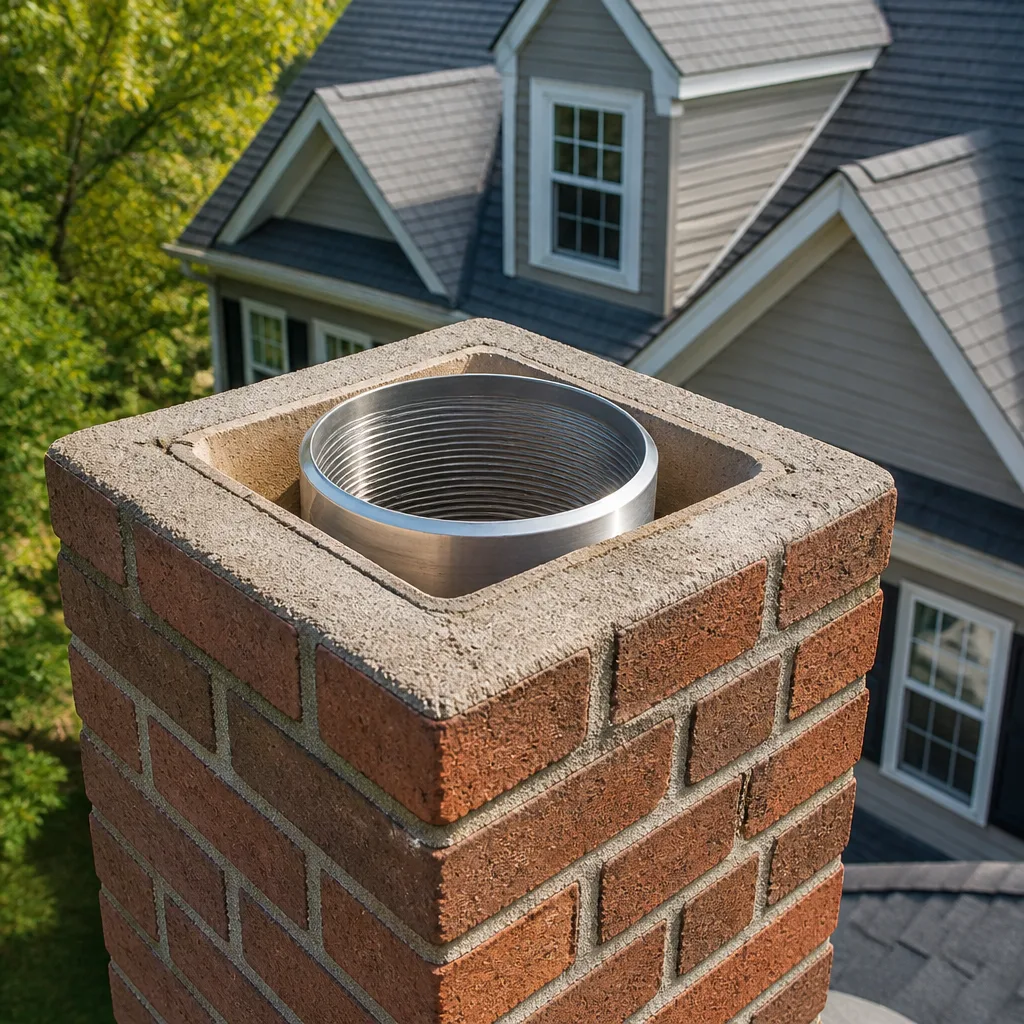 Flue relining
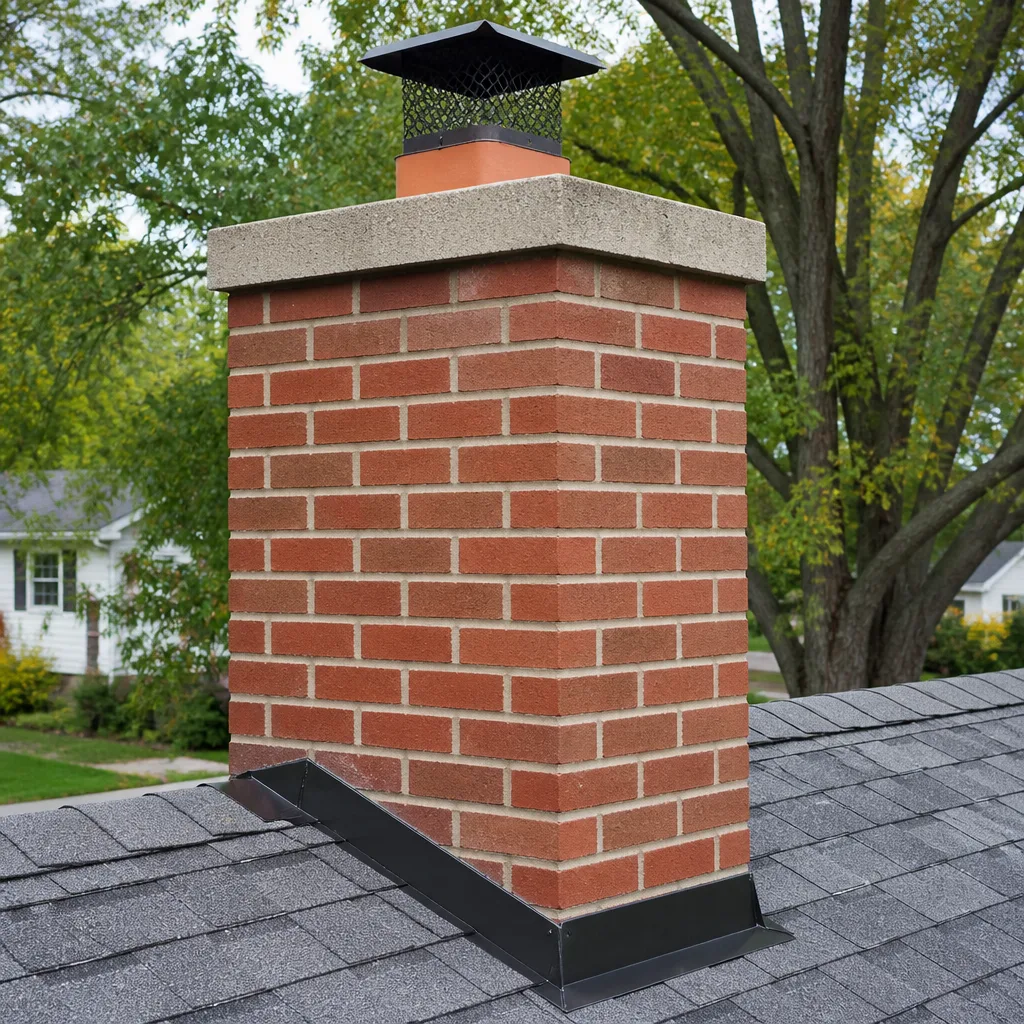 Masonry repair
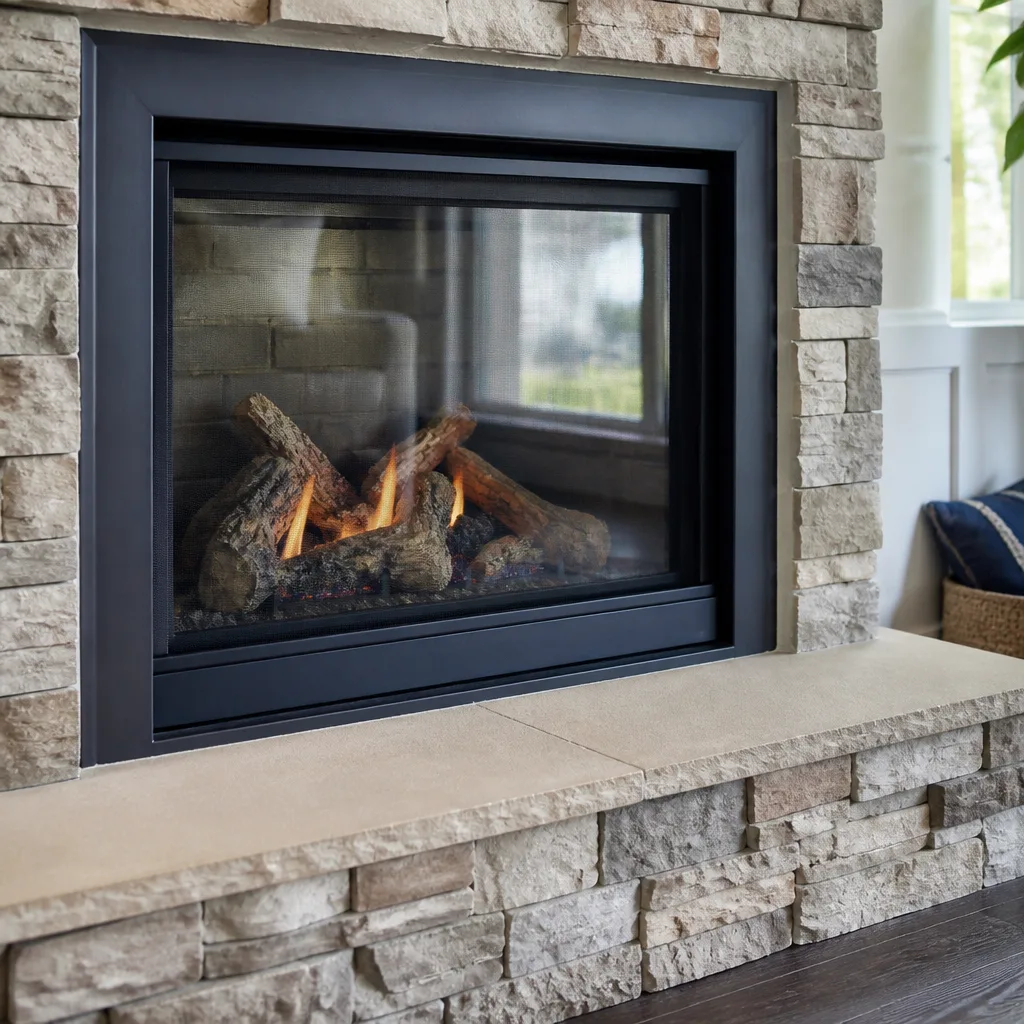 Gas fireplace service
Level 1 sweep and inspection to the NFPA 211 annual standard - flue, crown, cap, and flashing checked and photographed
Chimney sweep logs do not sweep chimneys. They loosen some creosote - which then falls where a brush and vacuum still have to collect it.
Chimney Cleaning Cost Breakdown: The Midland Homeowner’s Reference for 2026
Two quotes land in your inbox on the same afternoon. One says $89. The other says $280. Both promise to “clean your chimney.” They are not the same job, and the gap between them isn’t profit margin – it’s inspection depth, containment equipment, and whether anyone hands you a written record of what your flue actually looks like inside. That difference matters in a place like Midland, where ranch-style rooflines and hard-working fireplaces put real demand on a system most homeowners never see. This guide names the line items behind a chimney cleaning quote in Midland: what a base sweep covers, what moves the price up or down, what repairs cost when the camera finds something, and how to tell a fair quote from a cheap one.
Quick Answer
A chimney cleaning in Midland in 2026 typically runs $150 to $280 for a standard sweep with a Level I inspection and a written condition report. The low $89 to $120 quotes usually skip inspection documentation, HEPA containment, or both. Repairs, liner work, and dryer vent cleaning are priced separately, and the written estimate you receive before any work begins is the number that counts.
Styles & brands we work with
- Sweep & inspection
- Caps & crowns
- Flue relining
- Masonry repair
- Gas fireplace service
Table of Contents
- What a Real Chimney Cleaning Includes
- What Moves the Price Up or Down in Midland
- Creosote Stages and Why They Change the Quote
- Repair Cost Benchmarks: Firebox, Crown, and Liner
- Stainless Liner Installation: What Diameter and Length Mean for Price
- Dryer Vent Cleaning Add-On Pricing and Why Bundling Helps
- What to Ask When a Quote Seems Too Low
- Frequently Asked Questions
What a Real Chimney Cleaning Includes
A proper chimney sweep is three jobs performed in order: inspection, cleaning, and documentation. The $89 quote usually performs one of them.
Here’s how a full sweep actually runs, and why it takes 45 to 90 minutes rather than 20:
- Level I inspection first. Before any brush touches the flue, the technician checks the firebox, damper, smoke chamber, flue interior, and the exterior of the chimney from the roof. This is what tells us whether the chimney is safe to sweep at all. A heavily glazed creosote deposit, for instance, gets handled differently than light soot.
- Containment setup. A HEPA vacuum and drop cloths go down before the first brush stroke. This is the step cheap quotes skip, and it’s why their customers find soot on the mantel afterward.
- Sweeping with the right brush for the flue. A masonry flue takes a polypropylene brush. A stainless liner takes a different grade so the brush doesn’t score the metal. Consumer brushes sold at hardware stores are sized for one flue type and don’t flex with the flue’s shape.
- Camera inspection where needed. When the Level I inspection flags something – cracking, gaps at the flue joints, offset sections – a camera run down the flue turns a guess into a picture. You should see that picture.
- Written condition report. This is the document that separates a real sweep from a cheap one. It records what was found, what’s safe to use as-is, and what needs attention and when.
That’s what the $150 to $280 range buys. The cleaning itself is the middle of the job, not the whole of it. Homeowners who call Chimney Sweep Midland get the full sequence every time, because skipping the inspection means the cleaning can’t be verified as complete.
What Moves the Price Up or Down in Midland
Two houses on the same block can get quotes $100 apart. Here’s what’s actually driving the difference.
Flue height and roofline
Midland’s stock of single-story ranch homes has a specific effect on the cost of a sweep: shorter chimneys mean less flue to brush, which generally keeps a job at the low end of the range. But the low-pitch roofline on many of those homes is trickier to walk than a steep one, and the technician has to set up roof access carefully. A two-story with a tall flue, or a chimney set against a steep pitch, adds time on the roof and moves the quote up.
Fuel type
Wood-burning fireplaces produce the most creosote and take the longest to sweep. Gas fireplaces burn cleaner, but they still need the flue checked for venting and debris. A gas insert with a blocked vent is a carbon monoxide concern, not a cosmetic one. Oil appliances are not typical in Midland homes and generally fall outside the standard residential sweep range.
Creosote stage found
Light soot brushes off in a few minutes. Glazed, tar-like creosote takes longer, needs different tools, and sometimes needs chemical treatment before the brush will touch it. This is the single biggest price variable on any sweep, and it’s the one thing no one can quote accurately over the phone.
Access difficulty
Chimney caps with tight clearances, blockages from birds or debris, or a firebox filled with ash all add time. A Midland chimney crowned and capped correctly from the start rarely needs the extra access work, which is one reason we push Gelco caps and covers on every job where they’re missing.
The honest answer to “how much will mine cost” is: we don’t know until we’re on the roof. What we can tell you is the range, and that the written estimate after inspection is the final number.
Creosote Stages and Why They Change the Quote
Creosote is the residue left behind by burning wood, and it builds up in three recognizable stages. Each stage adds cost to the sweep, and each one changes what’s safe to do afterward.
- Stage 1 – soot and flaky dust. Brushes off easily with a standard sweep. This is the low end of the $150 to $280 range.
- Stage 2 – hardened, crusty deposits. Requires harder brushing and sometimes a second pass. Adds time on-site and occasionally needs a chemical agent to soften the deposit first.
- Stage 3 – glazed, tar-like creosote. The most dangerous stage. A brush won’t remove it. Stage 3 creosote can ignite, which is why a chimney fire can start without a spark or a flame near the firebox. The fix is a chemical treatment cycle followed by a re-sweep, sometimes spread over more than one visit, and the repair scope grows from there.
You cannot tell which stage you’re at by looking up the firebox with a flashlight. You need the flue scoped. This is why a sweep that doesn’t include a camera or at minimum a proper flue inspection is worth less than the paper it’s on. Call (866) 942-7865 for a free estimate. We answer 24/7. Fast dispatch from 7am to 7pm, Sunday through Friday, and we’ll tell you the stage before we quote the job.
Repair Cost Benchmarks: Firebox, Crown, and Liner
Once the sweep is finished and the report is written, repairs are a separate conversation. Here’s what the common ones cost in Midland and what drives each quote.
Firebox panel replacement: $400 to $1,200
The firebox takes the direct heat of every fire. When a panel cracks, it needs to be replaced, not patched. Cost depends on how many panels are compromised and what the box is built from. A single rear panel is at the low end. A full rebuild, with the smoke chamber and damper assembly checked while the box is open, lands at the high end.
Mortar crown repair: $300 to $850
The crown is the concrete cap at the top of the chimney that sheds water off the flue. When it cracks, water works into the masonry. This is the repair cheap quotes miss because it’s up on the roof and it’s boring, and it’s what causes the masonry repairs that run into the thousands later. Pre-mixed crown patch is fast and handles a hairline crack. A Portland-based contractor-grade mix is what a proper rebuild takes. We stock Olympia Chimney crown components so a job doesn’t wait on a special order.
Stainless liner installation: $1,800 to $4,500
This is the line item Midland homeowners ask about most, and it’s the one with the widest range. It’s covered in detail in the next section. The one thing to know right now: if a sweep technician tells you that you need a full liner and can’t show you the camera footage of what they found, you’re being sold, not diagnosed.
Chimney cap and damper work: $150 to $600
Caps keep rain, birds, and debris out of the flue. A missing cap is common and a cheap fix. Dampers take the full price range depending on whether it’s a repair or a top-mount replacement. We use Gelco for caps and covers because a cap that fails in two summers is worse than no cap at all.
Stainless Liner Installation: What Diameter and Length Mean for Price
A chimney liner is the metal or clay tube that carries smoke from the firebox up past your roof. When the original clay tiles crack or the flue joints separate, gases that should leave the house can enter the masonry itself. That’s how a chimney that looks fine becomes a carbon monoxide risk.
Liner price is driven by two specs: diameter and length.
- Diameter – a 6-inch liner handles most wood-burning appliances. An 8-inch liner takes more material per foot, which pushes the upper end of the range.
- Length – a single-story ranch in Midland might have a flue 12 to 15 feet tall. A taller flue or a two-story home might run 25 feet or more, and the material cost scales with every foot.
Those two numbers, multiplied against the material cost, explain most of the $1,800 to $4,500 spread. The rest is access and whether the old liner needs to be removed first.
What we actually install
We reline with DuraFlex, the professional flexible liner standard. It’s UL-listed stainless, rated for wood fuel, and it’s what a homeowner can verify by looking at the stamped rating on the material before it goes in. Trade-grade materials cost more than a hardware-store substitute because the substitute isn’t rated for the job. We don’t use the substitute.
When HeatShield makes sense instead
Not every cracked flue needs a full reline. A ceramic flue in otherwise good shape with localized damage to the flue joints can often be resurfaced using HeatShield rather than torn out and replaced. A HeatShield application sprays a ceramic material onto the inside of the flue, fills cracks and gaps, and brings the flue back to a usable condition at a lower cost than full relining. This is where a chimney sweep who only sweeps has to turn the job away and refer out. Our crew can restore a salvageable flue in the same visit as the sweep. The camera footage from the sweep determines which path is right, and the footage is shared with you before anything is quoted.
What a liner quote should include
- The diameter and length being quoted, in writing.
- The material brand and its UL rating, on the estimate.
- A camera inspection before and after installation.
- Insulation specification around the liner, where used.
- A written statement of what was found and what the liner will correct.
Call (866) 942-7865 for a free estimate. Estimates are free, and we don’t recommend any liner work without video evidence you can look at yourself.
Dryer Vent Cleaning Add-On Pricing and Why Bundling Helps
Here’s the thing most homeowners miss: a dryer vent is a combustion exhaust path in its own right, and a clogged one is one of the leading causes of residential fire in this country. Lint is fuel. Heat is the igniter. The dryer does the rest.
A standalone dryer vent cleaning in Midland typically runs $95 to $175, depending on the length and routing of the vent run. Long runs with elbows take longer to clean and take more time on-site. A short, direct run behind the dryer is at the low end.
Adding it to a chimney sweep visit generally keeps the combined total below what the two cost as separate appointments, because the technician is already in the house with the vacuum and containment equipment out. One visit, one setup, two safety systems checked. That’s the practical reason we offer both under one roof rather than sending you to a third party.
Dryer vent cleaning isn’t a chore. It’s a fire-safety check that happens to come with a lint cleanup. When the vent is clear, the dryer runs cooler, dries faster, and the fire load drops. We use Famco-compatible venting components for repairs because a crush-prone foil transition hose is a common cause of re-clogging, and it gets replaced with rigid or semi-rigid ducting that holds its shape.
Signs your dryer vent needs attention:
- Clothes take two cycles to dry instead of one.
- The dryer cabinet feels hot on the outside.
- You haven’t had the vent cleaned in over a year of regular use.
- Lint builds up behind the dryer or around the vent cap outside.
What to Ask When a Quote Seems Too Low
If the number looks great, ask these questions before you book. The answers will tell you whether the quote is honest or built on shortcuts a homeowner can’t see.
- “What inspection level does the price include?” A Level I inspection should be in writing. If the quote says “visual check” with no documentation, you’re paying for a sweep with nothing to verify it.
- “Do you use a HEPA vacuum?” If not, the soot and dust go into your living room. This is the single clearest signal of a professional setup.
- “Can I see the camera footage of my flue?” Any contractor recommending liner work should be able to show you why. If they can’t, the recommendation is a guess.
- “What’s the brand and UL rating of the liner material?” The answer should be a real spec, not “our standard liner.” DuraFlex is a known professional standard; an unnamed substitute isn’t.
- “Are you insured and bonded?” You should get this in writing, not verbally.
- “What happens if the flue needs a HeatShield application or a reline?” A sweep-only contractor turns the job away. That doesn’t make it a bad quote, but it does mean you’ll make a second call.
A quote that’s low because the job is small and the sweep is fast is a good quote. A quote that’s low because the inspection is skipped, the vacuum is missing, and the liner material is an unrated substitute is a bad hire waiting to cost more than the difference saved. Call (866) 942-7865 for a free estimate. Every number we give you is written down before any work starts.
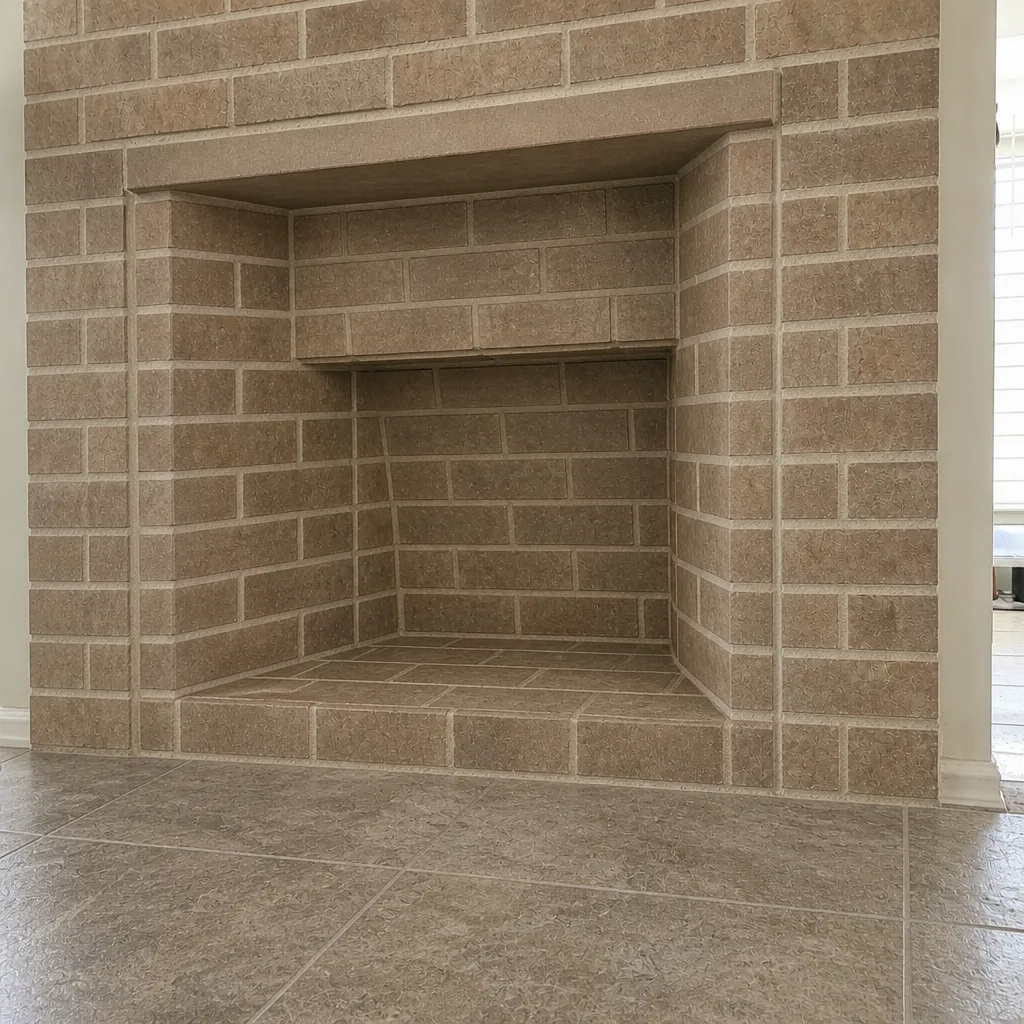
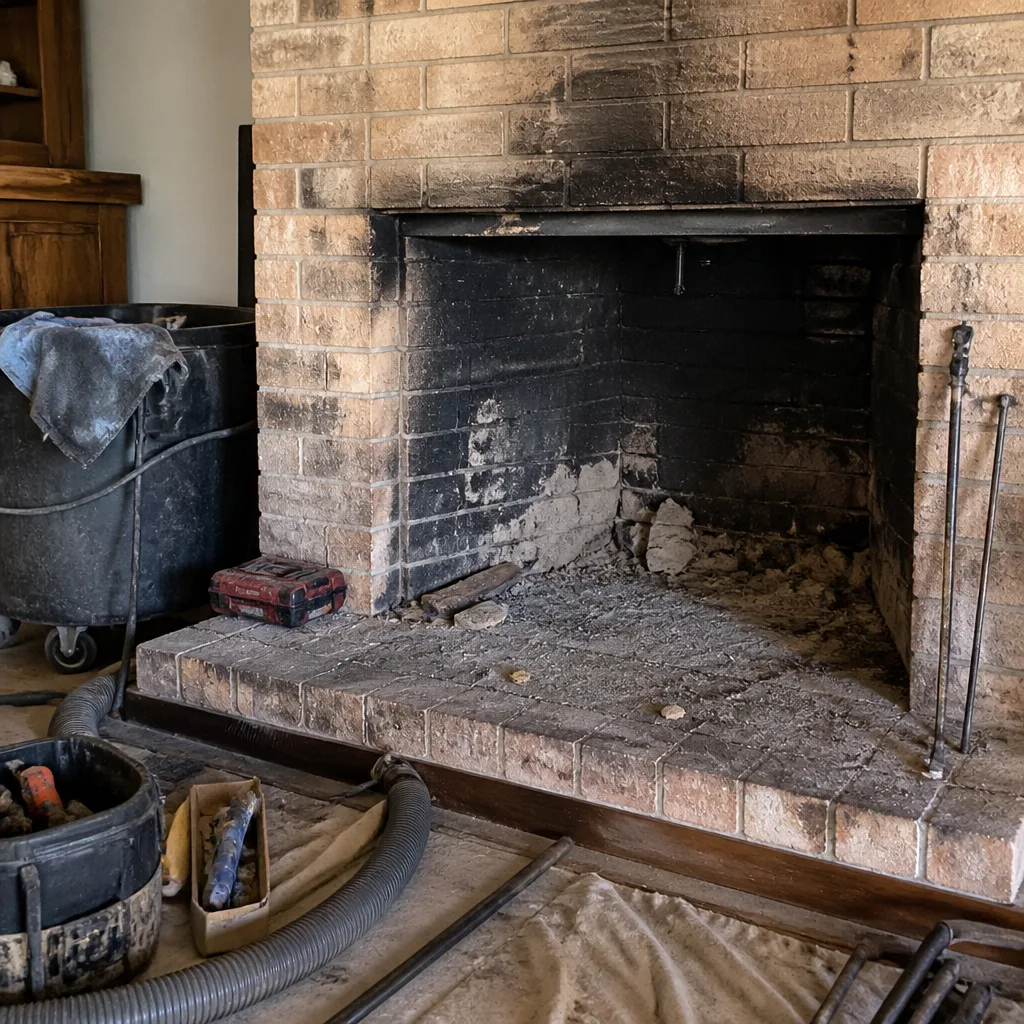
See the difference
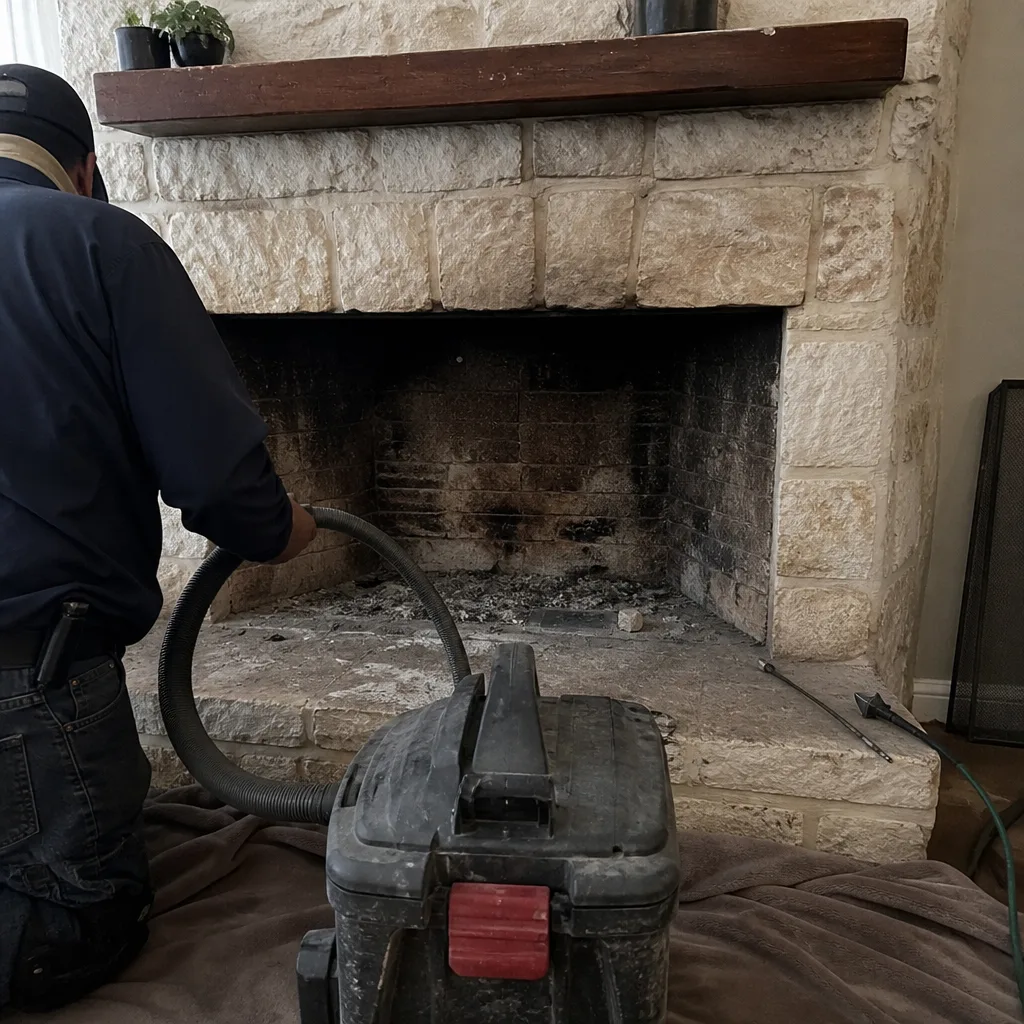 Before
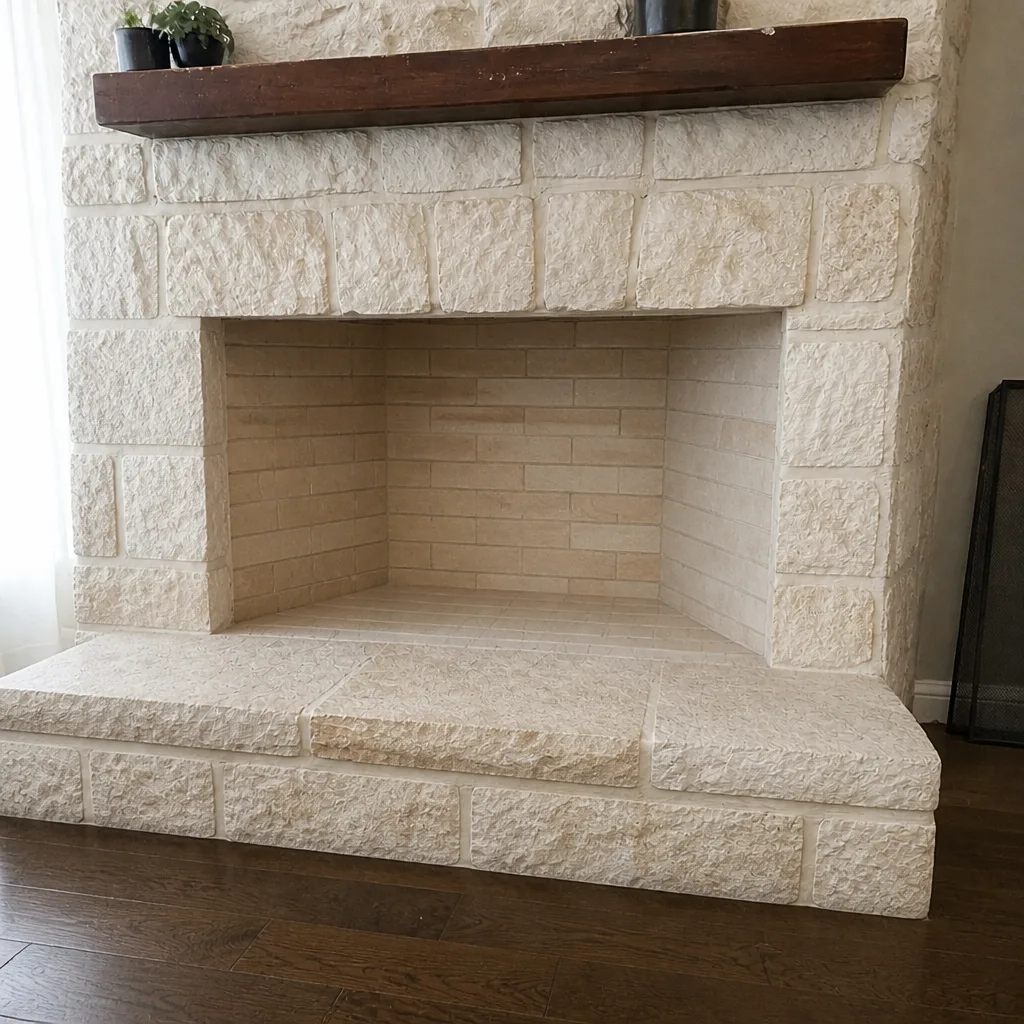 After
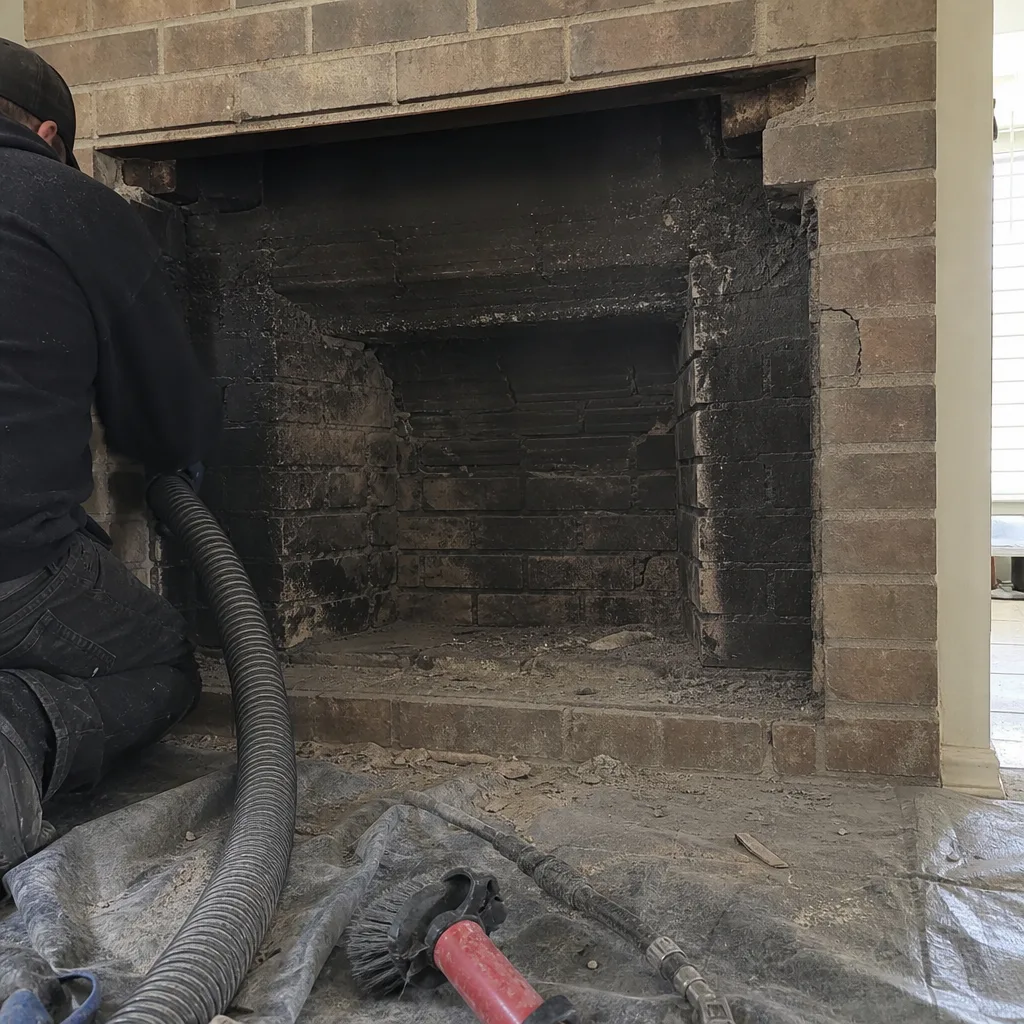 Before
 After
 Before
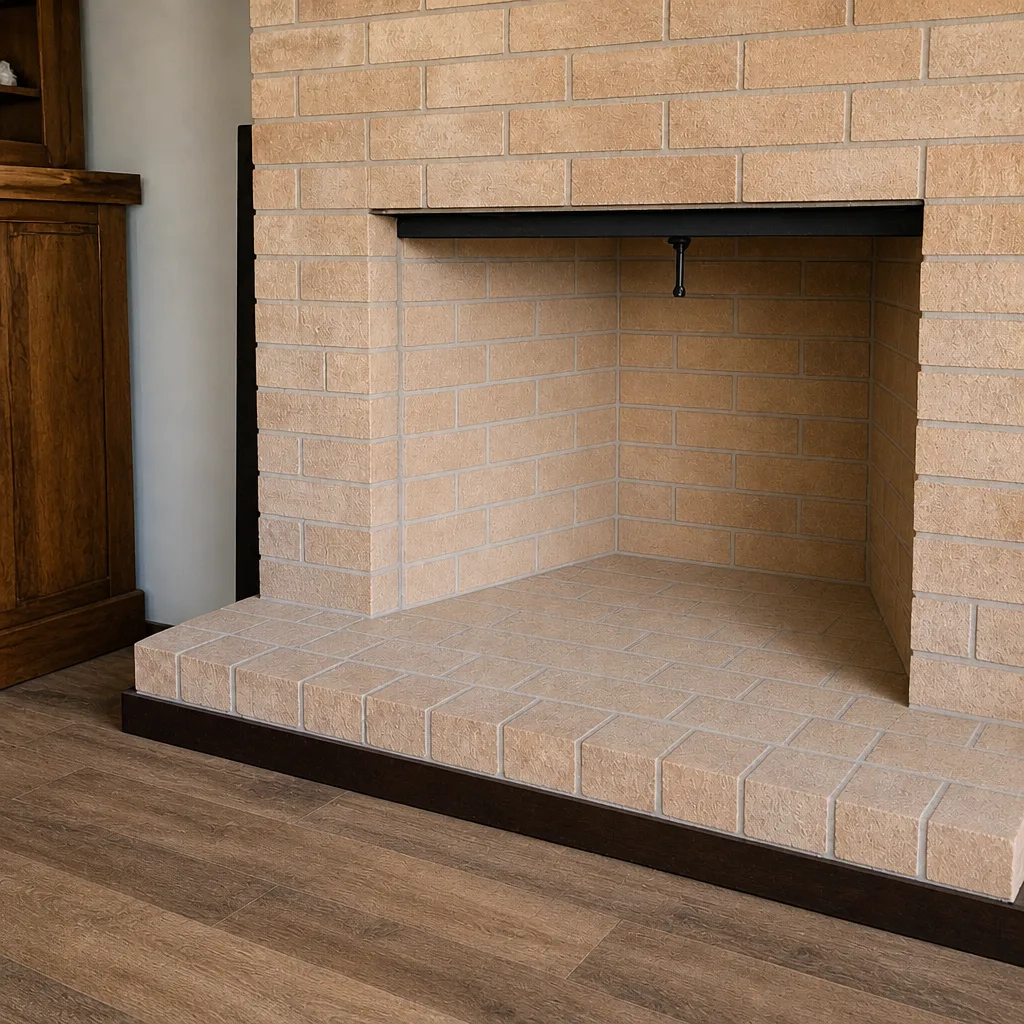 After
Common Mistakes to Avoid
- Booking on price alone. The cheapest quote is cheapest because something was left out of the job. Find out what before you book.
- Not asking about the inspection. A sweep without a documented flue inspection is a cleaning with no proof it worked. Ask for the report before the visit.
- Skipping the crown check. A cracked mortar crown lets water into the masonry and turns a $300 repair into a much larger one. Have the crown looked at every time the roof access is set up.
- Scheduling a dryer vent cleaning separately from everything else. The same technician, same vacuum, same visit. Bundling it with a sweep takes a full appointment off your schedule.
- Assuming a liner isn’t needed because the fireplace still draws. A fireplace can draw well and still vent gas into the masonry through a cracked flue tile. The camera is what answers the question, not the draw.
- Accepting a verbal answer on what the job will cost. Estimates in Midland are free and they’re written. If you don’t have it in writing, you don’t have a price.
- Ignoring glazed creosote for a season. Stage 3 creosote is the fire risk, and it does not resolve itself. It has to be chemically treated and swept.
When to Call a Professional
There are a few situations where a homeowner shouldn’t wait on a chimney sweep: a fireplace that hasn’t been cleaned in over a year of regular use, a smell of smoke in the room when no fire is burning, cracked mortar visible at the crown, a dryer that runs hot or takes two cycles to dry, or a quote for liner work that came without camera footage. Any one of these is worth a call. Two of them together, call sooner. Chimney Sweep Midland offers free estimates in Midland – call (866) 942-7865. We answer 24/7. Fast dispatch from 7am to 7pm, Sunday through Friday. If you’re not sure whether it’s urgent, ask. We’d rather tell you a job can wait than sell you one you don’t need.
Frequently Asked Questions
A standard chimney sweep in Midland typically runs $150 to $280 for a Level I inspection, HEPA-contained sweeping, and a written condition report. Repairs, liner work, and dryer vent cleaning are priced separately. The written estimate after inspection is the final price. Call (866) 942-7865 for a free estimate. Estimates are free.
The difference is what’s included. The lower quote usually skips the documented inspection, HEPA containment, or the written report. The higher quote includes all three plus the technician time to do them. One is a cleaning. The other is a cleaning you can verify. Ask what the quote includes before you book the cheap one.
Not always. A cracked or deteriorated flue can sometimes be restored with a HeatShield ceramic resurfacing rather than a full DuraFlex liner installation, depending on what the camera inspection finds. You should see the footage before any liner is recommended. Call (866) 942-7865 and we’ll show you what’s actually there.
Once a year during active burning season is the usual recommendation, with a sweep at the start of the season so the chimney is clear going in. A fireplace used lightly may stretch to a longer interval, but the annual inspection is worth keeping regardless.
Creosote builds up over time and in later stages can ignite inside the flue, producing a chimney fire. A cracked flue tile can also let combustion gases into the masonry instead of out the top. Neither issue is visible from the firebox. A sweep and inspection catch both. Call (866) 942-7865 for a free estimate if it has been a while.
Dryer vent cleaning typically runs $95 to $175 in Midland depending on vent length and routing. Bundling it with a chimney sweep generally costs less than booking the two separately, because the technician is already on site with the equipment out. A clogged dryer vent is a leading residential fire cause, so the check is worth making. Call (866) 942-7865.
Yes. A chimney repair that isn’t a fire risk can be scheduled later, and we’ll say so on the report. Nothing gets recommended without camera evidence you can see for yourself. The written estimate is always the price that counts.
The Bottom Line
Chimney cleaning in Midland in 2026 runs $150 to $280 for a proper sweep with inspection and documentation. The $89 version costs less because it’s less. Repair work – firebox panels, crowns, liners – sits in separate ranges driven by material, diameter, and flue length, and the crown is the repair most often skipped and most expensive to defer. Dryer vent cleaning at $95 to $175 bundled with a sweep is the cheapest fire-safety check a homeowner can make. The thing that matters most is evidence: if a contractor can’t show you what’s in your flue and put the price in writing, keep looking. Call (866) 942-7865 for a free estimate. We answer 24/7. Fast dispatch from 7am to 7pm, Sunday through Friday.
Written by the team at Chimney Sweep Midland, serving Midland since 2011.