
Last updated November 14, 2026
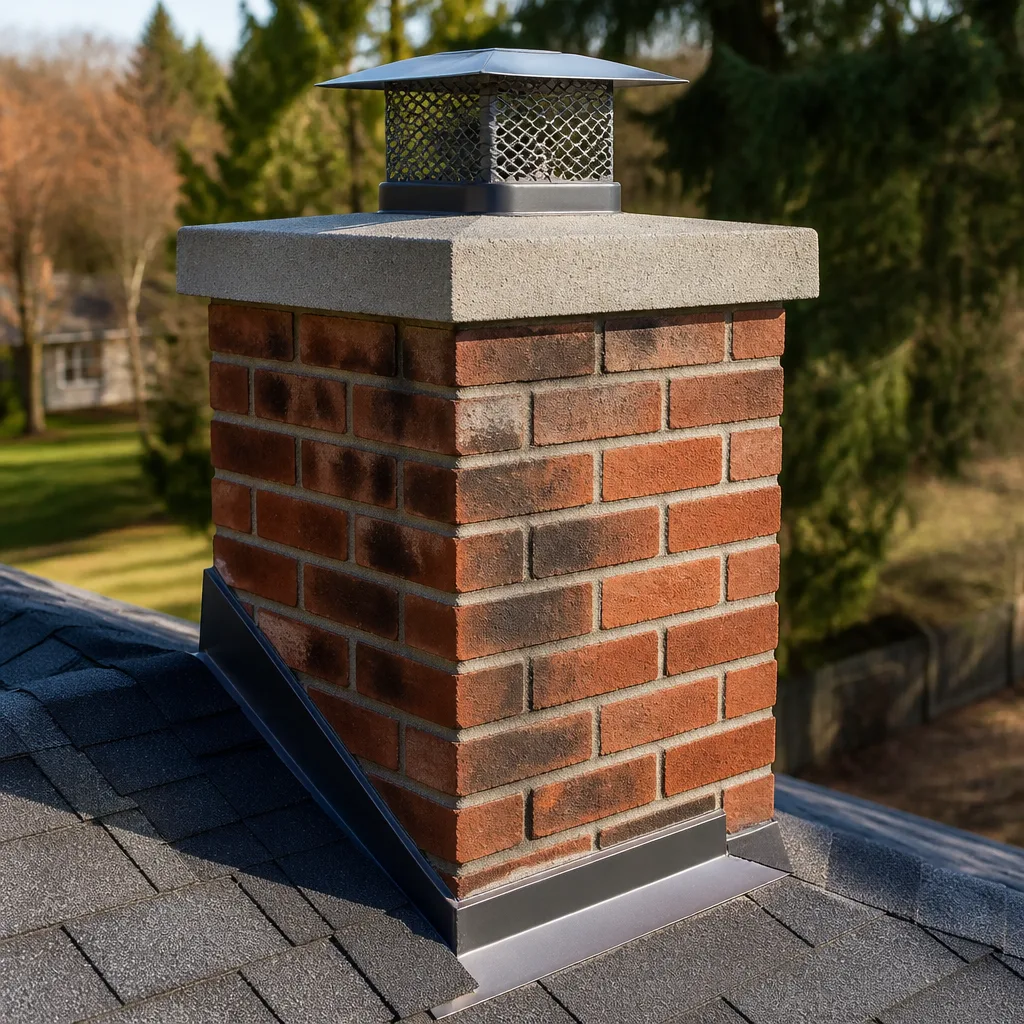 Sweep & inspection
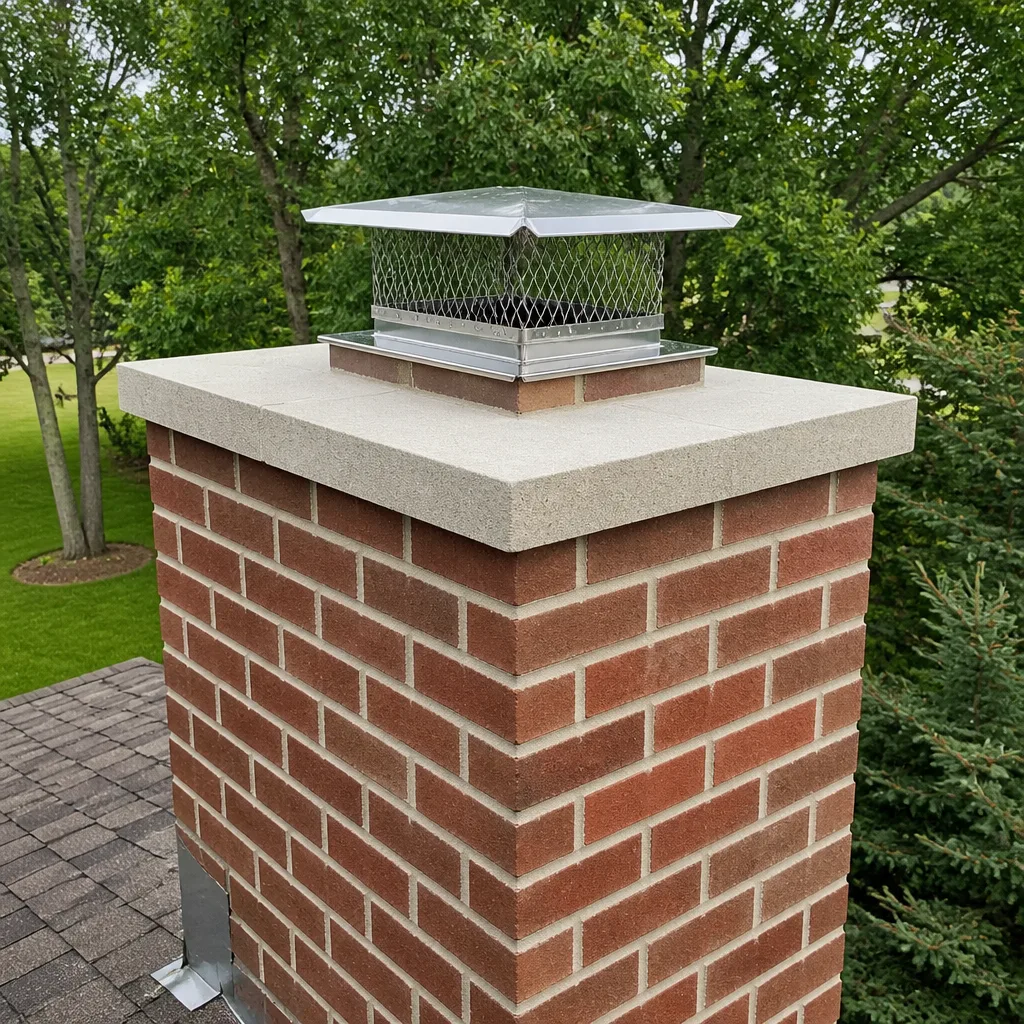 Caps & crowns
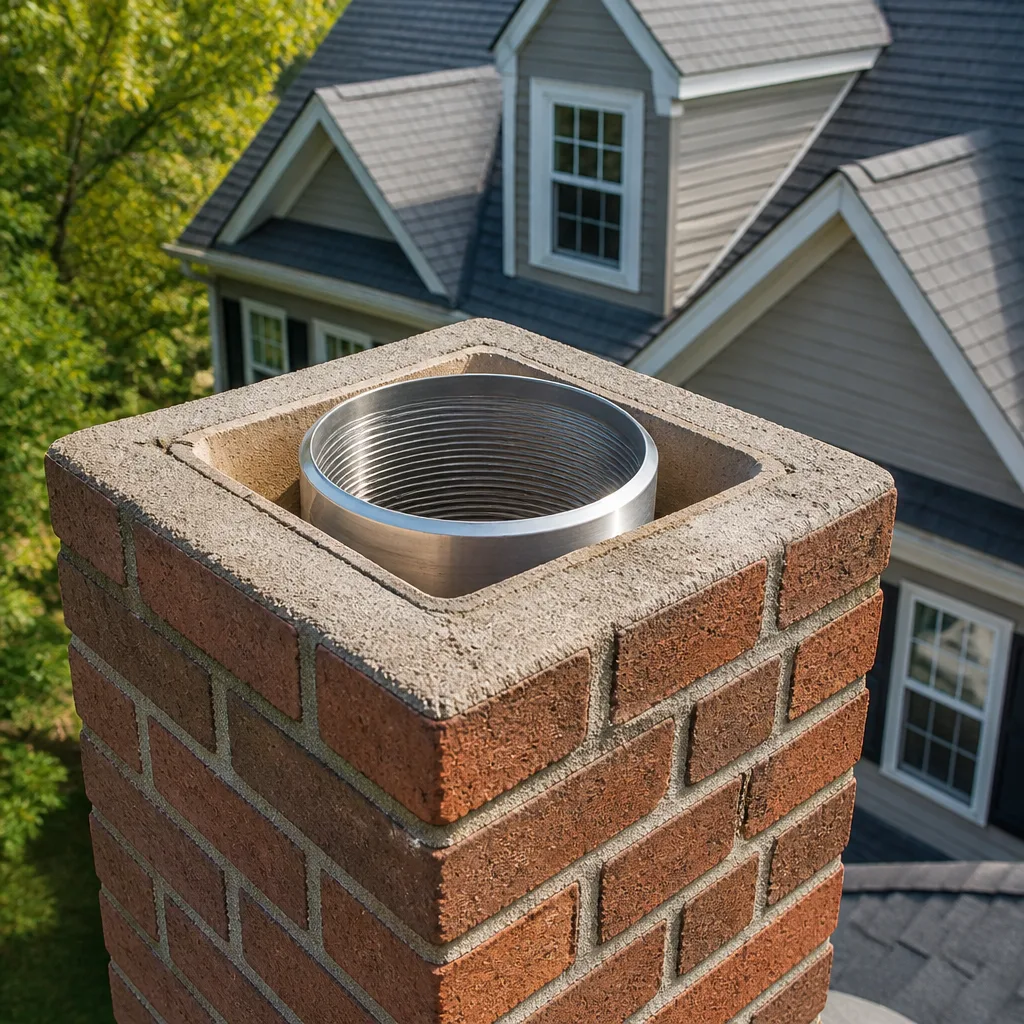 Flue relining
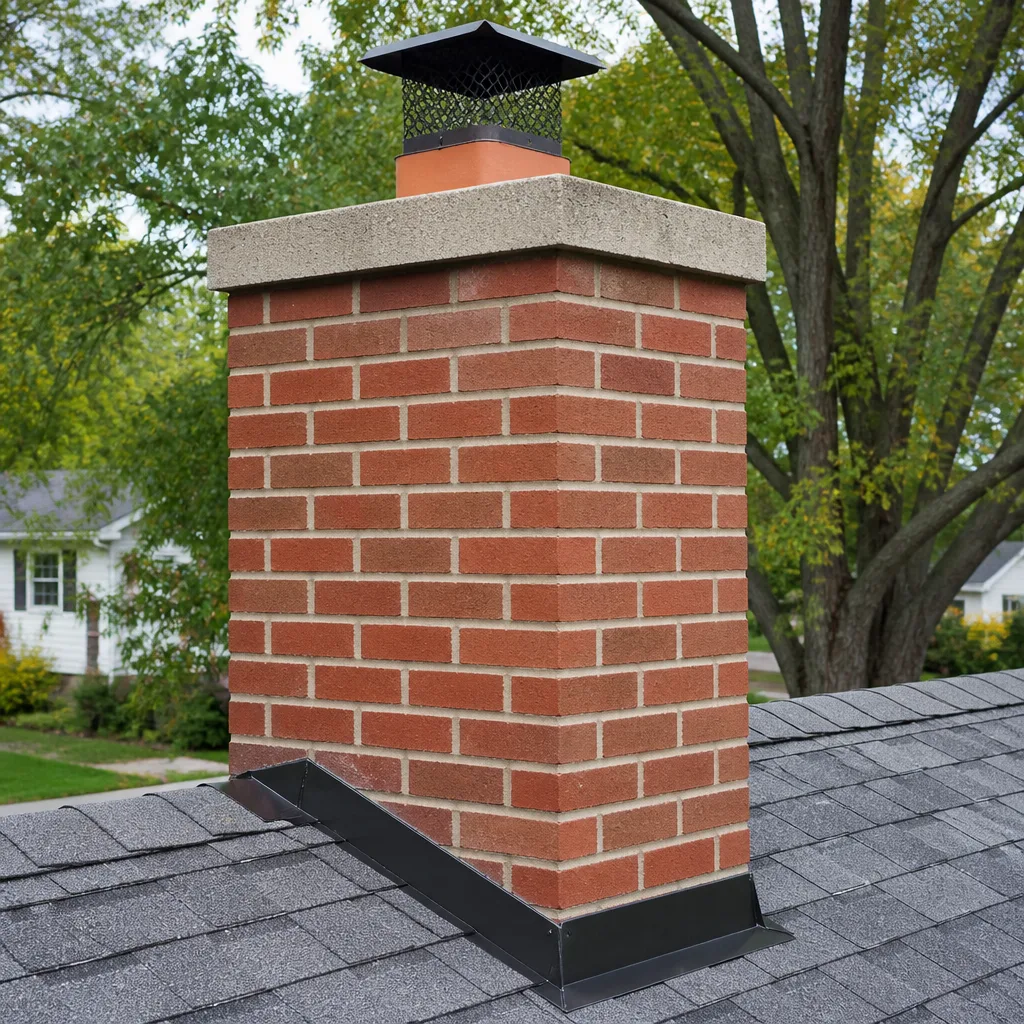 Masonry repair
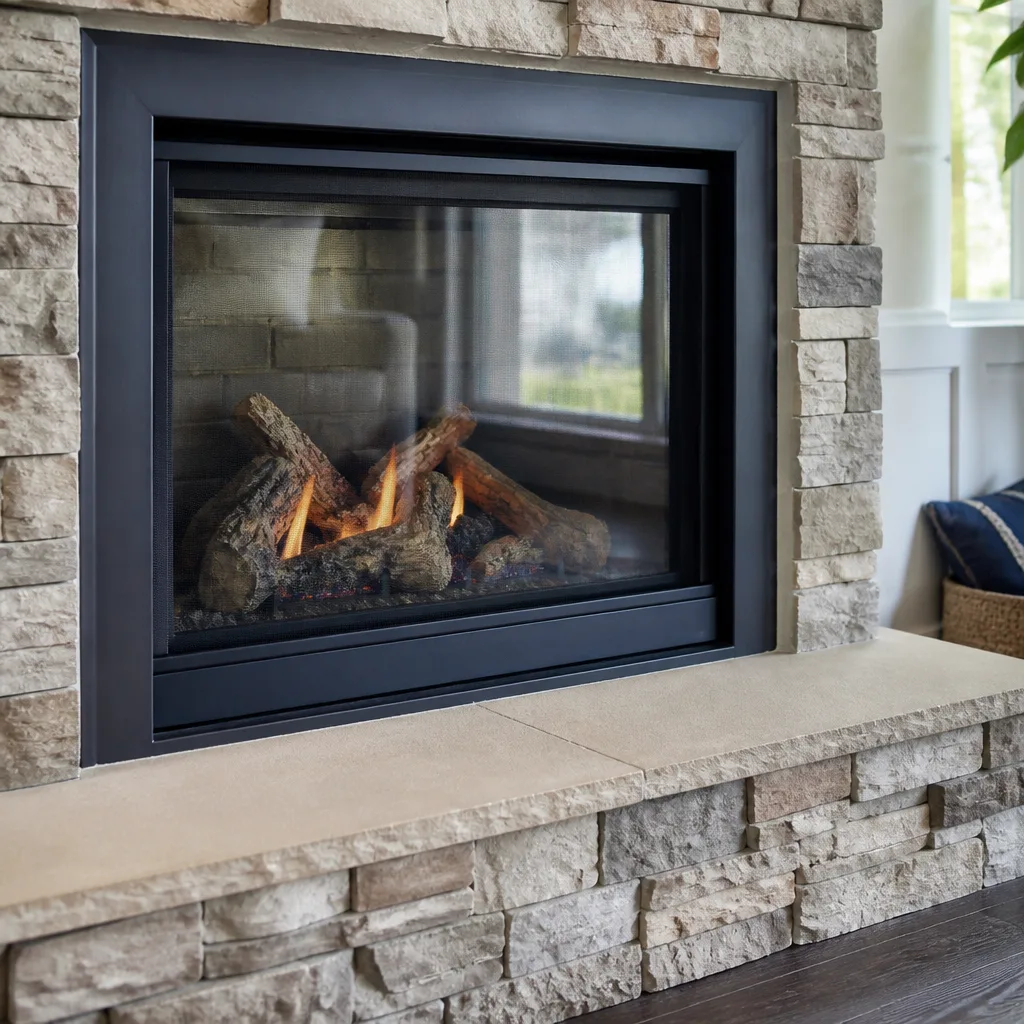 Gas fireplace service
Level 1 sweep and inspection to the NFPA 211 annual standard - flue, crown, cap, and flashing checked and photographed
Chimney sweep logs do not sweep chimneys. They loosen some creosote - which then falls where a brush and vacuum still have to collect it.
The Complete Guide to Chimney Cleaning in Midland
Most chimney guides you’ll find online are written for places where humidity does the damage. Damp, mild winters, lots of rain. That’s the Mid-Atlantic or the Pacific Northwest, and it’s not Midland. Here, the enemy is different: 100°F summers slamming into cooler winter air, plus blowing alkali caliche dust that settles into every exposed surface, flues included. That combination wears a chimney in ways a generic national checklist never mentions. The sequence of buildup, mortar wear, and liner stress in West Texas doesn’t follow the standard rulebook. This guide walks through what actually happens inside a Midland chimney, why it matters, and how to get a cleaning that lasts more than a season.
Quick Answer
Chimney cleaning in Midland means removing creosote, caliche dust, and mineral deposits from the flue, firebox, and smoke chamber, then confirming the whole system is safe with a Level II inspection. Most homes burning regularly need a sweep once a year, but in Midland’s climate a heavy user may need one sooner because dust and heat cycling accelerate buildup. A proper cleaning ends with photo evidence of what was found, not just a bill for a brush-down.
Styles & brands we work with
- Sweep & inspection
- Caps & crowns
- Flue relining
- Masonry repair
- Gas fireplace service
Table of Contents
- Why Chimney Cleaning in Midland Isn’t Like Anywhere Else
- How Caliche Dust Changes What Cleaning Actually Means
- The Three Stages of Creosote and Why Midland Burns Hit Stage 2 Fast
- Why Contractor-Grade Brushes Outlast Hardware-Store Versions
- What a Level II Inspection Covers (and What Most “Inspections” Don’t)
- Clay Tile Flues in Older Midland Homes and the Role of a Listed Liner
- What You Can Check Yourself and Where DIY Stops
- How a Professional Cleaning Actually Goes, Step by Step
Why Chimney Cleaning in Midland Isn’t Like Anywhere Else
Chimney damage in West Texas follows a different pattern than what national guides describe. Humidity isn’t the main driver here. It’s thermal cycling: the daily swing from daytime summer heat that climbs past 100°F to cooler winter nights, repeated over thousands of cycles each year. Chimney masonry and clay flue tiles expand and contract with every swing. Hairline cracks that would take years to develop in a stable climate can appear faster in Midland masonry, and once a crack forms, creosote and dust work their way in.
Add the dust. Caliche is a calcium carbonate hardpan found throughout the Permian Basin, and when wind picks it up it behaves like a fine abrasive powder. It settles on roofs, into chimney caps, and down flues. Inside a chimney, that dust mixes with creosote residue and moisture from combustion to form a crust that behaves differently from ordinary soot. It clings harder, it’s denser, and it doesn’t brush off the way a soft soot layer does.
What this means in practice:
- Cleaning schedules based on a Mid-Atlantic climate may be too light for a Midland home.
- A visual glance down a flue tells you almost nothing about mineral crust or hairline tile cracks.
- Mortar joints in Midland chimneys often show wear patterns tied to cycling rather than age alone.
- Chimney caps here need to resist dust intrusion, not just rain.
None of this means every Midland chimney is in trouble. It means the inspection and cleaning need to be tuned to the local environment. A sweep who cleans the same way in Midland as they would in Ohio is cleaning blind to the actual conditions.
How Caliche Dust Changes What Cleaning Actually Means
Creosote gets most of the attention, and rightly. But in Midland, caliche dust introduces a second contaminant that standard brushing schedules don’t account for. Understanding the difference matters because the two don’t respond to the same cleaning approach.
Soot and creosote are combustion byproducts. They form from what’s burned, how hot the fire runs, and how much air the chimney draws. Dust is different. It comes from the outside, driven by wind across open ground, and it settles into the flue from above through the cap and around the top. Over a season, a Midland chimney can accumulate a fine mineral layer on top of whatever creosote has already formed.
Here’s why that’s a problem:
- It bonds to creosote. The calcium-rich dust acts like a binder, hardening the creosote layer and making it more resistant to ordinary brushing.
- It masks the flue surface. A sweep who runs a light brush down the flue and sees it come back relatively clean may have only removed the soft surface layer.
- It stresses the liner. Abrasive dust pulled through the flue during cleaning and normal use scours clay tile over time, wearing down the smooth inner face that helps draft.
In our experience, Midland chimneys often need a stiffer brush and a more deliberate cleaning motion than what a standard soot removal calls for. The caliche crust needs to be broken up, not just swept past. That’s one reason a “quick sweep” priced as a bargain often underperforms. The work is there, but the time budget isn’t. Trade-grade brushes with tempered wire hold up when the flue surface resists; softer consumer brushes just flatten against the crust.
The Three Stages of Creosote and Why Midland Burns Hit Stage 2 Fast
Creosote forms in three recognizable stages, and knowing which stage is present tells you what kind of cleaning is needed. This is one of the most useful pieces of information a homeowner can carry into a conversation with any chimney company, not just us.
- Stage 1: powder and flaky soot. The lightest form. It brushes off easily with a standard flue brush. Most visible buildup in a well-run fireplace fits here, especially in homes burning dry, seasoned hardwood with good draft.
- Stage 2: tar-like residue. Darker, stickier, and harder to remove. Forms when the fire burns cooler or the draft is sluggish, causing unburned gases to condense on the flue walls. Standard brushing removes some of it, but a stiff brush and more time are needed.
- Stage 3: glazed creosote. Hard, shiny, and bonded to the flue like varnish. Ordinary brushes won’t touch it. This is the stage that carries the highest fire risk because it’s fuel sitting directly against the flue surface, and it needs mechanical removal or chemical treatment before the chimney is safe to use.
In Midland’s climate, several patterns push a chimney from Stage 1 to Stage 2 faster than a homeowner expects. The long dry spells mean wood can be brought in with lower moisture content than buyers realize if it’s stored in direct sun. Hot daytime temperatures can make people burn short, cool fires that never fully warm the flue, worsening condensation. And the dust layer itself slows draft slightly by roughening the flue surface, which changes how efficiently exhaust gases move up and out. Sluggish draft means more condensation, which means faster Stage 2.
This is why a Midland homeowner burning regularly through the winter shouldn’t assume an annual sweep is enough on its own. If the wood is questionable, the fireplace is used hard, or it’s been more than a year since the last cleaning, ask for a Level II inspection rather than a visual sweep. The difference in what gets found is worth the extra attention.
Why Contractor-Grade Brushes Outlast Hardware-Store Versions
The tool doing the work matters more in Midland than in most places. Hardware-store chimney brushes are built for light soot. Against Midland’s mineral crust and hard, stage 2 tar, they don’t hold up. Bristles flatten, wire bends, and the brush loses its bite after the first few passes. What that means for the homeowner is a cleaning that looks done but leaves a layer behind, and a brush that has to be replaced mid-job.
Contractor-grade brushes use tempered wire, which holds its shape under pressure and returns to form after contact with a hard flue surface. The difference isn’t about marketing. It’s about whether the brush can actually break up caliche bonding and tar residue or just skate over the top of it. We stock trade-grade equipment because we’ve seen what consumer-grade tools leave behind in Midland flues.
The same principle applies to the parts that go back on the chimney after cleaning:
- Caps and covers need to shed dust and rain and stand up to constant sun exposure. We install Gelco caps for that reason; they hold up where generic stamped-steel caps rust or warp.
- Dampers and venting components from Famco and Copperfield are the same stock professional chimney contractors use, so a repair doesn’t stall waiting on a special order.
- Liner systems from DuraFlex and resurfacing materials from HeatShield are trade-grade products designed for the loads an actively used chimney puts on them.
A cleaning that’s done with the right tools and finished with correct components will last longer than one done with whatever was on the shelf. That’s the whole difference between a sweep that just looks done and one that actually protects the home.
What a Level II Inspection Covers (and What Most “Inspections” Don’t)
When a chimney company says they “inspected” the chimney, ask which level of inspection they mean. According to NFPA 211, the standard that governs chimney inspections, there are three levels, and they are not interchangeable.
A Level I inspection is a visual check of the readily accessible portions of the chimney and venting, using the tools normally carried. It’s appropriate for a chimney that’s in known good condition and just being checked before the heating season. A flashlight and a look up from the firebox is a Level I inspection, and it’s often what a homeowner thinks they’re getting.
A Level II inspection goes further. It requires access to the entire chimney, including the attic and roof if necessary, and it includes a video scan of the flue interior. The camera shows what a flashlight can’t: hairline cracks in tile joints, missing mortar, gaps in the liner, and hidden buildup on the flue walls. This is the inspection level recommended after a chimney fire, after a change in fuel type or appliance, and before any repair or relining work.
A Level III inspection is a diagnostic investigation that may require removing parts of the chimney or building structure to reach an area of concern. It’s the deepest level and comes into play when a serious defect is suspected.
For Midland homeowners, Level II matters more than most places because of the combination of active use, thermal cycling, and dust intrusion. A Level I visual check might miss a cracked tile joint or a section of liner that’s separated, and those are exactly the kinds of problems that lead to bigger issues later.
When we do a Level II inspection, the camera footage and photo report come with the job. You see what the technician sees before any repair gets recommended. That’s the standard we hold ourselves to because the alternative, taking a company’s word for it, is where homeowners get talked into work they don’t need.
Clay Tile Flues in Older Midland Homes and the Role of a Listed Liner
Many older Midland homes were built with clay tile flue liners. Clay tile is a good material when it’s intact, but it’s brittle, and thermal cycling plus abrasive dust is a difficult combination over decades. Cracks develop at the joints, and once a joint opens, the flue is no longer a sealed path for exhaust gases. That’s a safety problem because carbon monoxide can migrate into the home structure instead of going up and out.
When the tile liner can’t hold up anymore, there are two paths, and knowing the difference matters:
- Restore. If the flue is still structurally sound but the inner surface is rough or has minor gaps, HeatShield ceramic resurfacing can restore a smooth, sealed interior. This is the middle option, and it’s the one a sweep-only company can’t offer because it requires certification to apply. Relying on a company that doesn’t have that capability usually means being told to reline when restoration would have worked.
- Reline. If the tile is cracked through or missing, a new liner is the correct fix. We reline with DuraFlex, a flexible stainless steel system that meets the UL 1777 standard for chimney liners. The listed rating matters because it means the liner has been tested to a standard, not improvised from generic stainless steel.
UL 1777 is the safety standard that governs chimney liners, and any liner installed in a Midland home should carry that listing. It covers construction, thermal performance, and how the liner holds up when the chimney is in use. A liner without that listing is a real risk in a house where the fireplace is used regularly through the winter.
We approach relining with a simple principle: restore before you replace. If HeatShield can save the flue, that’s the better answer for the homeowner and for the house. If it can’t, we explain why, show the evidence, and reline on the same visit rather than leaving the homeowner with an unusable fireplace waiting on a return trip. One call covers the whole job.
What You Can Check Yourself and Where DIY Stops
Some chimney maintenance is genuinely within reach of the homeowner. Some of it isn’t, and the difference isn’t about how handy you are. It’s about safety and tools.
What you can reasonably do:
- Look up from the fireplace with a flashlight and check for visible creosote buildup on the flue walls.
- Confirm the damper opens, closes, and seats properly.
- Check the chimney cap from the ground for visible damage or blockage.
- Keep the area around the fireplace clear and store wood outside, not against the hearth.
- Watch the fire while it burns: excessive smoke rolling into the room is a signal to stop using the fireplace and call for an inspection.
What you shouldn’t try:
- Brushing the flue from the roof. Roof work is a height hazard, and a chimney with cracks or loose tile can fail while someone is on it.
- Chemical removal of glazed creosote. Stage 3 buildup needs proper mechanical or chemical treatment applied by someone who knows how to contain the residue and dispose of it safely.
- Any work on the liner or firebox interior. These components are part of the home’s exhaust system. Damage from a wrong move is expensive and can mean carbon monoxide enters the house.
If a flashlight check shows a thin layer of soot and the damper works, a professional sweep before the burning season is the routine answer. If a flashlight check shows shiny, hard buildup, cracked tiles, or a smell that lingers in the room, stop using the fireplace and get an inspection before the next fire.
How a Professional Cleaning Actually Goes, Step by Step
Understanding the process helps you know what to expect and what a fair price covers. Here’s the sequence a professional chimney sweep follows, in general terms. The specifics vary by chimney, but the order doesn’t.
- Walkthrough and setup. The technician lays protective covers and sets up containment so dust doesn’t migrate into the room. A shop vac with a HEPA filter is part of the kit for a reason.
- Firebox and damper cleaning. Ash, soot, and debris come out of the firebox first. The damper is checked for smooth operation.
- Flue brushing. The technician works the brush up from below or down from above, depending on access and the flue’s condition. This is where brush quality shows. Tempered-wire contractor brushes break up caliche crust and stage 2 tar; softer brushes just skim.
- Smoke chamber and shelf. The area above the damper collects creosote that doesn’t come off with a straight downstroke. This part gets its own pass.
- Video inspection. A camera goes up the flue to check for cracks, gaps, and remaining buildup. This is what makes the job a real inspection and not just a brush-out.
- Exterior check. The cap, crown, and flashing get checked from the roof or ground. Any loose or damaged components get noted for repair.
- Photo report and walkthrough. The technician shares photos of anything found, explains whether any repair is needed and whether it can safely wait, and gives a written estimate for any recommended work. The estimate sets the final price.
The step homeowners most often get left out of is the last one. A cleaning without a report is a cleaning you can’t verify. Ask for the photos. Ask what was found and what stage of buildup was present. Any company that can’t answer those questions clearly is leaving the homeowner guessing, and this is one area where guessing is expensive.
Common Mistakes to Avoid
- Assuming annual is always enough. In Midland, heavy use plus dust plus thermal cycling can push buildup into stage 2 before a year is up. If the fireplace is used hard, check by inspection, not by the calendar.
- Accepting a visual check as a full inspection. A flashlight look from the firebox is a Level I inspection at best. The cracks and gaps that matter show up on a camera scan, and a sweep who doesn’t offer one is missing the important part.
- Ignoring the dust layer. Caliche dust builds up in the flue and around the cap. If the chimney only gets brushed for soot, the mineral crust stays. Look for evidence a contractor is aware of the local dust problem before you hire.
- Buying a consumer-grade brush and treating the job as done. Hardware-store brushes flatten against Midland crust and leave the layer that matters behind. There’s no shortcut around the tool.
- Skipping the dryer vent. A clogged dryer vent is one of the leading causes of residential fires, and it’s a fire-safety issue that has nothing to do with how clean the laundry smells. Pairing dryer vent cleaning with the chimney sweep makes sense because the same technician can check the whole exhaust system on one visit.
- Burning unseasoned wood. Cool, smoky fires push a chimney toward stage 2 faster than anything else. Seasoned hardwood and good draft are the two cheapest upgrades a fireplace owner can make.
- Letting a small crack wait. A hairline crack in a clay tile joint that goes unnoticed through a season can become a carbon monoxide pathway. The fix is small at the start and expensive after.
See the difference
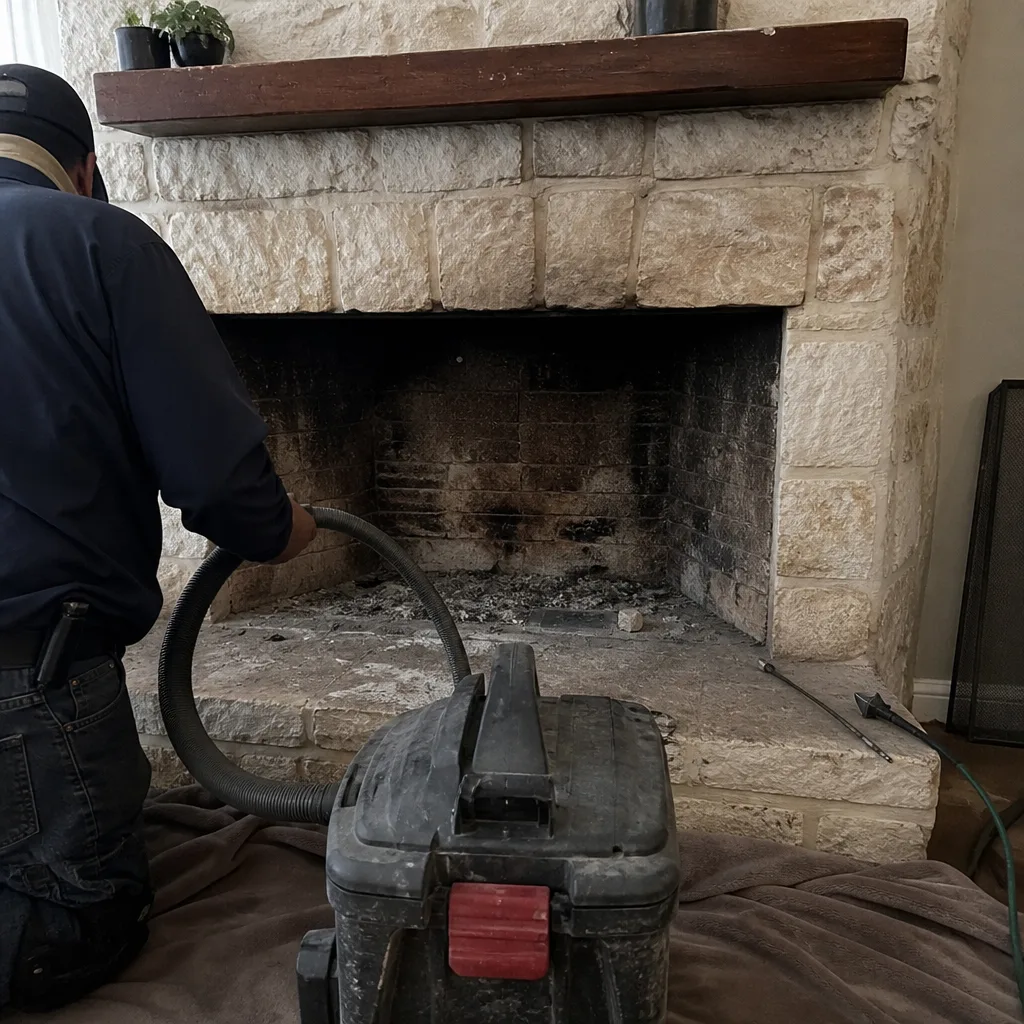 Before
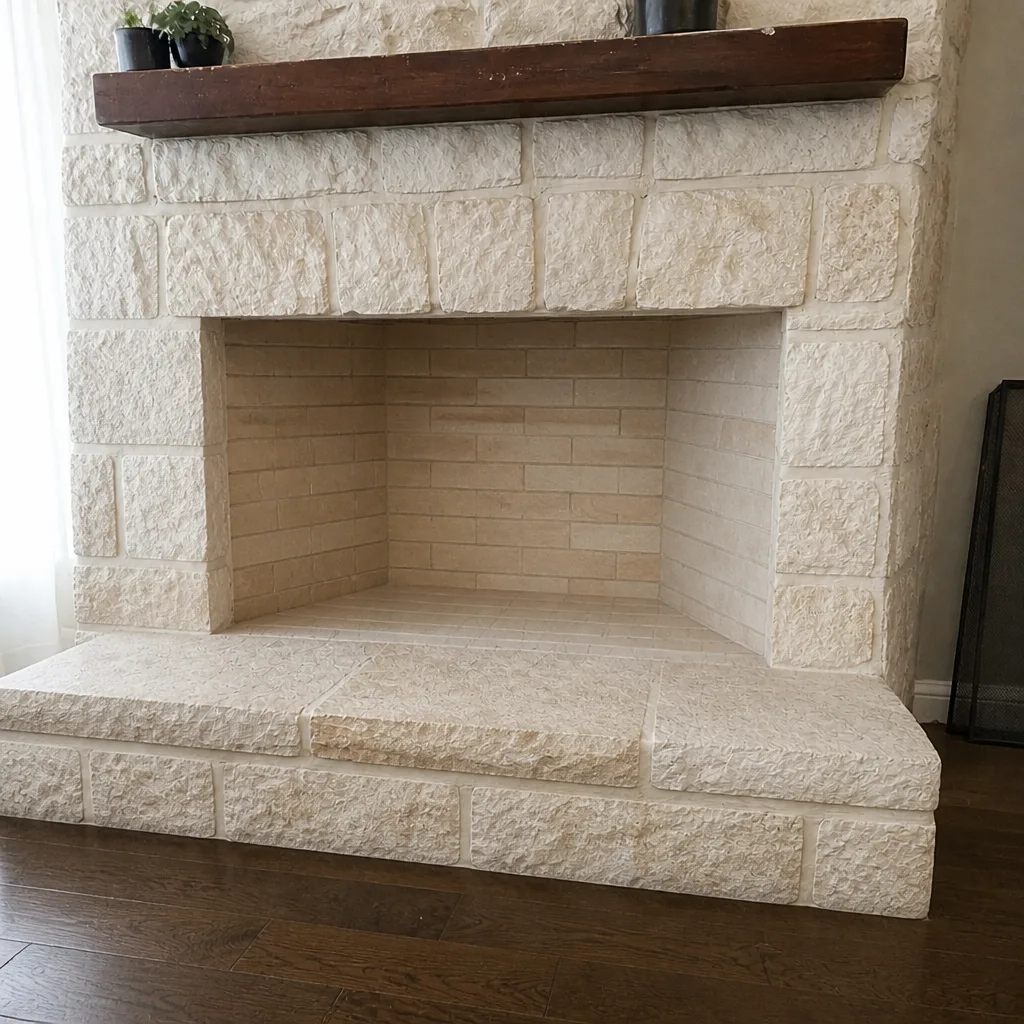 After
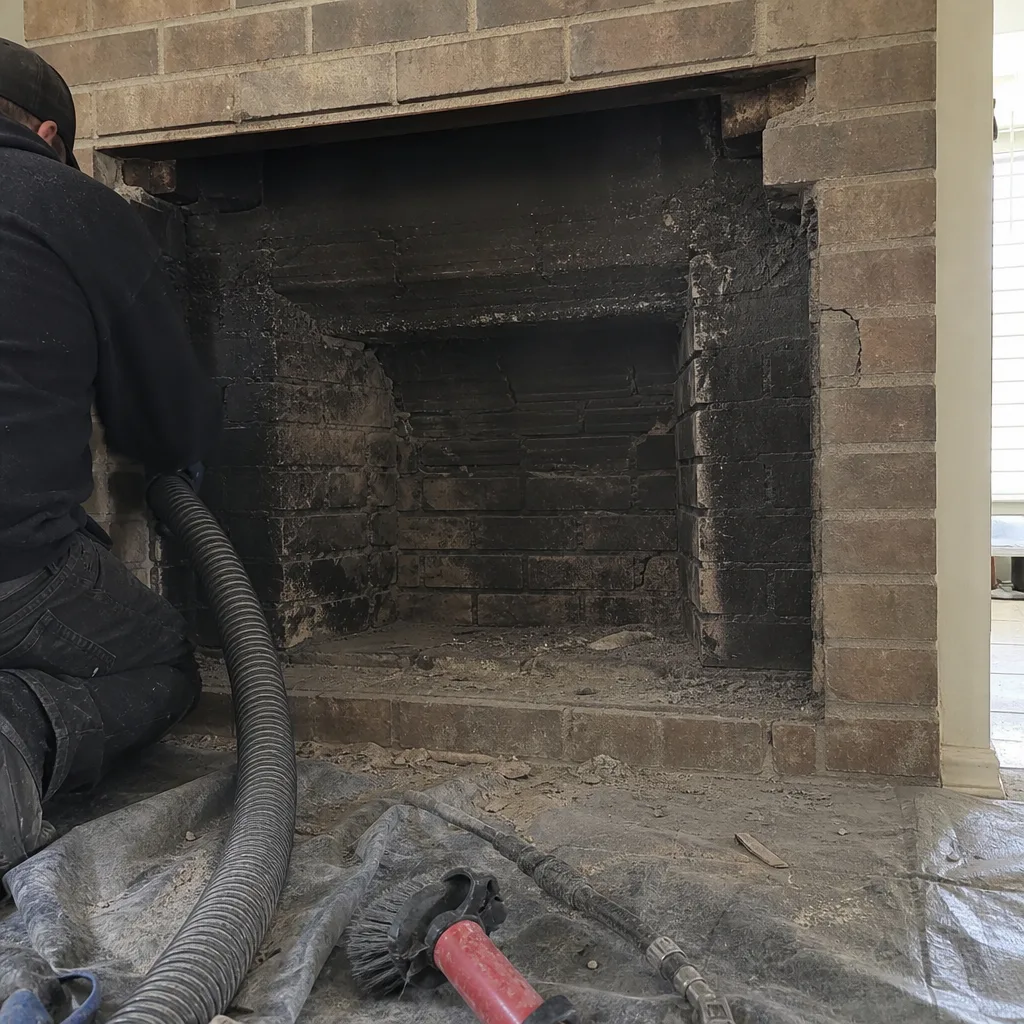 Before
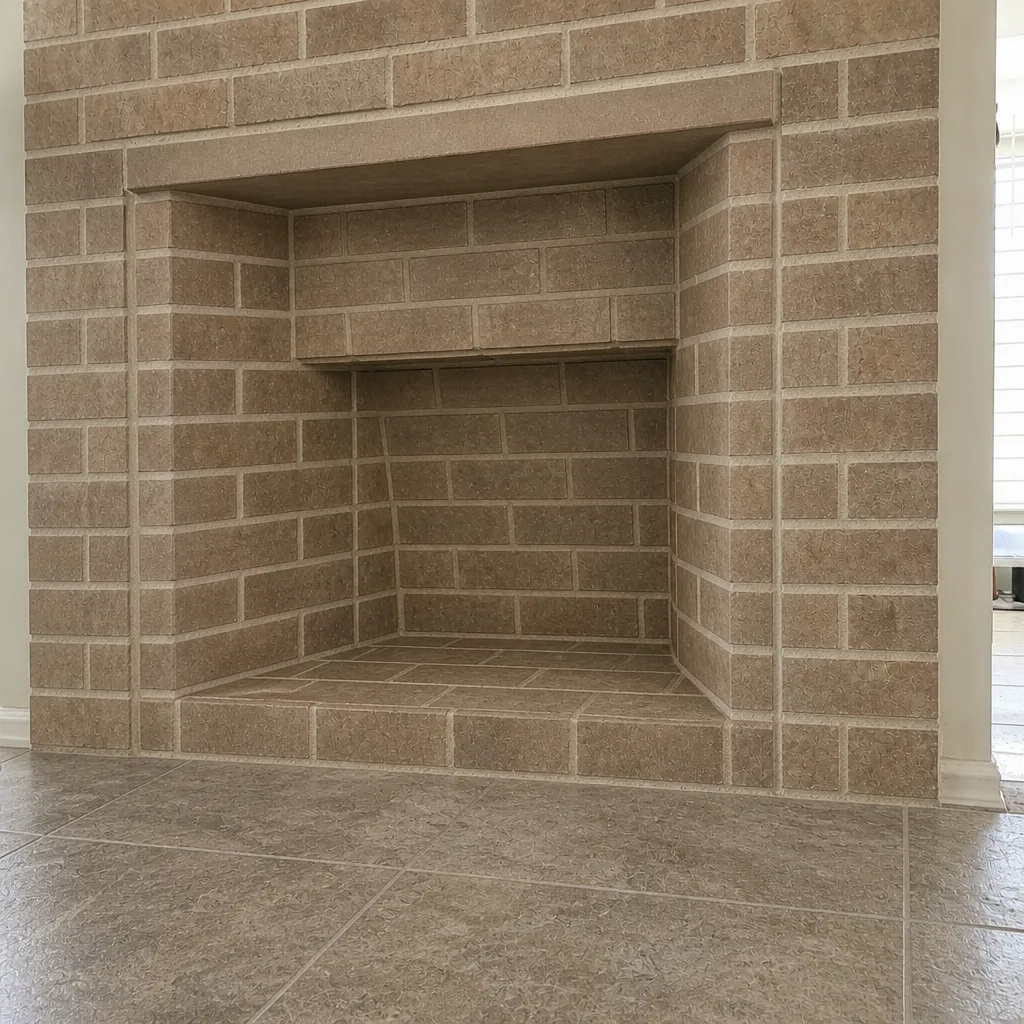 After
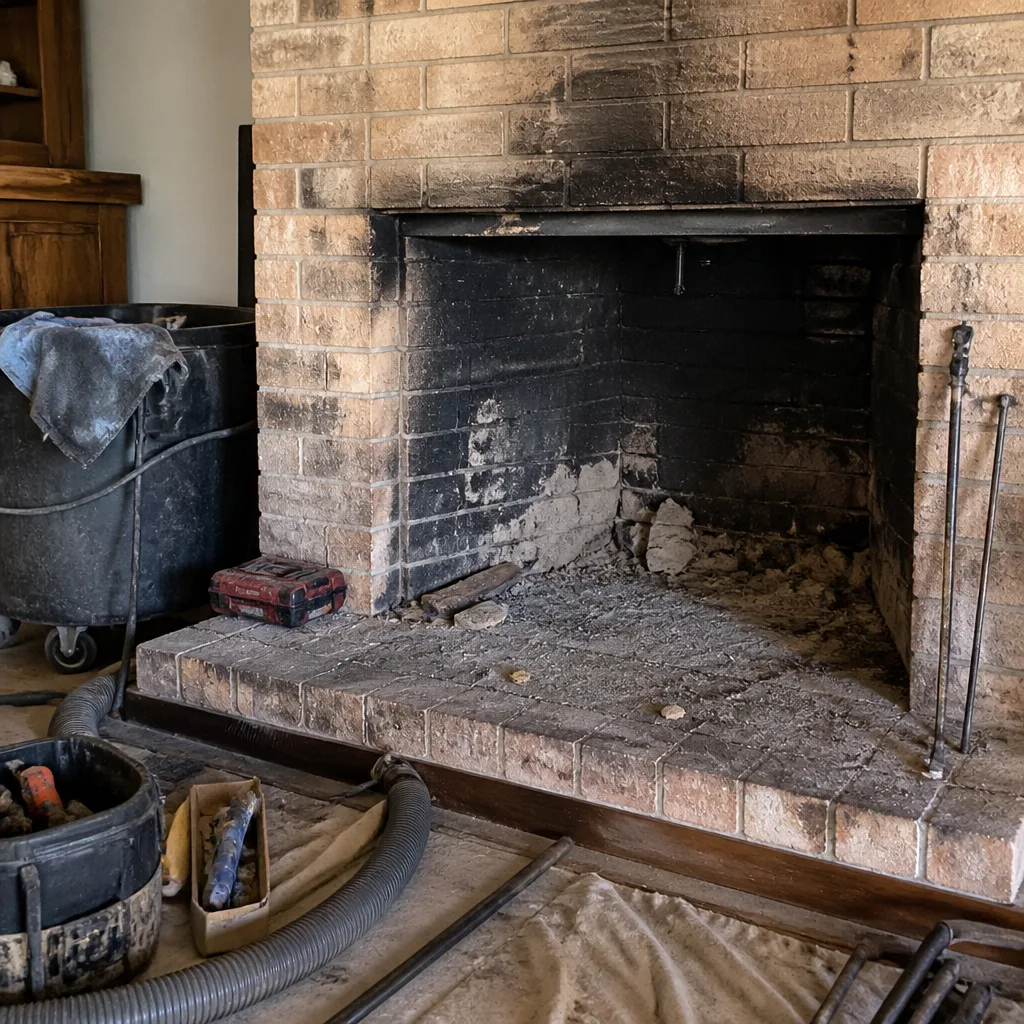 Before
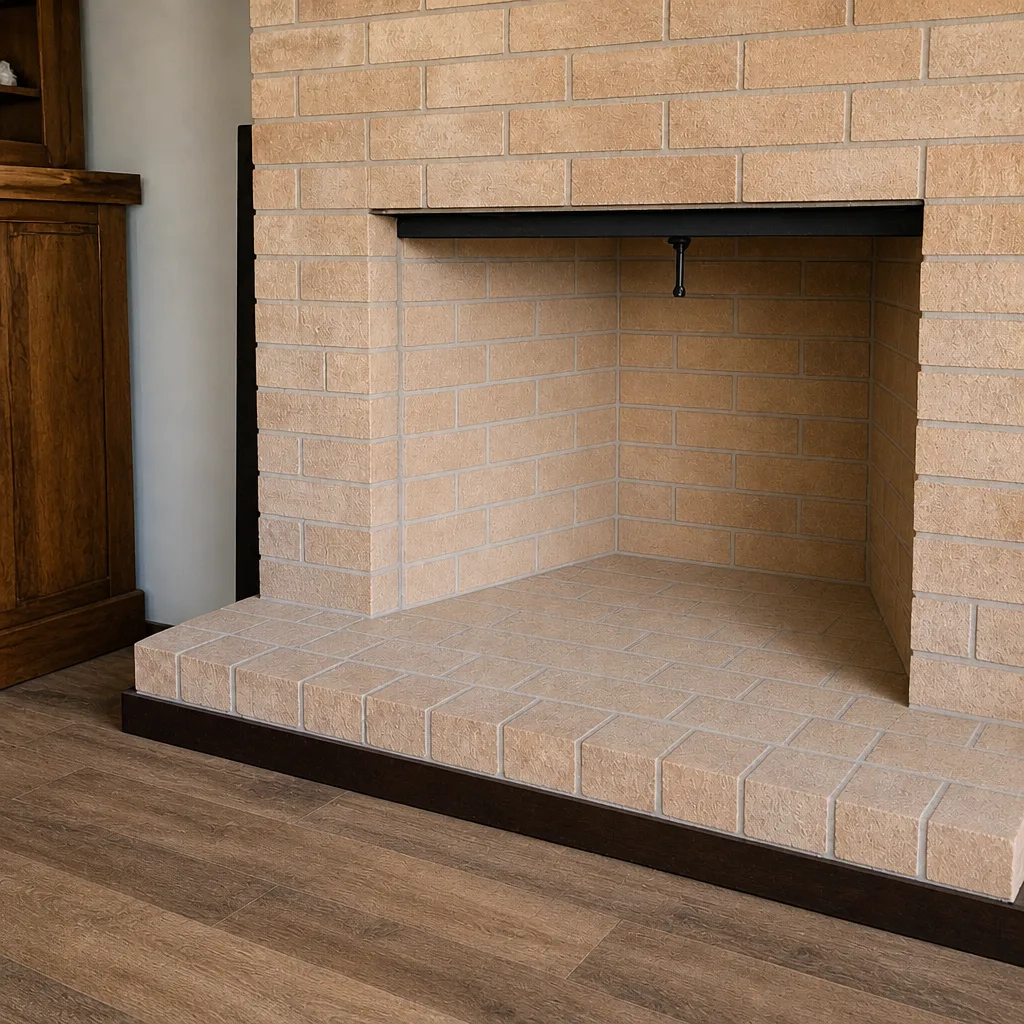 After
When to Call a Professional
Some signs mean it’s time to pick up the phone. If a flashlight look shows shiny, hardened buildup on the flue walls, if the fireplace smokes into the room when the damper is open, if a strong odor lingers after the fire is out, or if it’s been more than a year since the last cleaning, call before the next fire. Any evidence of a chimney fire, cracks in the firebox or flue, or a loose chimney cap is also a reason to have the system inspected. If you’re selling or buying a home, a Level II inspection gives you a documented picture of the chimney’s condition.
In those cases, Chimney Sweep Midland offers free estimates in Midland: call (866) 942-7865. A proper inspection includes camera footage and a photo report, so you see exactly what was found before any work is recommended. If the chimney only needs a routine sweep, that’s what you’ll hear. If something can safely wait until next year, we’ll say so.
Frequently Asked Questions
Most homes burning regularly should be swept once a year, but in Midland the hot, dry climate means buildup can accelerate. Heavy winter use, poor draft, or unseasoned wood can push a chimney to stage 2 creosote faster than the calendar suggests, so an annual Level II inspection is the better baseline than an annual brush-down. If your wood is questionable or the fireplace gets hard use, ask for a check sooner. Call (866) 942-7865 for an exact quote; estimates are free.
A standard chimney sweep in the Midland market typically falls in the low to mid hundreds of dollars, and a Level II inspection with video scanning runs higher because of the equipment and time involved. Repairs, cap installation, and relining are priced separately, and the written estimate sets the final price. Because work here often runs longer than a national average due to caliche crust and stage 2 tar, be wary of quotes that seem unusually low; they’re often short on time and tools. Call (866) 942-7865 for an exact quote on your chimney.
Not always. A cracked or deteriorated clay tile liner usually needs attention, but the answer isn’t automatically a reline. If the flue is still structurally sound, HeatShield ceramic resurfacing can restore a smooth, sealed interior without tearing out the tile. A reline with a UL 1777-listed stainless steel system like DuraFlex is the correct path when the tile can’t be salvaged. The right answer comes from a camera inspection, not from a quote given over the phone. Call (866) 942-7865 to schedule the inspection.
Creosote keeps building with every fire, and once it reaches stage 3, it becomes glazed fuel bonded to the flue wall. That’s the stage with the highest fire risk, and it doesn’t come off with an ordinary brush. Meanwhile, dust, cracked tile, and sluggish draft can let exhaust gases back into the home instead of venting them out. Skipping a routine sweep saves a little money up front and risks more on the back end. Call (866) 942-7865 before the next fire.
A sweep is the physical cleaning. An inspection is the examination of the chimney’s condition. They’re not the same job, and a Level II inspection includes a video scan of the flue interior that a sweep alone doesn’t. When we visit a Midland home, we do both, and the camera footage and photo report come with the visit, so the homeowner sees what the technician sees before any repair is recommended.
Yes, and it’s worth treating as a fire-safety service rather than a chore. A clogged dryer vent is one of the leading causes of residential fires, and it’s often overlooked because the laundry still dries. Having the chimney and the dryer vent serviced in the same visit means one call covers both, and the technician can check the whole exhaust and venting picture at once. Call (866) 942-7865 to book both together.
The Bottom Line
Chimney cleaning in Midland isn’t the same job it is in most of the country. The alkaline caliche dust, the long hot summers, the thermal cycling between seasons, and the way all three interact inside the flue mean the standard national schedule doesn’t fully fit. A cleaning that lasts here needs the right tools to break through mineral crust and stage 2 tar, a camera scan to catch the cracks and gaps a visual check misses, and a trained eye to tell the difference between a flue that needs restoration and one that needs replacement. That’s the heart of a real chimney sweep visit. If you’re in Midland and want the chimney checked before the next burning season, or want a dryer vent looked at while the technician is there, the call is simple.
Call (866) 942-7865 for a free estimate. We answer 24/7. Fast dispatch from 7am to 7pm, Sunday through Friday. Trade-grade materials, and nothing recommended without camera evidence you can see for yourself.
Written by the team at Chimney Sweep Midland, serving Midland since 2011.