
Last updated November 14, 2026
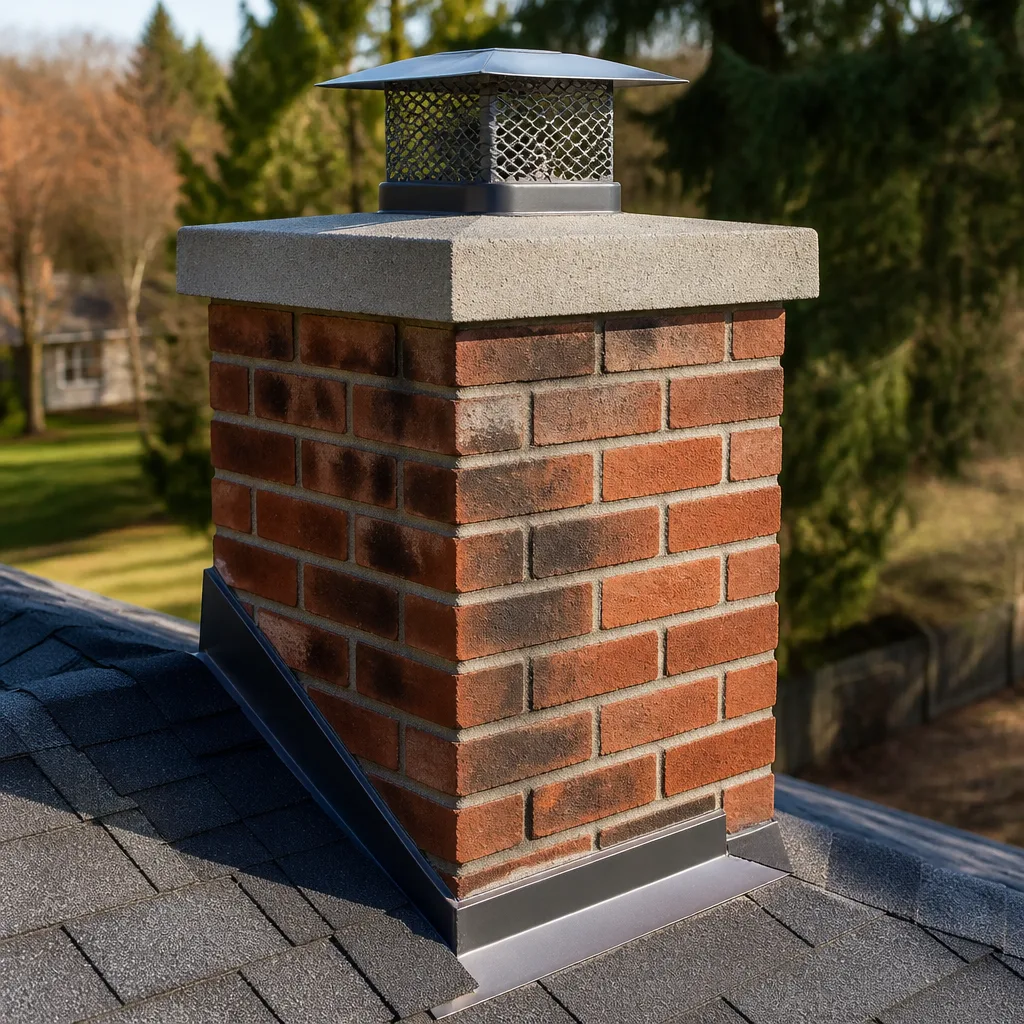 Sweep & inspection
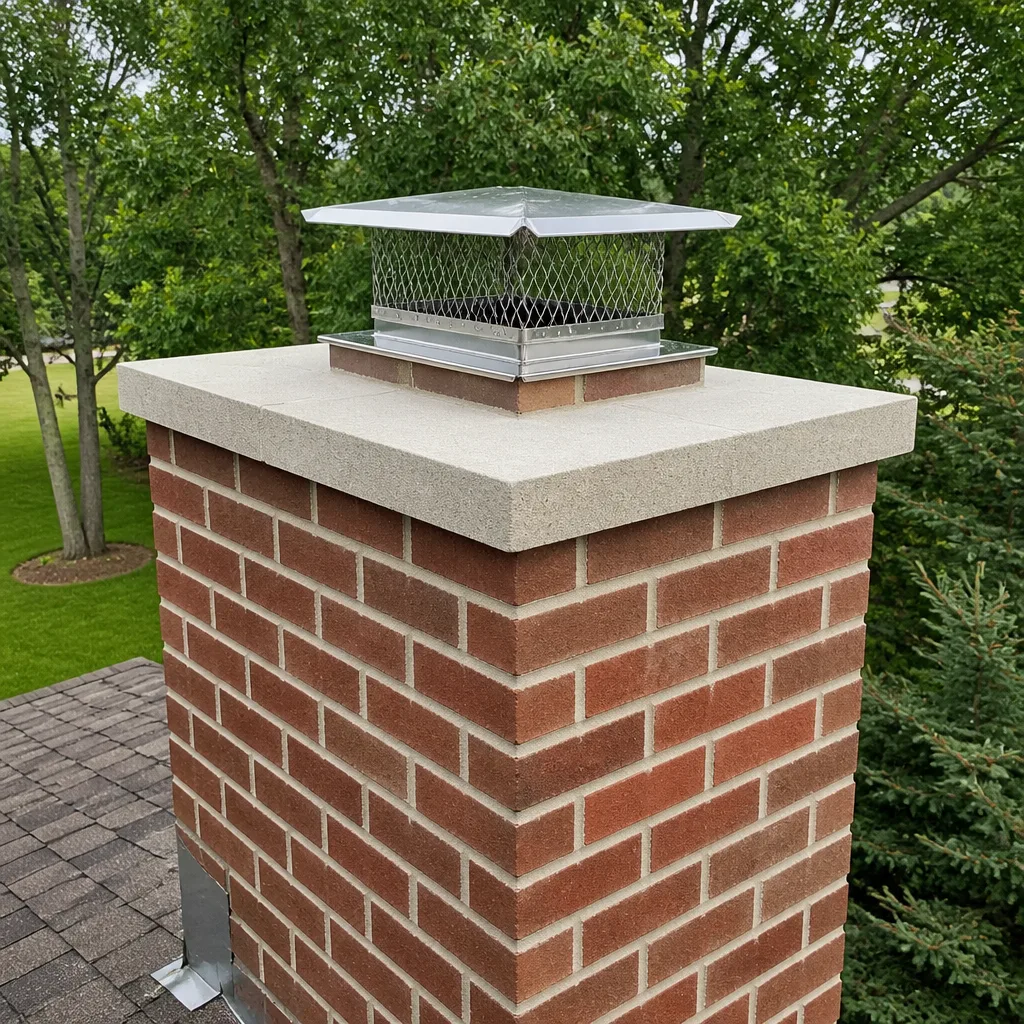 Caps & crowns
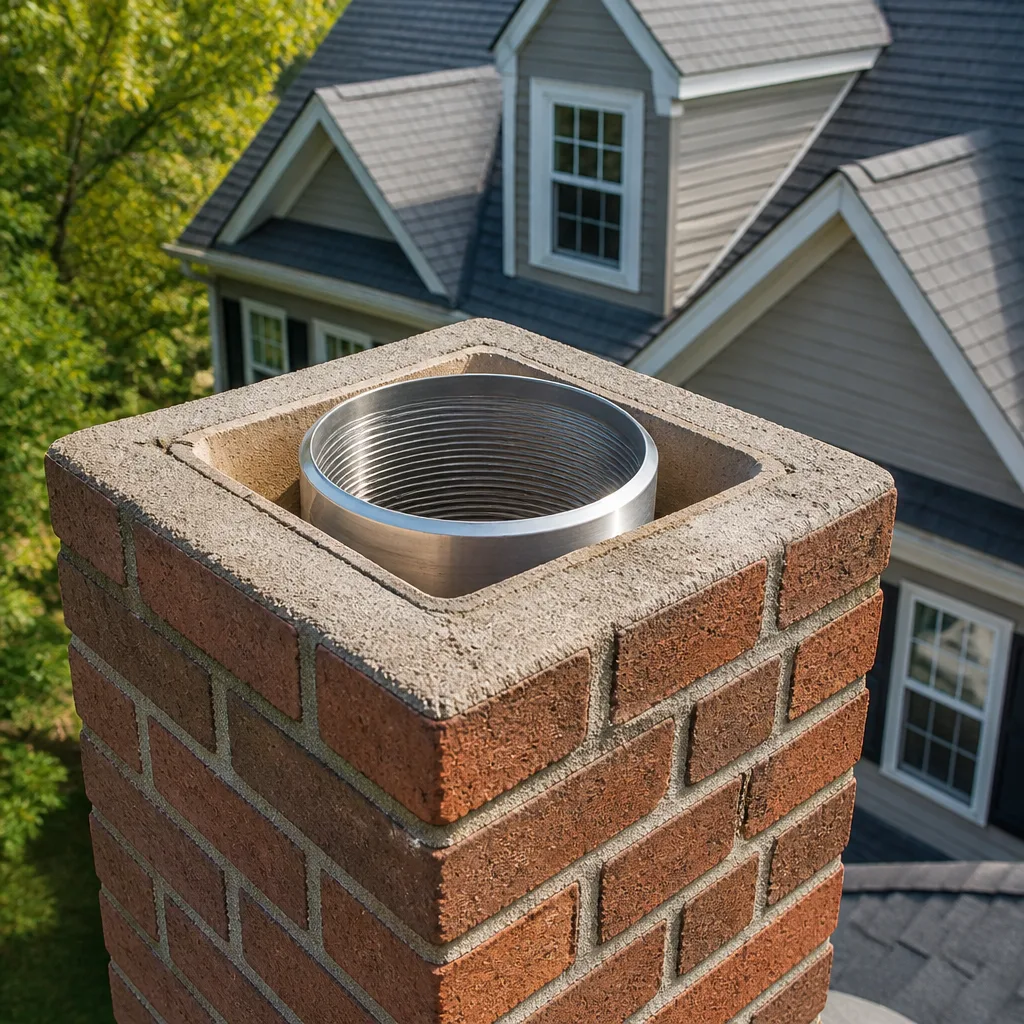 Flue relining
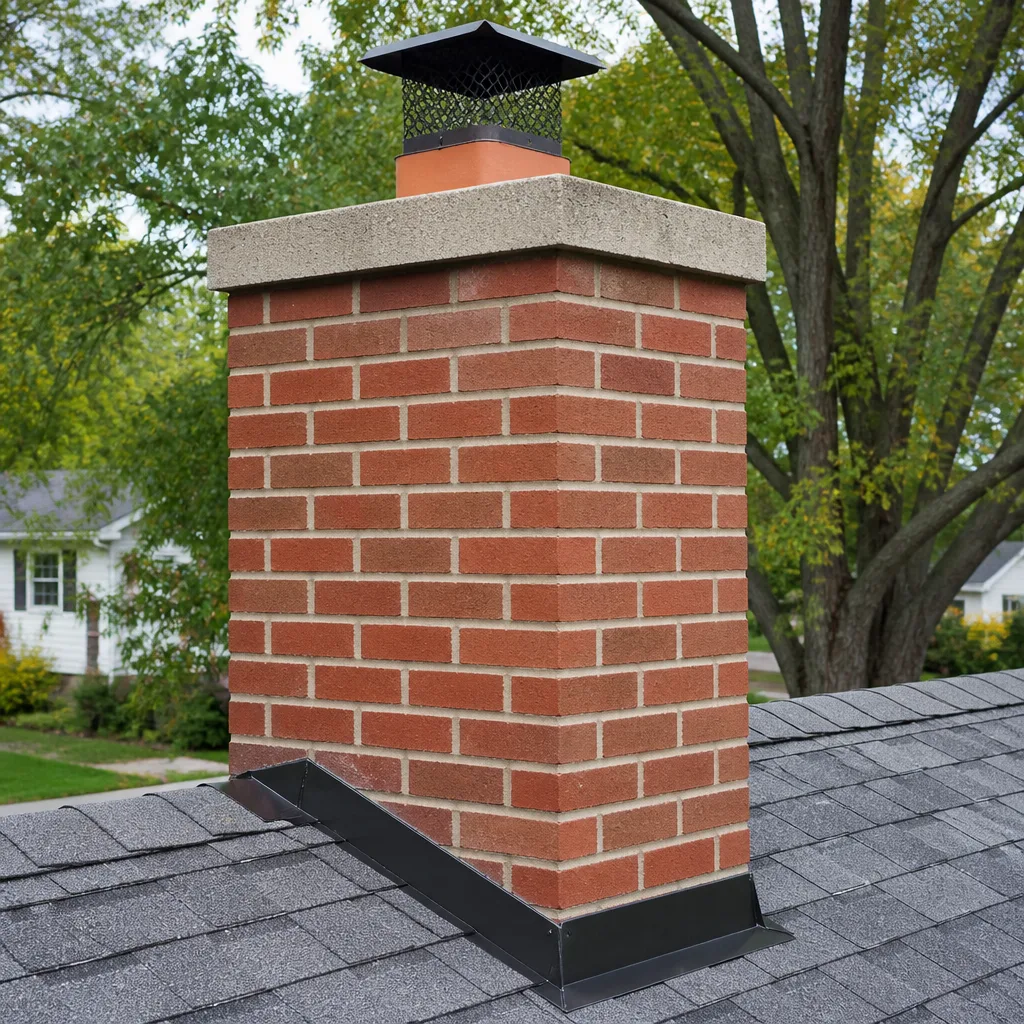 Masonry repair
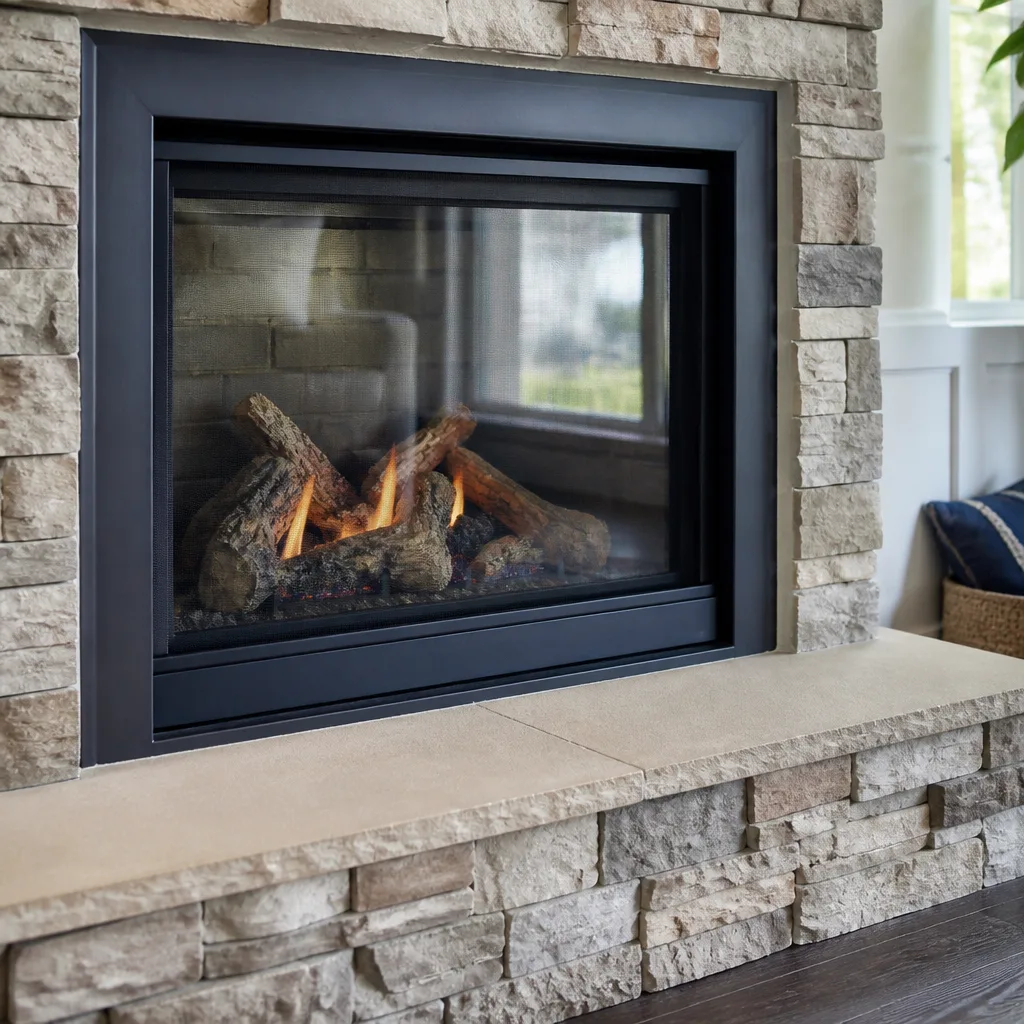 Gas fireplace service
Level 1 sweep and inspection to the NFPA 211 annual standard - flue, crown, cap, and flashing checked and photographed
Chimney sweep logs do not sweep chimneys. They loosen some creosote - which then falls where a brush and vacuum still have to collect it.
Seasonal Chimney Cleaning Care for Midland: Year-Round Homeowner’s Guide
National chimney-care guides say the same thing every year: schedule your sweep in September. In Midland, September may come after a summer that has already turned your stage 1 creosote into glazed stage 3 – the hardest, most expensive form to remove. West Texas doesn’t run on the national calendar. A 108°F summer bakes deposits onto flue walls, spring dust storms load caps and crowns with grit, and the swing into heating season arrives on its own schedule. This guide maps chimney care to Midland’s actual seasons, so you’re sweeping, inspecting, and burning at the right time rather than the template time.
Quick Answer
In Midland, the best time for a full chimney sweep is late spring, after the heating season ends and before summer heat sets creosote, with a second look in early fall before the first fire. Pair that chimney schedule with annual dryer vent cleaning, because local dust speeds lint buildup. A spring sweep, a fall inspection, and dryer vent care on the same calendar keep the whole system safe year-round.
Styles & brands we work with
- Sweep & inspection
- Caps & crowns
- Flue relining
- Masonry repair
- Gas fireplace service
Table of Contents
- Spring (March to May): Post-Heating Sweep and Storm Debris
- Summer (June to August): Heat, Haboobs, and the Closed Damper
- Fall (September to October): The Pre-Season Inspection Sequence
- Winter (November to February): Burn Practices That Limit Creosote
- Year-Round Dryer Vent Care Synced to Your Chimney Schedule
- Common Mistakes to Avoid
- When to Call a Professional
- Frequently Asked Questions
Spring (March to May): Post-Heating Sweep and Storm Debris
Spring is when a Midland chimney does the most quiet damage. You’ve finished burning for the season, the flue is packed with whatever the winter deposited, and the winds pick up. Two jobs belong here: sweeping out the heating season’s creosote before summer heat can set it, and clearing the debris that spring blows into caps, crowns, and the chimney top.
The case for a spring sweep over a fall sweep is simple. Creosote left sitting through a Midland summer dries and hardens in the heat, and hardened glazed deposits are the form that resists normal brushing. Remove it while it’s still soft. A spring sweep also gives you a clean flue to inspect, so any crack, gap, or failing joint shows up clearly instead of hiding under soot.
At the same time, look at the outside of the chimney. Winter’s temperature swings stress masonry, and the crown – the concrete cap at the top of the stack – is where small cracks start. Spring dust storms then drive grit and debris into those cracks and into the cap’s screen. A chimney cap does real work here. We fit caps and covers using Gelco products, and a properly screened cap keeps dust, debris, and animals out of a flue you’re not using all summer. If your cap is missing or bent, spring is the moment to replace it, before the first storm season does more than a sweep can undo.
Here’s the spring sequence we recommend:
- Book a full sweep once you’ve stopped burning for the season.
- Have the flue inspected while it’s clean, so cracks and joint gaps are visible.
- Check the crown for hairline cracks and have any patched before summer.
- Confirm the chimney cap is screened, intact, and seated properly.
- Note the condition of the damper so you know it closes fully before summer.
If a spring sweep turns up a flue that’s deteriorated but not failed, we can restore the surface with HeatShield ceramic resurfacing rather than pushing straight to a full reline. That’s a middle option many sweep-only outfits can’t offer, because they don’t carry the material. If the flue has moved past resurfacing, we reline with DuraFlex on the same visit. For anyone scheduling a sweep in Midland, spring is the season that gives you the most room to fix what’s found before you need the chimney again.
Summer (June to August): Heat, Haboobs, and the Closed Damper
In summer, a Midland chimney isn’t working – it’s waiting. But it’s waiting in 100°F-plus heat, and that matters. Any creosote you didn’t remove in spring gets baked harder by the summer sun on the flue’s exterior. More immediately, summer is haboob season, and those dust walls push fine alkaline grit into every gap and opening on a house.
Keep the damper closed through summer. It sounds obvious, but a damper left open lets that dust drift straight down the flue and settle on the smoke shelf and damper plate, and it invites hot air and insects into the living space. Closed also means less grit to sweep out before your first fall fire. The detail worth knowing is what that dust does over time to a cast iron damper plate. Alkaline dust, sitting on iron, holds moisture against the metal and slowly etches and pits it. A damper that once sealed tight starts to stick or leak. We check damper operation at every visit so a plate that’s starting to seize gets attention before it stops moving altogether.
Summer is also the smart season to book repair work. The chimney is idle, the schedule is open, and any reline or cap replacement can be finished well before you want to light a fire. If your spring inspection flagged a liner problem, don’t carry it into fall. We reline with DuraFlex, the flexible liner standard, and source the surrounding components through Olympia Chimney, so a summer repair doesn’t wait on a special order.
What to do in summer, briefly:
- Keep the damper closed to block haboob dust and summer heat.
- Look at the cap after a big dust event; grit can clog screens.
- Test that the damper still opens and closes freely, and note any sticking.
- Schedule any flagged liner or cap repair now, while the chimney is idle.
- Book your dryer vent cleaning on the same summer visit if it’s due.
One more summer habit: don’t store anything against the chimney or load the firebox with boxes and bags. It hides the very things an inspection needs to see and puts combustible material where you don’t want it.
Fall (September to October): The Pre-Season Inspection Sequence
Fall is when most Midland homeowners think about the chimney, and that’s fine as long as you understand what fall inspection can and can’t do. The inspection confirms the system is ready. It can’t undo a summer that hardened glazed creosote onto the walls. If you skipped spring, a fall sweep may face stage 3 deposits that a spring sweep would have caught soft.
Start with a Level I inspection, which covers the readily accessible parts of the chimney and venting – the firebox, damper, visible flue, and cap. For most Midland homes burning a normal season on a sound chimney, Level I is the baseline. You escalate to a Level II inspection when there’s a reason to look deeper: after a chimney fire, after an earthquake or major storm damage, when you’ve changed the appliance or liner, when you’re buying or selling the home, or when a Level I turns up something that needs a camera to resolve. A Level II uses a camera to see the full flue interior, and that’s where hidden cracks and gaps show up.
Here’s the fall sequence we walk homeowners through:
- Book the inspection before your first fire, not after.
- Begin with a Level I inspection of firebox, damper, flue, and cap.
- Escalate to a Level II camera inspection if anything looks off or the history is unknown.
- Clear any summer dust and debris from the smoke shelf and damper.
- Confirm the cap is intact and screened before heating season.
- Sweep if it wasn’t done in spring, then book the first fire with confidence.
If the camera shows a flue that’s rough but salvageable, HeatShield resurfacing can restore it. If it shows a failed liner, we reline with DuraFlex. Either way you get a straight answer from what the camera sees, not a guess. Fall is also the season to make sure your sweep is on the calendar at all – if you’re in Midland and haven’t booked, this is the time.
Winter (November to February): Burn Practices That Limit Creosote
Winter is when creosote forms, and in Midland’s low-humidity air the way you burn matters as much as how often you sweep. Creosote is a product of incomplete combustion: when smoke cools before it leaves the flue, it condenses on the walls. Two things drive that – wet wood and starved air. Control both and you slow deposit formation through the whole season.
Wood moisture is the first lever. Seasoned wood burns hot and clean; green or damp wood smolders, sending more unburned material up the flue to condense. In our dry climate, wood seasons well if it’s split, stacked, and covered on top while open to the air, and given enough time. Test a split before you burn it – if the fresh face feels cool and damp, it isn’t ready. Burn dry wood and you’ll see less smoke and less buildup.
The second lever is air supply. A fire that’s choked down to stretch the burn runs cool, and cool smoke deposits creosote. Give the fire enough air to burn actively. Build smaller, hotter fires rather than one big smoldering load. Keep the damper fully open while the fire is burning and close it only once the fire is out and the chimney is cold.
Winter burn checklist:
- Burn seasoned, dry wood; check a split before adding it.
- Give the fire adequate air; avoid long, smoldering, choked-down burns.
- Keep the damper open during the burn and closed after.
- Don’t overload the firebox; smaller, hotter fires deposit less.
- Watch for smoke backing into the room – a sign of a draft or blockage problem worth a call.
If you notice any of these – smoke spilling into the room, a damper that sticks, or a strong smell when the chimney’s cold – stop burning and have it looked at. A winter inspection is worth it when something’s off, and a Midland sweep is a call away even mid-season.
Year-Round Dryer Vent Care Synced to Your Chimney Schedule
Dryer vent cleaning belongs on the same calendar as your chimney, because it’s the same kind of job: clearing a path for hot exhaust so it doesn’t build up where it shouldn’t. A clogged dryer vent traps lint and heat, and lint is one of the leading causes of residential fires. It’s a fire-safety service, not a cleaning chore, and in Midland it deserves more frequent attention than a national average would suggest.
The reason is local. Midland sits among cotton fields, and cotton field dust is fine and pervasive. That dust rides the air into homes and adds to the lint your dryer already produces, so the vent loads up faster than it would in a wetter, less dusty climate. That means the “once a year” rule many guides use may not be enough here. We treat dryer vent cleaning as a fire-safety service and fit Famco-compatible venting components, so the whole exhaust path is sound, not just cleared.
The easy way to manage it is to sync it. When you book your spring sweep, book the dryer vent on the same visit. When you do your fall inspection, check the dryer vent too. One call covers it – a chimney sweep, any repair, and dryer vent cleaning from the same specialist, so you’re not juggling vendors for two systems that both carry fire risk.
Year-round signs the dryer vent needs attention:
- Clothes take longer than usual to dry.
- The dryer or the laundry area feels unusually hot.
- Lint builds up around the outside vent hood.
- There’s a musty or burning smell near the dryer.
- It’s been a year or more since the last cleaning – sooner in a dusty stretch.
If any of those sound familiar, put dryer vent cleaning on the schedule now, the same way you would a chimney sweep.
Common Mistakes to Avoid
- Following the national September rule in Midland. September may be too late if summer heat has already hardened soft creosote into glazed stage 3. Sweep in late spring so deposits come out while they brush free.
- Leaving the damper open through summer. Haboob dust drifts straight down an open flue and settles on the smoke shelf and damper plate. Keep it closed and the dust stays out.
- Ignoring the crown until it leaks. Winter temperature swings crack crowns, and spring dust works into the cracks. Check and patch in spring, before summer does more.
- Burning damp or green wood to make it last. In Midland’s dry air, well-seasoned wood is easy to come by; burning damp wood just sends more material up the flue to condense. Test a split before you burn it.
- Treating the dryer vent as a once-a-year chore. Cotton field dust speeds lint buildup here, so a strict annual rule may lag reality. Check it when you check the chimney.
- Burning through warning signs. Smoke backing into the room, a sticking damper, or a smell when the chimney is cold means stop and call. These aren’t quirks to live with.
- Guessing about the liner. Don’t let anyone tell you the flue needs a full reline without camera evidence you can see. A salvageable flue can often be restored with HeatShield instead.
When to Call a Professional
Some chimney work is routine, and some should always go to a trained technician. Call a professional when you smell smoke or a strong draft inside the house on a cold day, when the damper won’t open or close freely, when you see cracked or crumbling masonry or a damaged crown, or when smoke spills into the room instead of rising. Call after any chimney fire, even a small one, and after storm damage. Call when you move into a home and don’t know the chimney’s history, or when you’re buying or selling and need the system documented. And call for the annual sweep and inspection itself – the work that finds small problems before they become expensive ones.
Chimney Sweep Midland offers free estimates in Midland. Our estimates are free and the price is set per job by the written estimate. Call (866) 942-7865. We answer 24/7. Fast dispatch from 7am to 7pm, Sunday through Friday.
Frequently Asked Questions
The best window is late spring, after the heating season ends and before summer heat sets creosote, with a fall inspection before the first fire. A spring sweep catches deposits while they’re still soft; waiting until September risks having to remove hardened glazed creosote that’s much harder to clear. Call (866) 942-7865 for an exact quote – estimates are free.
Most homes that burn regularly should be swept once a year, and inspected at the start of each heating season. If you burn often or notice heavy buildup, a mid-season look is worth it. Here in Midland, the dusty spring and high summer heat make the spring sweep and fall inspection a reliable rhythm. Call (866) 942-7865 for an exact quote – estimates are free.
Because summer is when creosote left in the flue gets baked hard, and when haboob dust works into caps and open dampers. Keeping the damper closed, checking the cap after dust events, and scheduling any repair while the chimney is idle all protect the system before fall. Call (866) 942-7865 for an exact quote – estimates are free.
Not every rough flue needs a full reline. A salvageable flue can often be restored with HeatShield ceramic resurfacing, while a failed liner calls for a DuraFlex reline. The decision should follow a camera inspection you can see for yourself – not a guess. Call (866) 942-7865 for an exact quote – estimates are free.
The dry air and hot summers speed creosote setting, so spring sweeping matters more here than a national calendar suggests. Cotton field dust adds fine grit to indoor air and increases how fast dryer vents load with lint, so dryer vent cleaning may need to come more often than once a year. Call (866) 942-7865 for an exact quote – estimates are free.
Creosote keeps building, and glazed deposits become harder to remove; a cracked crown or damaged cap lets water and debris in; and a neglected dryer vent traps lint and heat. None of that is worth postponing for a system that carries fire risk. Call (866) 942-7865 for an exact quote – estimates are free.
The Bottom Line
Midland doesn’t run on the national chimney calendar. Sweep in late spring, before summer heat hardens creosote into glazed stage 3. Close the damper through haboob season, check the crown and cap in spring, and run a Level I inspection in fall – escalating to a Level II camera inspection when the history or condition calls for it. Burn dry wood with enough air in winter, and treat dryer vent cleaning as a fire-safety service on the same schedule, since local dust speeds lint buildup. One call covers chimney sweeping, repair, and dryer vent cleaning, with trade-grade materials from brands like DuraFlex and Gelco behind the work.
Chimney Sweep Midland has served Midland since 2011. When you’re ready to put your seasonal plan in place, call (866) 942-7865 for a free estimate. We answer 24/7. Fast dispatch from 7am to 7pm, Sunday through Friday. You can also learn more about our service across Midland on our city page.
Written by the team at Chimney Sweep Midland, serving Midland since 2011.
See the difference
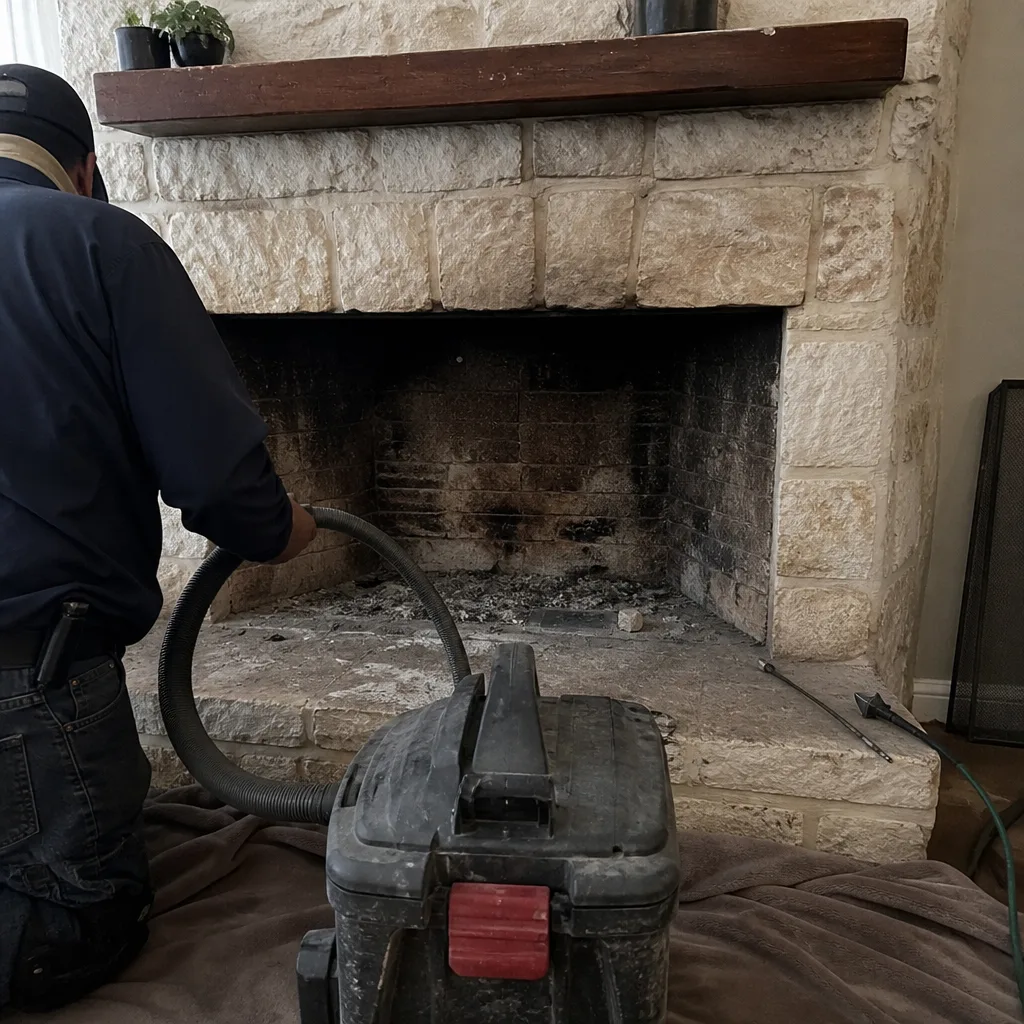 Before
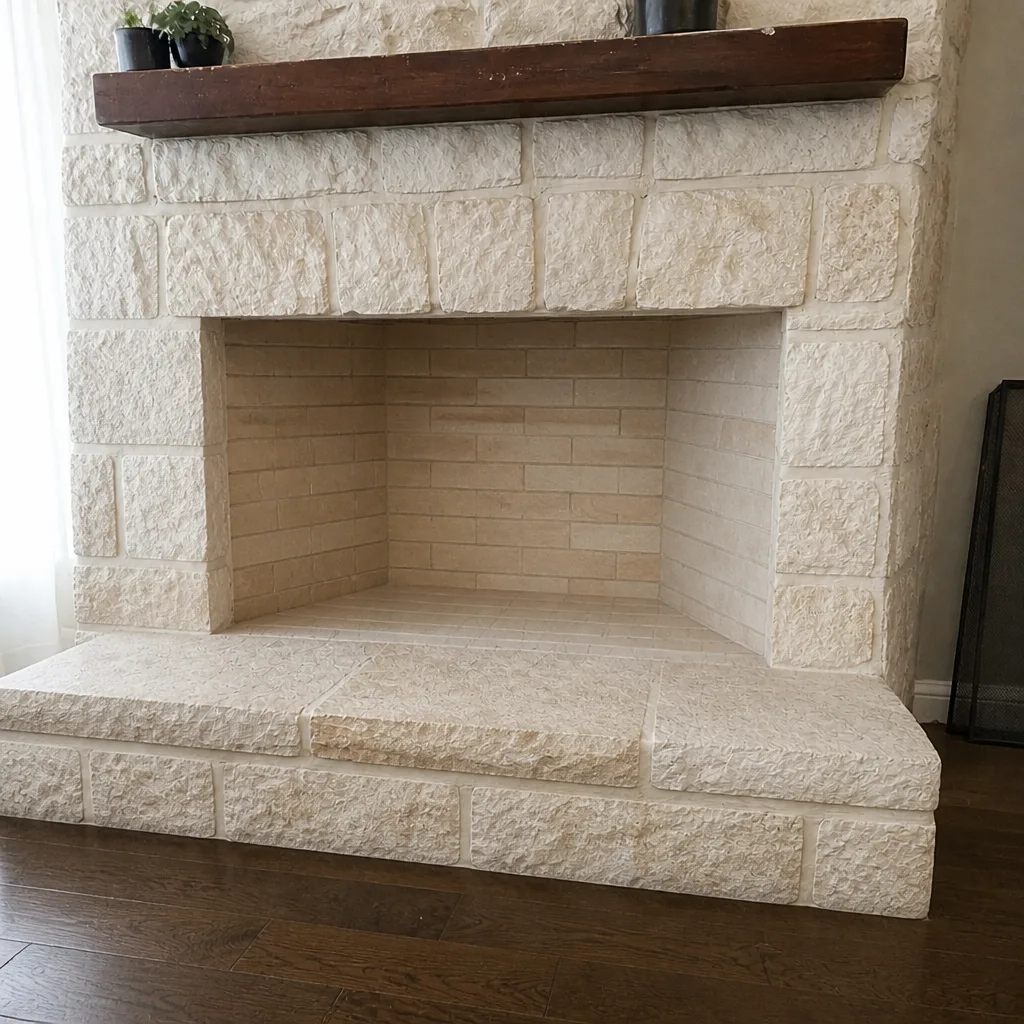 After
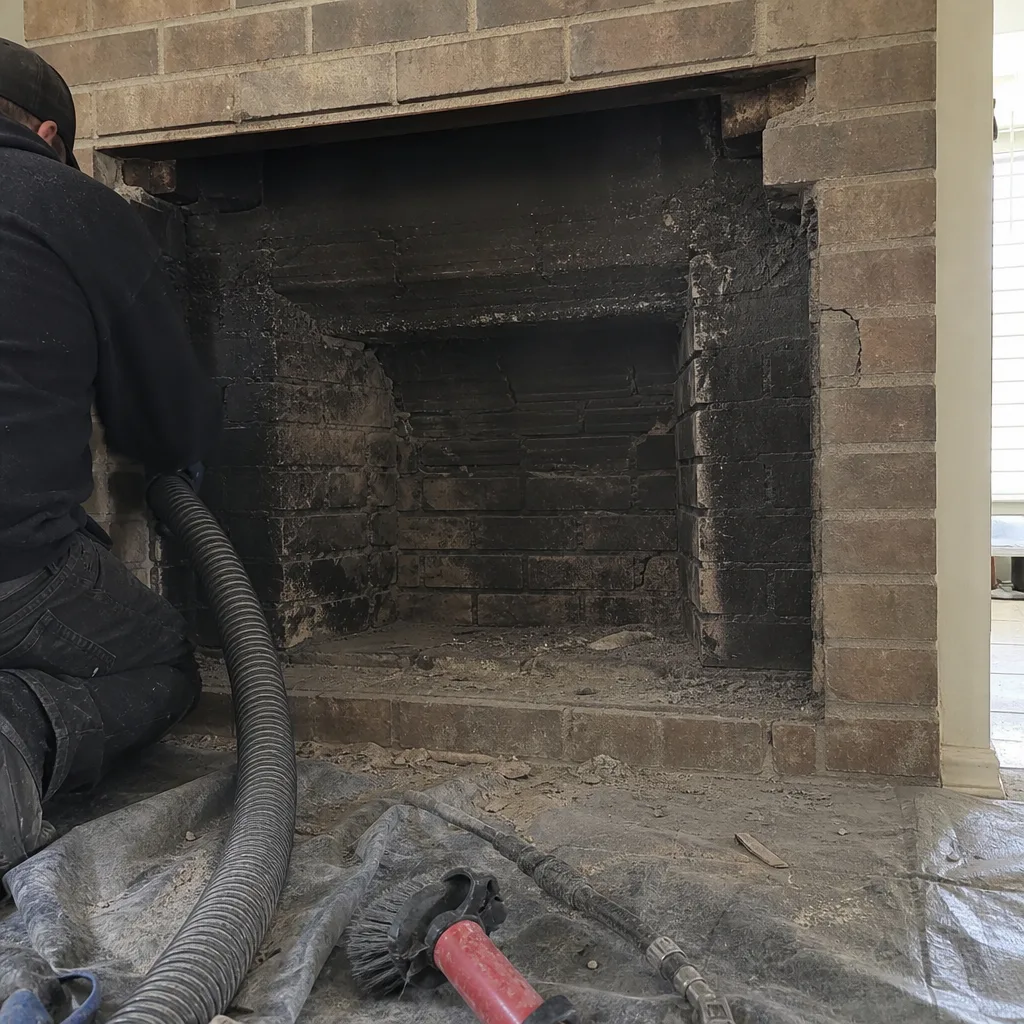 Before
 After
 Before
 After